
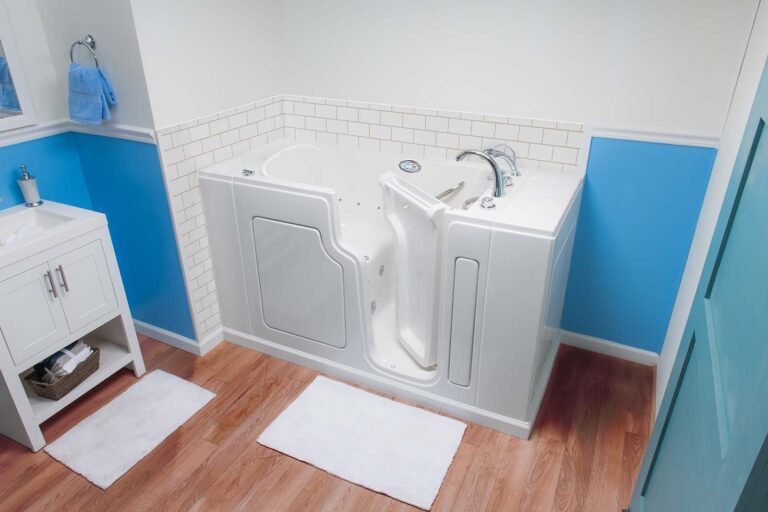
Walk-in tubs offer safety and comfort, especially for those with mobility challenges. However, when the power goes out, draining these tubs can become a challenge since many models rely on electric pumps for quick drainage. Understanding how to drain a walk-in tub manually is essential for anyone who wants to avoid standing water, potential spills, or prolonged inconvenience during outages. This guide explains practical steps, tools you’ll need, and tips to ensure your bathroom remains safe and functional even when electricity is unavailable.
Before diving into the step-by-step process, it’s helpful to know how your tub’s drainage system works and what manual options are available. If you’re interested in learning more about the construction and durability of these tubs, you might find the insights in walk-in tub frame construction types useful for understanding your model’s specific features.
Understanding Manual Drainage for Walk-In Tubs
Most modern walk-in tubs are equipped with electric pumps or fast-drain systems to remove water quickly. When the power fails, these features become unavailable, leaving you with only gravity or manual methods to empty the tub. Knowing how to drain a walk-in tub manually ensures you’re prepared for emergencies and can maintain a safe environment in your bathroom.
Manual drainage typically involves using the tub’s built-in gravity drain, but in some cases, you may need to use additional tools like buckets, wet/dry vacuums, or siphon hoses. The process may take longer than with powered systems, but with the right approach, you can still empty the tub efficiently.
Essential Tools and Preparation
Before starting the manual draining process, gather the following items:
- Bucket or large container – for scooping and carrying water.
- Wet/dry vacuum (battery-powered, if available) – to remove remaining water.
- Siphon hose – for gravity-assisted drainage.
- Towels or absorbent cloths – to clean up spills and drips.
- Gloves – for hygiene and safety.
Ensure the area around your tub is clear to prevent slips or falls. Place towels on the floor to catch any accidental spills. If your tub has a secondary or emergency drain, locate it before you begin.
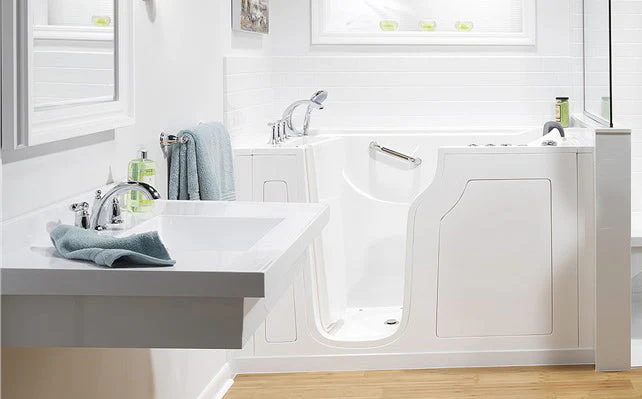
Step-by-Step Guide to Draining Without Power
1. Open the Gravity Drain
Most walk-in tubs are equipped with a gravity drain, which operates without electricity. Locate the drain lever or knob, usually at the base of the tub. Turn or lift it to open the drain. Water will begin to flow out slowly, relying on gravity. This process can take several minutes to over an hour, depending on your tub’s size and the efficiency of the plumbing.
2. Use a Bucket to Speed Up the Process
If you need to empty the tub more quickly, use a bucket or large container to scoop water out manually. Pour the water into a nearby sink, toilet, or shower drain. Repeat until the water level is low enough for the gravity drain to handle the rest. This method is especially helpful if the drain is slow or partially blocked.
3. Employ a Siphon Hose for Additional Assistance
A siphon hose can help move water out of the tub using gravity. Place one end of the hose in the tub and the other in a lower drain or bucket. Suck on the hose briefly (or use a siphon pump) to start the flow, then let gravity do the work. This technique is effective for removing water from the bottom of the tub, especially if the main drain is not working optimally.
4. Remove Remaining Water with a Wet/Dry Vacuum
For the last inch or so of water, a battery-powered wet/dry vacuum can be very effective. Use the vacuum to suck up any remaining puddles, being careful not to overfill the vacuum’s tank. If you don’t have a vacuum, use towels or sponges to soak up the last bit of moisture.
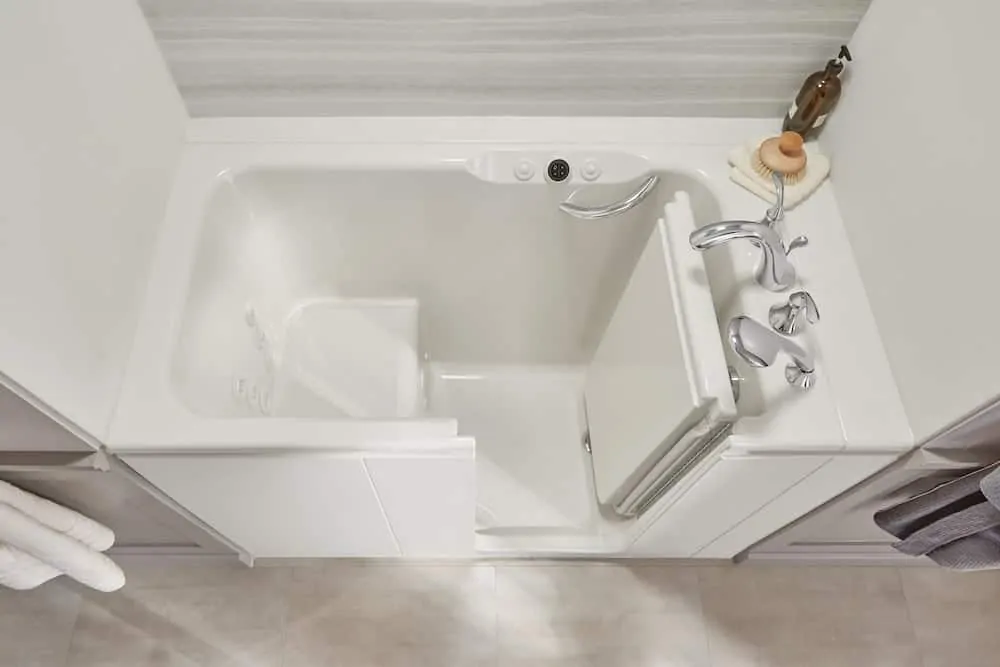
Tips for Safe and Efficient Manual Draining
- Plan ahead: Keep buckets, towels, and a siphon hose accessible in your bathroom for emergencies.
- Check your tub’s manual: Some models have unique drainage features or emergency release mechanisms.
- Clean the drain regularly: Prevent clogs by removing hair and debris from the drain area.
- Stay safe: Wet floors can be slippery. Place non-slip mats or towels around the tub before starting.
- Monitor water temperature: If you’re draining hot water, allow it to cool before handling to avoid burns.
Common Issues and Troubleshooting
Manual draining can sometimes be slowed by blockages or faulty drain mechanisms. If you notice water draining extremely slowly or not at all, check for visible obstructions in the drain. Use a plunger or a drain snake if necessary. If the door seal leaks during draining, refer to a walk-in tub door troubleshooting guide for step-by-step solutions.
If your tub consistently drains poorly, it may be worth consulting a plumber or considering a model with a more reliable manual drain system. Regular maintenance and prompt attention to minor issues can prevent bigger problems during emergencies.
Maintaining Your Walk-In Tub for Emergencies
Preparation is key to handling power outages smoothly. Here are some maintenance tips:
- Test the manual drain regularly to ensure it works without power.
- Keep a backup siphon hose and bucket in the bathroom.
- Inspect the drain and door seals for wear and tear.
- Consider upgrading to a tub with a dual-drain system for added reliability.
For those interested in bathroom safety beyond the tub, learning about walk-in shower grab bar weight ratings can help ensure your entire bathing area remains secure and accessible.
Additional Resources for Bathing Safety
Staying informed about bathroom safety and accessibility options can make a significant difference, especially for seniors or those with limited mobility. For more on accessible bathing solutions, check out this comprehensive guide to walk-in showers for ideas on improving your bathroom’s functionality and safety.
Humidity and ventilation are also important considerations when using walk-in tubs. If you want to learn how these tubs affect your bathroom environment, the article on the impact of walk-in tubs on bathroom humidity offers useful insights.
Frequently Asked Questions
Can all walk-in tubs be drained manually during a power outage?
Most walk-in tubs have a gravity drain that allows for manual drainage, but the speed and ease of the process can vary by model. Check your tub’s manual for specific instructions and emergency features.
What should I do if the manual drain is clogged?
If water is not draining, inspect the drain for visible blockages. Use a plunger, drain snake, or remove debris by hand. Regular cleaning helps prevent clogs and ensures efficient drainage during emergencies.
Is it safe to use a wet/dry vacuum in the bathroom during a power outage?
Only use a battery-powered wet/dry vacuum if you have one available. Never use corded electrical devices in wet environments during a power outage, as this can be dangerous. Always prioritize safety and use towels or sponges if a vacuum isn’t an option.
How can I prevent water damage when draining manually?
Place towels or absorbent mats around the tub to catch spills. Drain water slowly and carefully, and avoid overfilling buckets or containers. Regular maintenance of the tub and drain will also help minimize risks.