
As people age, maintaining a safe and comfortable home becomes increasingly important. However, the costs and logistics of home repairs can be overwhelming for older adults, especially those on fixed incomes. Fortunately, a variety of senior housing repair assistance programs exist to help older homeowners address critical repairs, accessibility upgrades, and safety modifications. This guide explores the main types of support available, eligibility requirements, and how to get started.
For those interested in making outdoor areas safer, resources like lighting for water hazards can further enhance home safety and accessibility.

Understanding Home Repair Support for Seniors
Many older adults face challenges with home upkeep due to limited mobility, health concerns, or financial constraints. Senior housing repair assistance programs are designed to address these challenges by offering grants, low-interest loans, or volunteer-based services that help with repairs and modifications. These programs can cover a range of needs, from fixing leaky roofs and faulty wiring to installing ramps, grab bars, and other accessibility features.
Types of Senior Home Repair Programs
There are several categories of assistance available to older homeowners. Understanding the differences can help you identify the best fit for your situation.
Federal and State Government Initiatives
The U.S. Department of Agriculture (USDA) and the Department of Housing and Urban Development (HUD) offer some of the most widely used support programs. For example, the USDA’s Section 504 Home Repair program provides grants to very low-income homeowners aged 62 or older for essential repairs and safety improvements. HUD’s Community Development Block Grant (CDBG) program allocates funds to local governments, which may use them for senior home repairs.
Local and Community-Based Resources
Many cities and counties run their own repair initiatives, often funded by federal or state grants. These programs may offer direct repairs, financial assistance, or referrals to trusted contractors. Nonprofit organizations such as Rebuilding Together and Habitat for Humanity also provide volunteer-driven repairs and modifications for older adults in need.
Nonprofit and Volunteer Organizations
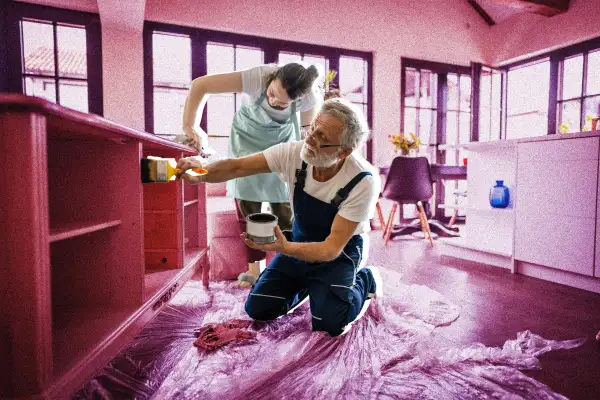
Nonprofits play a crucial role in filling gaps left by government programs. Organizations like Rebuilding Together mobilize volunteers to provide free repairs and safety modifications for seniors. These services often focus on urgent needs such as fall prevention, weatherization, and essential maintenance.
Eligibility Criteria for Housing Repair Aid
Each program sets its own requirements, but there are common factors that determine eligibility for senior housing repair assistance:
- Age: Most programs require homeowners to be at least 60 or 62 years old.
- Income: Many initiatives target low- or moderate-income households. Proof of income may be required.
- Homeownership: Applicants must typically own and occupy the home as their primary residence.
- Type of Repairs: Assistance is often limited to health, safety, or accessibility-related work.
- Location: Some programs are only available in certain cities, counties, or rural areas.
It’s important to review the specific guidelines of each program before applying. Some may have waiting lists or limited funding cycles.
How to Apply for Senior Home Repair Support
The application process varies by program, but these steps are typical:
- Identify programs available in your area through local government offices, Area Agencies on Aging, or nonprofit organizations.
- Gather required documentation, such as proof of age, income, and homeownership.
- Submit an application, either online, by mail, or in person.
- Schedule an assessment or inspection if required. Some programs send a representative to evaluate repair needs.
- Wait for approval and coordinate repair work with the program or assigned contractor.
For a comprehensive overview of available resources, this guide to government and community programs for senior home repairs provides helpful details.
Common Repairs and Modifications Covered
Assistance programs for older adults typically focus on repairs that improve safety, accessibility, and comfort. Common services include:
- Roof and structural repairs
- Electrical and plumbing fixes
- Heating and cooling system upgrades
- Installation of ramps, handrails, and grab bars
- Bathroom and kitchen modifications for accessibility
- Weatherization and energy efficiency improvements
- Flooring repairs to prevent falls
Tips for Maximizing Home Safety and Comfort
In addition to seeking out senior housing repair assistance, consider these strategies to further enhance home safety:
- Install adequate lighting in hallways, bathrooms, and outdoor areas. For outdoor safety, explore solutions such as lighting for backyard navigation and lighting for garden safety.
- Remove tripping hazards like loose rugs and clutter.
- Use non-slip mats in bathrooms and kitchens.
- Test smoke and carbon monoxide detectors regularly.
- Keep emergency contact numbers easily accessible.
- Consider medical alert systems for added peace of mind.
Frequently Asked Questions
What types of repairs are typically covered by senior home repair programs?
Most programs focus on essential repairs that address health, safety, and accessibility. This includes fixing roofs, electrical and plumbing systems, installing ramps and grab bars, and making bathrooms or kitchens more accessible for those with mobility challenges.
How do I find out which assistance programs are available in my area?
Start by contacting your local Area Agency on Aging, city or county housing office, or nonprofit organizations like Rebuilding Together. Many communities also post information about available resources on their official websites.
Do I have to pay back the assistance I receive?
It depends on the program. Some offer grants that do not need to be repaid, while others provide low-interest loans or deferred payment options. Always review the terms before accepting aid.
Can renters apply for these programs?
Most senior housing repair assistance programs are designed for homeowners. However, some local initiatives may offer limited support for renters, especially for accessibility modifications. Check with local agencies for details.
Conclusion
Navigating the world of home repair support can feel daunting, but there are many resources available to help older adults stay safe and comfortable in their homes. By understanding the types of programs, eligibility criteria, and application steps, seniors and their families can access the support they need. For additional safety improvements, consider exploring lighting for pathways and driveways and lighting for rainy conditions to further reduce risks around the home.