

For individuals living with arthritis or limited hand strength, everyday tasks like bathing can become challenging. One area where thoughtful design can make a significant difference is in walk-in tub ergonomic door handles. These specialized handles are engineered to provide comfort, safety, and independence, especially for those who struggle with joint pain or mobility issues. This article explores how these handles improve accessibility, what features to look for, and why they matter for anyone seeking a safer and more comfortable bathing experience.
Understanding the importance of accessible bathing solutions is crucial, particularly as we age or face health challenges. Walk-in tubs are already a popular choice for seniors and those with disabilities, but the details—like the design of the door handle—can greatly impact usability. If you’re considering a walk-in tub or upgrading your current bathroom, learning about ergonomic handle options can help you make an informed decision that supports your health and lifestyle.
For those interested in optimizing their bathing experience further, you may also want to explore walk-in tub foot massage jet benefits to support circulation and comfort.
Why Ergonomic Handles Matter for Arthritis Sufferers
Arthritis can make gripping, twisting, or pulling standard door handles painful and sometimes impossible. Walk-in tub ergonomic door handles are specifically designed to minimize strain on the hands and wrists. Their shapes, materials, and mechanisms are chosen to allow users to operate the tub door with minimal effort.
- Reduced Grip Strength Required: Lever-style or contoured handles are easier to use than traditional round knobs.
- Less Twisting and Turning: Many ergonomic handles use push, pull, or simple lever actions, which are gentler on inflamed joints.
- Accessible for All Users: These handles benefit not only those with arthritis but also anyone with limited dexterity or temporary injuries.
By addressing these common challenges, ergonomic handles help users maintain their independence and reduce the risk of slips or falls when entering or exiting the tub.
Key Features of User-Friendly Walk-In Tub Handles
Not all handles are created equal. When evaluating walk-in tub ergonomic door handles, consider the following features to ensure the best experience:
- Lever or Paddle Design: These shapes are easier to press or pull, requiring less force and wrist movement.
- Textured or Non-Slip Grip: Handles with a rubberized or textured surface are less likely to slip from wet hands.
- Large Surface Area: Wider handles distribute pressure more evenly and are easier to grasp.
- Easy Latching Mechanism: Magnetic or single-motion latches reduce the need for complex hand movements.
- Sturdy Construction: Durable materials like stainless steel or reinforced plastic ensure longevity and reliability.
Choosing a handle with these attributes can make a significant difference in daily comfort and safety.
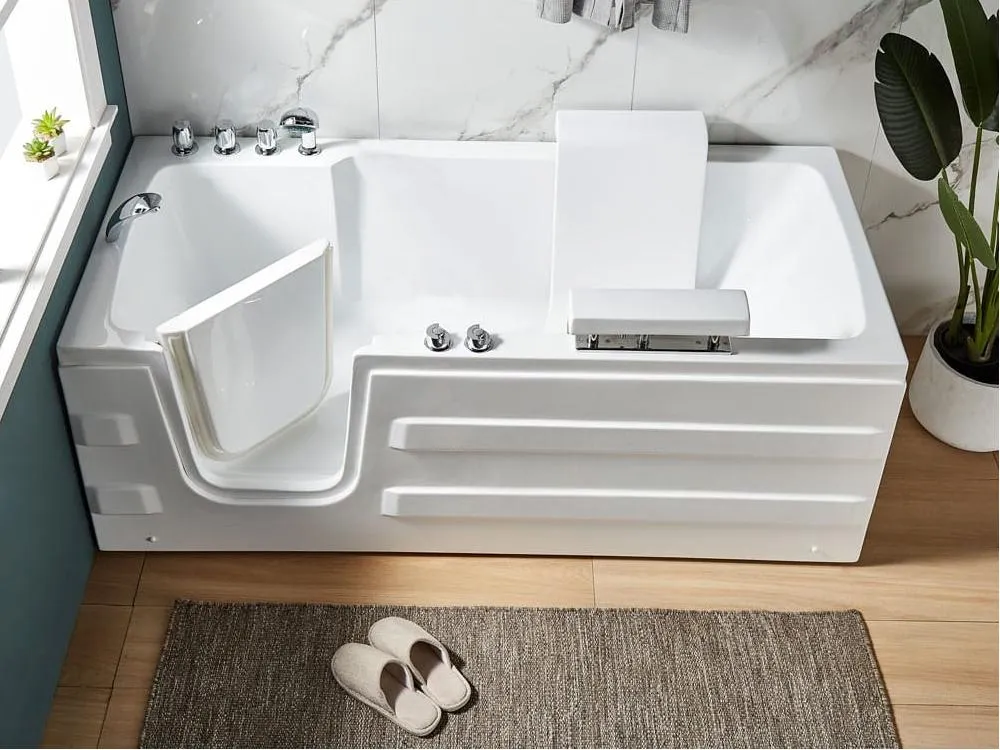
Comparing Handle Types: What Works Best?
There are several types of handles available for walk-in tubs, each with its advantages. Understanding the differences can help you select the best option for your needs:
| Handle Type | Ease of Use | Best For |
|---|---|---|
| Lever Handle | Very easy; requires minimal grip | Arthritis, limited hand strength |
| Paddle Handle | Easy to push/pull | Dexterity issues |
| Push-Button | Simple, single motion | Severe joint pain |
| Traditional Knob | Requires twisting | Users without hand pain |
For most people with arthritis, lever or paddle handles are the most comfortable and accessible choices.
Installation and Maintenance Tips
Installing a walk-in tub with an ergonomic handle is typically straightforward, but there are a few things to keep in mind:
- Professional Installation: To ensure the door seals properly and the handle operates smoothly, consider hiring a professional installer.
- Regular Cleaning: Wipe down handles after each use to prevent soap buildup and maintain grip quality.
- Inspect for Wear: Check periodically for signs of loosening or damage, and tighten or replace handles as needed.
Proper care will extend the life of your handle and ensure it continues to function as intended.
Additional Safety and Comfort Features
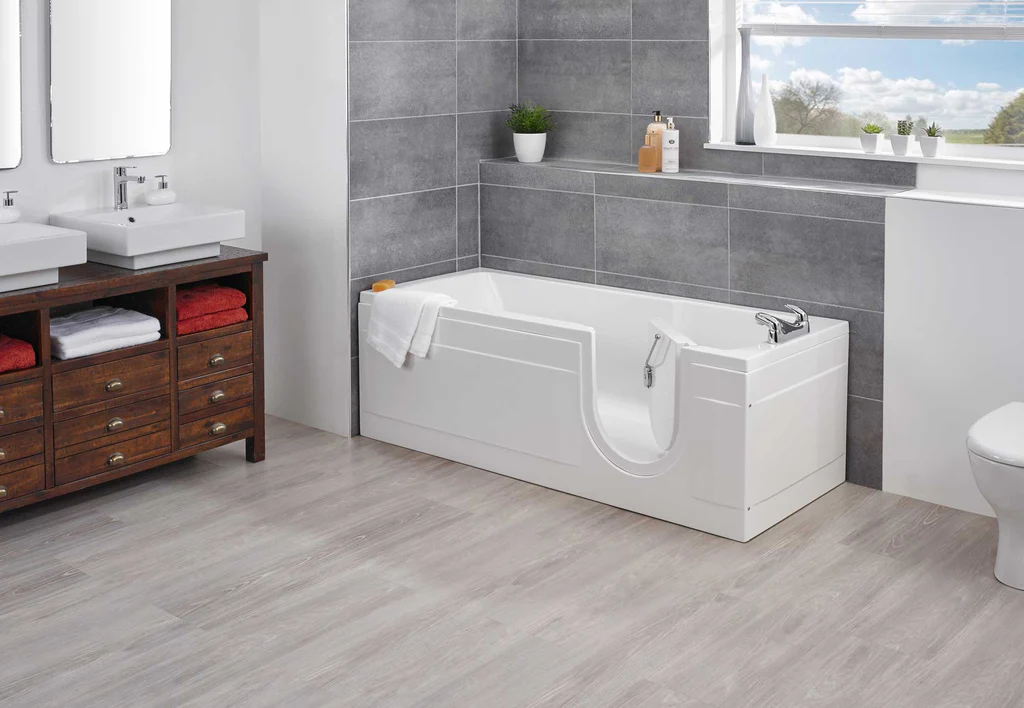
While ergonomic handles are a key component, other walk-in tub features can further enhance safety and comfort for those with arthritis:
- Low Step-In Threshold: Reduces the risk of tripping when entering or exiting the tub.
- Built-In Seating: Provides stability and comfort during bathing.
- Non-Slip Flooring: Helps prevent slips, especially when hands are wet or mobility is limited.
- Hydrotherapy Jets: Can soothe sore joints and muscles, improving overall bathing comfort. For more details, see our article on walk-in tub foot massage jet benefits.
- Easy-to-Reach Controls: Ensures all tub features are accessible without straining.
Combining these elements with a well-designed handle creates a safer, more enjoyable bathing environment.
How to Choose the Right Walk-In Tub for Your Needs
When selecting a walk-in tub, it’s important to consider not just the handle, but the overall design and features. Here are a few tips to help guide your decision:
- Test the handle in person if possible to ensure it feels comfortable and easy to operate.
- Look for tubs with positive reviews from users with similar mobility challenges.
- Consult with occupational therapists or aging-in-place specialists for personalized recommendations.
- Consider future needs—choose a tub that will continue to meet your requirements as your mobility changes.
For additional guidance on related safety features, you might find our resource on walk-in tub suction safety features helpful.
Expert Advice and Resources
Beyond ergonomic handles, there are many ways to make bathrooms safer and more accessible. For example, exploring the benefits of walk-in showers for elderly users can provide additional insights into accessible design. Combining multiple accessibility features can help create a bathroom environment that supports independence and peace of mind.
Regularly reviewing your home for potential hazards and updating fixtures as needed will help ensure ongoing safety and comfort.
Frequently Asked Questions
Are ergonomic handles standard on all walk-in tubs?
No, not every walk-in tub comes with an ergonomic handle by default. It’s important to check product specifications or consult with the manufacturer to confirm the handle type before purchasing.
Can I retrofit my existing walk-in tub with an ergonomic handle?
In many cases, yes. Some manufacturers offer replacement handles designed for easy installation on existing tubs. However, compatibility depends on the tub model and door design, so consult with a professional or the tub manufacturer for advice.
How do I maintain the handle to ensure long-term usability?
Regularly clean the handle with mild soap and water, check for signs of wear or loosening, and tighten any screws as needed. Avoid using harsh chemicals that could degrade the handle material or reduce grip quality.
What other features should I consider for arthritis-friendly bathing?
Look for tubs with low thresholds, built-in seating, non-slip surfaces, and easy-to-reach controls. Hydrotherapy features can also provide relief for sore joints and muscles.
Choosing the right walk-in tub and handle can make a significant difference in daily comfort and safety, especially for those managing arthritis or limited mobility. By focusing on ergonomic design and accessible features, you can create a bathroom that supports independence and well-being for years to come.