
For individuals seeking safe and accessible bathing, walk-in tubs offer an essential solution, especially for those with mobility challenges. However, not all models are designed to accommodate every body type. Walk-in tub bariatric weight capacities are a critical consideration for users who require higher weight limits and reinforced safety features. Understanding the range of options and how to select the right heavy-duty tub can make a significant difference in both comfort and long-term usability.
This article explores the key factors influencing bariatric walk-in tub selection, including weight ratings, construction standards, and important safety features. We’ll also provide guidance on installation, maintenance, and how to compare leading models. For those interested in related safety and comfort features, you may also want to review how to troubleshoot walk-in tub jet noise for a quieter bathing experience.

Understanding Bariatric Walk-In Tub Weight Ratings
When evaluating walk-in tub bariatric weight capacities, it’s essential to know how these ratings are determined. Manufacturers test their products to ensure they can safely support users above the standard weight range. While traditional walk-in tubs typically support between 250 and 300 pounds, bariatric models are engineered for much higher limits, often ranging from 400 to 600 pounds or more.
Key factors influencing these ratings include:
- Reinforced frames made from steel or heavy-duty aluminum
- Thicker, high-quality acrylic or fiberglass shells
- Wider, deeper seating to distribute weight evenly
- Upgraded door seals and locking mechanisms
Always check the manufacturer’s published specifications for the maximum supported weight. Exceeding these limits can compromise safety and void warranties.
Why Bariatric Weight Capacity Matters
The importance of choosing a tub with an appropriate weight rating cannot be overstated. For users above average weight, a reinforced walk-in tub provides:
- Enhanced safety during entry, exit, and bathing
- Long-term durability, reducing the risk of cracks or structural failure
- Peace of mind for caregivers and family members
Inadequate weight support can lead to dangerous situations, including door leaks, frame warping, or even tub collapse. Investing in a model specifically designed for higher weight capacities ensures a safer and more comfortable bathing experience.

Key Features of Heavy-Duty Walk-In Tubs
Not all walk-in tubs marketed as “bariatric” offer the same level of support or comfort. When comparing models, look for these essential features:
- Extra-wide doors and seats for easier access and stability
- Slip-resistant flooring and grab bars for added security
- Fast-drain technology to minimize time spent in the tub
- High-capacity water heaters to fill larger tubs efficiently
- Optional hydrotherapy or air jets for therapeutic benefits
Some users also benefit from additional features like heated seating, adjustable shower wands, and easy-to-reach controls. For those interested in maximizing comfort and circulation, see the walk-in tub foot massage jet benefits for more details on therapeutic options.
Comparing Bariatric Tub Models and Brands
When shopping for a heavy-duty walk-in tub, it’s helpful to compare several leading brands and models. Here’s a quick overview of what to look for:
| Brand/Model | Weight Capacity | Seat Width | Notable Features |
|---|---|---|---|
| Ella’s Bubbles Bariatric | 600 lbs | 30” | Dual drain, hydrotherapy, wide door |
| American Standard Gelcoat | 500 lbs | 26” | Quick drain, textured floor, grab bars |
| Hydro Dimensions HD Series | 450 lbs | 28” | Air jets, ADA-compliant seat |
Always verify the specifications with the manufacturer or dealer before purchasing, as features and ratings may change over time.
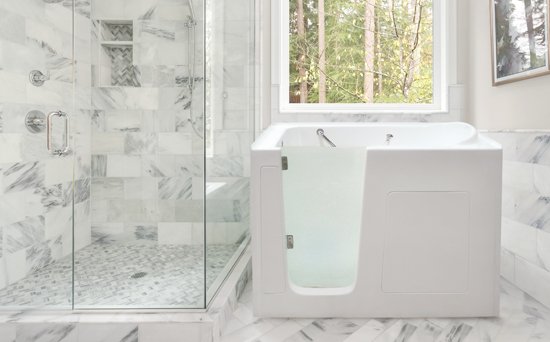
Installation and Structural Considerations
Installing a bariatric walk-in tub requires careful planning. These tubs are often larger and heavier than standard models, both when empty and filled with water. Before installation, consider:
- Bathroom door and hallway widths for moving the tub into place
- Floor reinforcement to support the combined weight of the tub, water, and user
- Plumbing upgrades for faster fill and drain times
- Electrical requirements for features like heated seats or hydrotherapy jets
Professional installation is strongly recommended to ensure safety and compliance with local building codes. For additional safety tips, review guidance on how to check walk-in tub electrical grounding for peace of mind.
Maintenance and Longevity of Heavy-Duty Tubs
Proper care extends the life of any walk-in tub, but it’s especially important for bariatric models due to the increased demands on materials and hardware. To keep your tub in optimal condition:
- Clean the tub regularly with non-abrasive products
- Inspect door seals and locking mechanisms for wear
- Check for any signs of stress or cracking in the frame or shell
- Schedule periodic professional inspections, especially for hydrotherapy systems
Routine maintenance not only preserves the tub’s appearance but also ensures continued safety and performance. For tips on keeping adjacent walk-in showers clean, see the benefits of microfiber towels for walk-in showers.
Additional Safety and Aging-in-Place Resources
For those planning to remain in their homes as they age, accessible bathroom solutions are just one part of a larger strategy. Walk-in tubs with higher weight ratings can be paired with other safety upgrades, such as grab bars, non-slip flooring, and accessible showers. To learn more about making bathrooms safer and more accessible, explore this guide to aging in place and walk-in showers for practical advice and inspiration.
Frequently Asked Questions
What is the typical weight capacity for a bariatric walk-in tub?
Bariatric walk-in tubs generally support between 400 and 600 pounds, depending on the model and manufacturer. Always check the specific rating before purchase to ensure it meets your needs.
Can a standard bathroom floor support a heavy-duty walk-in tub?
Many bariatric tubs require reinforced flooring due to their increased weight, especially when filled with water and occupied. Consult with a professional installer or contractor to assess your bathroom’s structural integrity before installation.
Are there additional safety features in bariatric walk-in tubs?
Yes, heavy-duty walk-in tubs often include extra-wide doors, slip-resistant surfaces, multiple grab bars, and reinforced frames. Some also offer advanced features like hydrotherapy jets and heated seating for added comfort and safety.
Conclusion
Choosing a walk-in tub with the right bariatric weight capacity is essential for safety, comfort, and long-term satisfaction. By understanding the differences in construction, features, and installation requirements, you can make an informed decision that supports your needs now and in the future. For those seeking additional guidance on walk-in tub safety, you may also want to explore walk-in tub suction safety features to prevent entrapment and ensure peace of mind.