
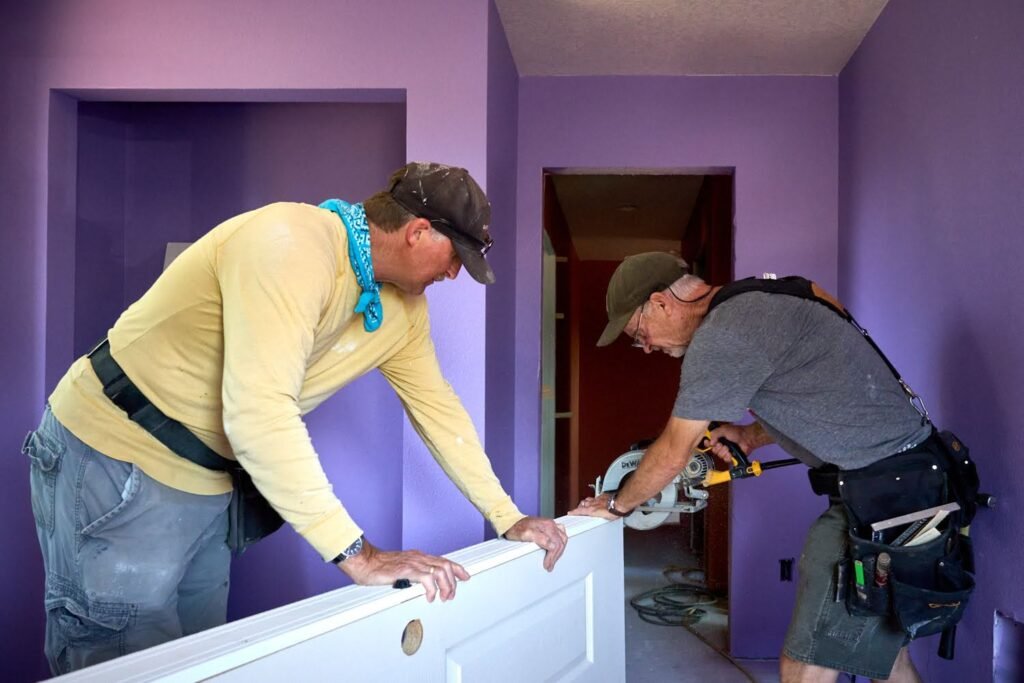
Creating a home that supports mobility and independence is essential for individuals who use wheelchairs. Thoughtful wheelchair accessible home modifications can make daily living safer, more comfortable, and more inclusive. Whether you’re planning for yourself, a loved one, or a client, understanding the key features and best practices for accessible design is crucial. This article covers practical solutions, essential upgrades, and resources to help you transform any living space into a truly accessible environment.
For those interested in optimizing bathroom safety and comfort, you may also find value in our guide on how to troubleshoot walk-in tub jet noise, which addresses common concerns for accessible bathing solutions.
Why Home Accessibility Matters
Mobility challenges can make everyday tasks difficult and sometimes dangerous. By making targeted changes to the home, you can reduce barriers, prevent injuries, and enhance quality of life. Wheelchair accessible home modifications are not just about compliance—they’re about dignity, autonomy, and peace of mind for everyone in the household.
Key Areas for Wheelchair Accessibility Upgrades
When planning modifications, focus on the most commonly used spaces and pathways. Here are the primary areas to address:
- Entrances and Exits: Ensure there is at least one step-free entry. Ramps, widened doorways, and lever-style handles are essential for smooth access.
- Hallways and Doorways: Doorways should be at least 32 inches wide to accommodate most wheelchairs. Removing thresholds or using low-profile transitions helps prevent tripping and makes movement easier.
- Bathrooms: Installing roll-in showers, grab bars, and accessible sinks can greatly improve safety and usability. For more on accessible bathing, see our article on walk-in tub foot massage jet benefits.
- Kitchens: Lowered countertops, pull-out shelves, and accessible appliances make meal preparation more manageable.
- Living Spaces: Open floor plans, furniture placement, and slip-resistant flooring all contribute to a more navigable environment.

Accessible Entryways and Ramps
One of the first barriers wheelchair users face is getting in and out of the home. Installing a sturdy ramp with a gentle slope (ideally 1:12 ratio) ensures safe entry. Handrails on both sides, non-slip surfaces, and proper landings at the top and bottom are critical features. Automatic door openers and smart locks can further enhance accessibility.
Widening doorways is another common modification. This may involve removing trim, installing offset hinges, or, in some cases, reframing the doorway. Lever-style handles are easier to operate than traditional knobs, especially for those with limited hand strength.
Bathroom Modifications for Wheelchair Users
Bathrooms present unique challenges due to limited space and the risk of slips or falls. Consider these upgrades for improved accessibility:
- Roll-in Showers: A curbless shower with a wide entrance allows wheelchair users to enter directly. Non-slip tiles and a handheld showerhead add safety and convenience.
- Grab Bars: Securely installed bars near the toilet and shower provide stability during transfers.
- Accessible Sinks and Vanities: Wall-mounted sinks with open space underneath allow for wheelchair access. Faucets with lever handles or touch controls are easier to use.
- Toilet Height: A comfort-height toilet or raised seat makes transfers easier and reduces strain.
For additional safety, consider anti-scald devices and adequate lighting. To maintain accessible bathroom features, see our tips on benefits of microfiber towels for walk-in showers.

Kitchen Adjustments for Accessibility
The kitchen is the heart of many homes, but it can be difficult to navigate in a wheelchair. Lowering countertops and sinks, installing pull-out shelves, and choosing side-opening ovens or dishwashers can make a big difference. Consider:
- Accessible workspaces at a height of 28–34 inches
- Clear knee space under sinks and counters
- Easy-to-reach storage with pull-down racks or drawers
- Touch or lever controls on appliances
These changes enable greater independence and reduce the risk of accidents.
Living Room and Bedroom Modifications
Open layouts and thoughtful furniture placement are key for maneuverability. Remove unnecessary rugs or obstacles, and use slip-resistant flooring. Adjustable beds, accessible closets, and reachable light switches all contribute to a more functional living space. Smart home devices, such as voice-activated lights or thermostats, can further enhance comfort and control.
Safety Features and Emergency Preparedness
Safety is a top priority in any accessible home. Install smoke and carbon monoxide detectors with visual and audible alerts. Emergency call systems, such as an elderly SOS alert system, provide peace of mind for both residents and caregivers. After each in-post image above, you’ll find a convenient link to purchase a recommended alert system for added security.
For additional bathroom safety, explore our article on walk-in tub suction safety features to prevent entrapment and ensure a safer bathing experience.
Funding and Support for Home Modifications
Many people worry about the cost of making a home accessible. Fortunately, there are government programs, nonprofit organizations, and local agencies that offer financial assistance or grants for accessibility upgrades. For a comprehensive overview of available options, see this guide to government programs for seniors’ home repairs.
It’s also helpful to consult with occupational therapists, accessibility specialists, or contractors experienced in universal design. They can recommend solutions tailored to your needs and help you prioritize modifications for maximum impact.
Maintenance and Ongoing Improvements
Once accessibility features are in place, regular maintenance is essential. Check ramps, grab bars, and safety equipment periodically to ensure they remain secure and functional. Stay informed about new products and technologies that can further enhance accessibility as needs change over time.
For those with walk-in tubs or other specialized equipment, learn how to check walk-in tub electrical grounding to maintain safety and compliance.
Frequently Asked Questions
What are the most important modifications for wheelchair users at home?
The most critical changes include step-free entrances, widened doorways, accessible bathrooms (with roll-in showers and grab bars), and open floor plans. These upgrades address the main barriers to mobility and safety.
How much do home accessibility modifications typically cost?
Costs vary widely depending on the scope and materials. Simple changes like grab bars or lever handles are affordable, while larger projects such as ramps or bathroom remodels can be more expensive. Financial aid and grants are available to help offset these expenses.
Are there professionals who specialize in accessible home design?
Yes, occupational therapists, certified aging-in-place specialists, and contractors with experience in universal design can assess your home and recommend tailored solutions. Their expertise ensures modifications are both effective and compliant with accessibility standards.
Making thoughtful wheelchair accessible home modifications is an investment in independence, safety, and quality of life. By focusing on key areas, leveraging available resources, and keeping up with maintenance, you can create a home that welcomes everyone—now and in the future.