
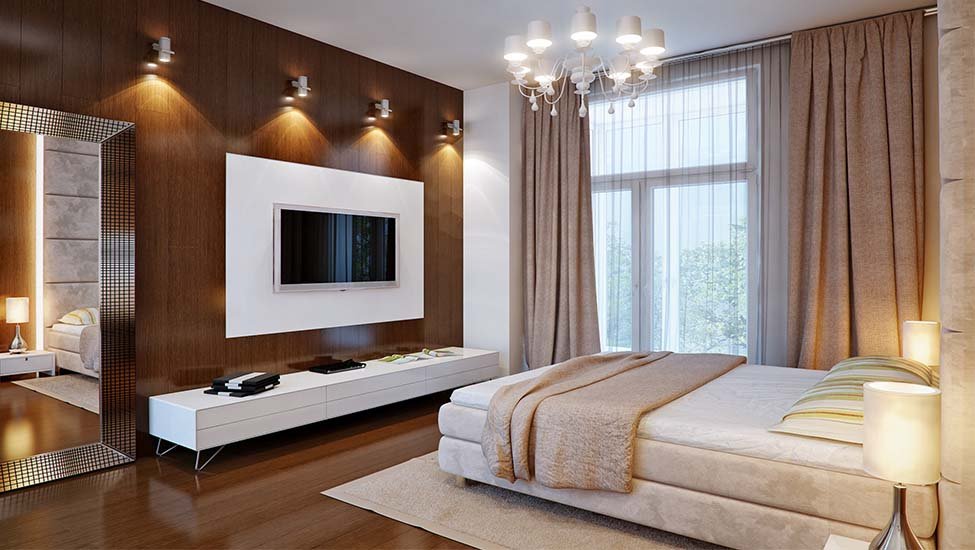
Creating an effective study environment goes beyond choosing the right desk or chair. Lighting for study areas plays a crucial role in supporting concentration, reducing eye strain, and ensuring safety. Whether you’re setting up a home office, a student’s nook, or a quiet reading corner, the right illumination can make a significant difference in productivity and well-being.
Understanding the impact of lighting on focus and safety is essential for anyone looking to optimize their workspace. From selecting the best light sources to arranging fixtures for maximum benefit, this guide covers practical strategies for achieving a well-lit, comfortable, and secure study space.
For those interested in optimizing other areas of the home for safety and comfort, exploring topics like how to check walk-in tub electrical grounding can provide additional insights into maintaining a secure living environment.
Why Proper Illumination Matters in Study Spaces
Good lighting is more than just a matter of aesthetics. In study zones, it directly affects how well you can read, write, and concentrate. Poor lighting can lead to headaches, fatigue, and even long-term vision problems. Additionally, insufficient illumination increases the risk of accidents, especially when navigating around furniture or cords.
By investing in quality lighting for study areas, you not only enhance focus but also create a safer environment for everyone who uses the space.
Types of Lighting for Enhanced Focus
There are several types of lighting that can be used to create an optimal study environment. Each serves a unique function and, when combined, can provide balanced and effective illumination.
- Ambient Lighting: This is the primary source of light in a room, usually provided by ceiling fixtures, recessed lights, or large lamps. It sets the overall brightness level and prevents harsh contrasts.
- Task Lighting: Desk lamps, under-cabinet lights, and adjustable fixtures fall into this category. They provide focused light exactly where it’s needed for reading, writing, or computer work.
- Accent Lighting: Used to highlight specific areas or objects, accent lights can also reduce eye strain by minimizing the difference between the brightness of the task area and the surrounding space.
For a deeper understanding of the various lighting types and their applications, check out this comprehensive overview of home lighting types.
Choosing the Right Bulbs and Fixtures
Not all light sources are created equal. The type of bulb and fixture you choose can impact both the quality of light and energy efficiency. Here are some key considerations:
- LED Bulbs: These are energy-efficient, long-lasting, and available in a range of color temperatures. They’re ideal for study spaces because they provide consistent, flicker-free illumination.
- Color Temperature: For tasks requiring focus, bulbs with a color temperature between 4000K and 5000K (cool white to daylight) are recommended. They mimic natural daylight and help maintain alertness.
- Dimmable Fixtures: Adjustable brightness allows you to tailor the lighting to different activities and times of day, reducing eye strain and improving comfort.
- Glare Control: Choose fixtures with diffusers or shades to minimize glare, which can cause discomfort and distraction.
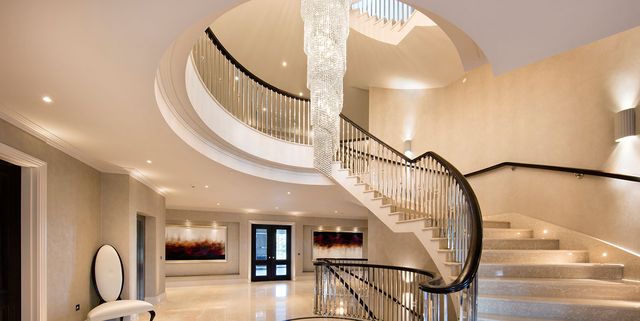
Arranging Lighting for Maximum Effectiveness
Placement of light sources is just as important as the type of light you use. To get the most out of your study area lighting, follow these guidelines:
- Position task lights so they shine directly onto your work surface without casting shadows. For right-handed individuals, place the lamp on the left side, and vice versa.
- Combine ambient and task lighting to avoid sharp contrasts that can strain the eyes.
- Use motion sensor night lights in pathways or near doorways to prevent accidents during nighttime study sessions.
- Ensure cords and fixtures are secured and out of walkways to reduce tripping hazards.
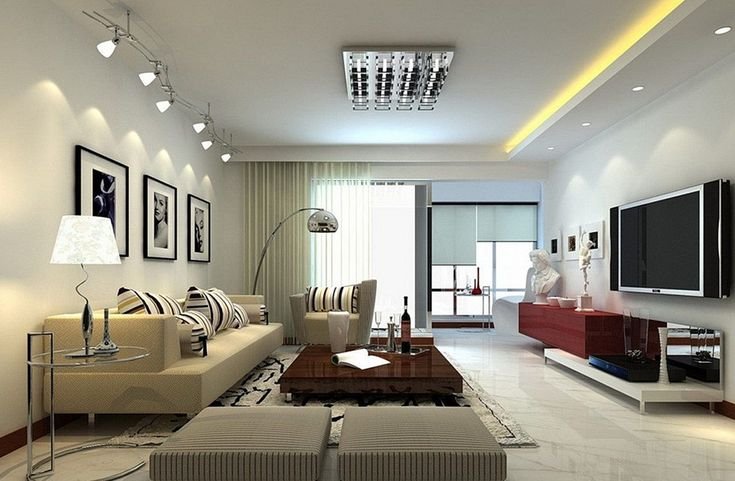
Safety Considerations for Study Area Lighting
Safety should never be overlooked when setting up lighting in any workspace. Here are some essential tips to keep your study area secure:
- Use LED bulbs that remain cool to the touch, reducing the risk of burns or fire hazards.
- Install motion sensor lights in areas where you may walk at night, such as hallways or near stairs.
- Keep all electrical cords organized and away from foot traffic to prevent trips and falls.
- Check that all fixtures are securely mounted and that bulbs are the correct wattage for the fixture.
For additional guidance on maintaining safety in other parts of the home, you may find the article on walk-in tub suction safety features helpful.
Tips for Reducing Eye Strain and Enhancing Comfort
Eye strain is a common complaint in poorly lit study spaces. To minimize discomfort and support long study sessions, consider these strategies:
- Take regular breaks to rest your eyes, following the 20-20-20 rule: every 20 minutes, look at something 20 feet away for at least 20 seconds.
- Adjust the brightness and color temperature of your lights throughout the day to match natural light patterns.
- Use anti-glare screens on monitors and position them to avoid reflections from windows or lamps.
- Supplement overhead lighting with desk lamps that have adjustable arms and shades.
Maintaining a clean and organized workspace also contributes to comfort and efficiency. For example, using microfiber towels can help keep your study area dust-free, as discussed in benefits of microfiber towels for walk-in showers.
Frequently Asked Questions
What is the best type of lighting for studying?
The most effective setup combines ambient lighting with focused task lights. LED bulbs with a cool white or daylight color temperature (4000K–5000K) are ideal for maintaining alertness and reducing eye strain.
How can I make my study area safer at night?
Install motion sensor night lights in walkways and near entrances to prevent trips and falls. Keep cords organized and use LED bulbs to minimize heat and fire risks.
Does natural light improve focus in study areas?
Yes, natural daylight supports alertness and reduces eye fatigue. Position your desk near a window if possible, but supplement with artificial lighting to maintain consistent brightness throughout the day.
Are dimmable lights useful in study spaces?
Dimmable fixtures allow you to adjust brightness based on the time of day and the task at hand, which helps reduce eye strain and creates a more comfortable environment.
Conclusion
Optimizing lighting for study areas is a practical investment in both productivity and safety. By combining the right types of light, choosing quality fixtures and bulbs, and arranging them thoughtfully, you can create a workspace that supports focus and minimizes risks. Remember to consider both comfort and security as you design your study environment, and make adjustments as your needs evolve.