
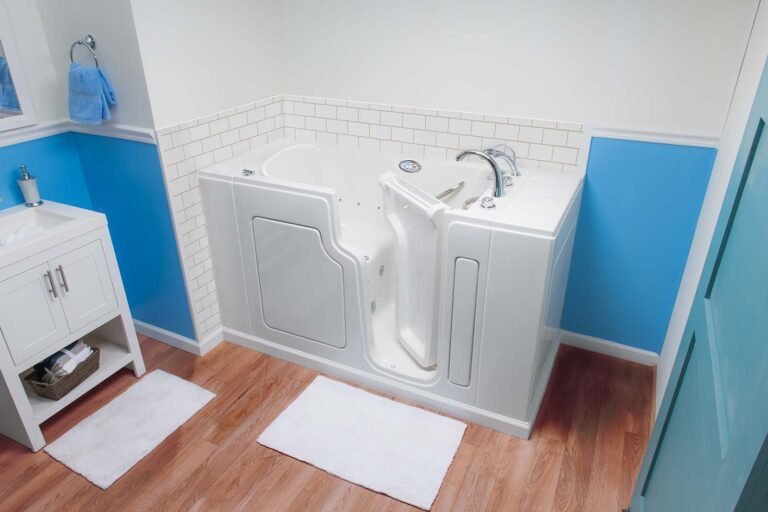
The history of walk-in bathtubs is a story of innovation driven by the need for safer, more accessible bathing solutions. Over the decades, these specialized tubs have transformed from niche products into essential fixtures in homes prioritizing comfort and independence. Today, walk-in tubs are recognized for their role in supporting aging in place and enhancing quality of life for individuals with mobility challenges.
This article explores the development of walk-in bathtubs, tracing their origins, technological advancements, and the impact of accessible design on modern bathrooms. Along the way, you’ll find practical insights, historical context, and resources to help you better understand the evolution of these important fixtures.
For those interested in the technical side of these fixtures, learning about how to check walk-in tub electrical grounding can provide valuable insights into safety standards and installation best practices.
Early Innovations in Accessible Bathing
Before the advent of walk-in bathtubs, traditional bathing options presented significant challenges for people with limited mobility. Standard tubs required users to step over high walls, increasing the risk of slips and falls. In the early 20th century, inventors and healthcare professionals began seeking alternatives that would allow individuals to bathe safely and independently.
The first accessible bathing solutions were often custom adaptations, such as side-entry tubs or modified shower stalls. These early designs laid the groundwork for what would eventually become the modern walk-in bathtub. The history of walk-in bathtubs is closely tied to advances in materials and manufacturing, which made it possible to produce tubs with watertight doors and low thresholds.
Rise of Walk-In Bathtubs in the Late 20th Century
By the 1980s and 1990s, demographic shifts and a growing emphasis on independent living fueled demand for accessible bathroom fixtures. Manufacturers responded by introducing purpose-built walk-in bathtubs featuring:
- Low-entry doors for easy access
- Sealed gaskets to prevent leaks
- Built-in seating for comfort and stability
- Grab bars and slip-resistant surfaces
These innovations made it possible for seniors and people with disabilities to enjoy a safer bathing experience at home. The popularity of walk-in tubs grew alongside the aging population, and they became a common feature in accessible home renovations and new construction projects.
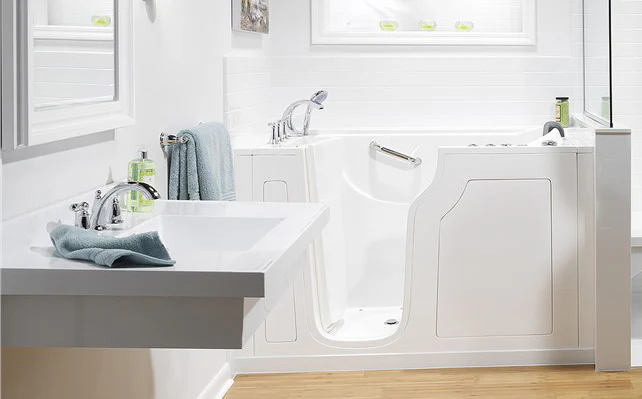
Technological Advancements and Modern Features
As the market for accessible bathing solutions matured, manufacturers began integrating new technologies and features to enhance user comfort and safety. Today’s walk-in bathtubs offer a range of options, including:
- Hydrotherapy and air jets for therapeutic benefits
- Heated seating and backrests
- Quick-drain systems for faster exit
- Handheld shower wands and adjustable water controls
These advancements have made walk-in tubs not only functional but also luxurious. For those interested in maximizing the therapeutic benefits, exploring walk-in tub foot massage jet benefits can provide additional comfort and support for circulation and relaxation.
Modern walk-in tubs are also designed with aesthetics in mind, blending seamlessly into contemporary bathrooms without sacrificing accessibility. This evolution reflects a broader trend toward universal design, which seeks to create environments usable by people of all ages and abilities.
Impact on Independent Living and Safety
The widespread adoption of walk-in bathtubs has had a profound impact on independent living. By reducing the risk of falls and enabling safer self-care, these tubs have empowered countless individuals to remain in their homes longer. Features such as anti-scald valves, textured flooring, and emergency drains further enhance safety and peace of mind.
For those concerned about specific safety mechanisms, learning about walk-in tub suction safety features can help prevent entrapment and ensure a secure bathing experience.
Accessible bathing solutions have also influenced building codes and home design standards, encouraging architects and contractors to prioritize inclusivity from the outset. This shift has made it easier for families to plan for the future and accommodate changing needs over time.
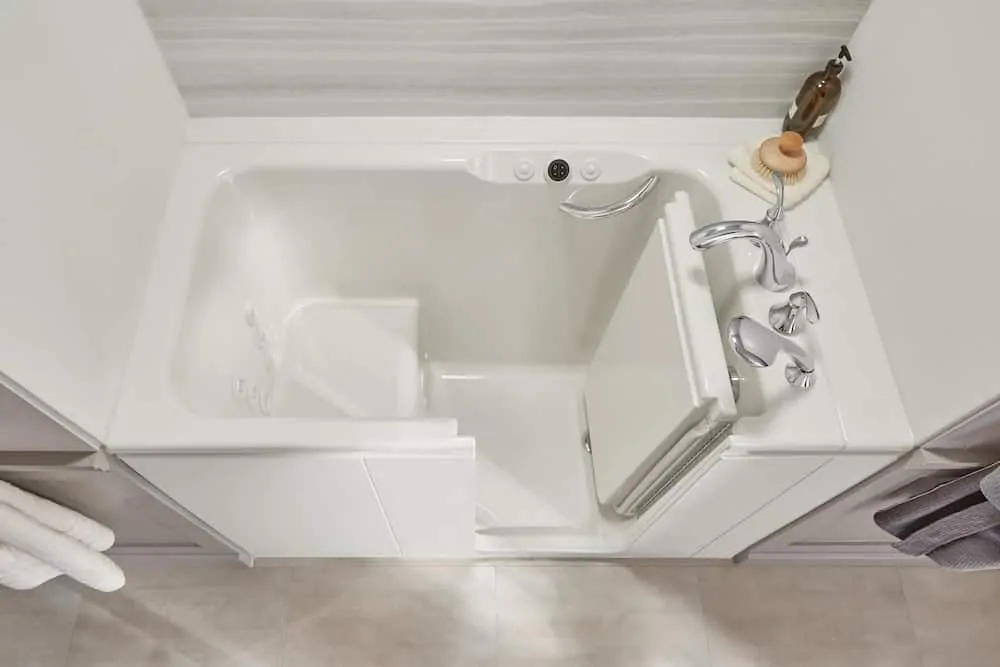
Accessible Design and the Future of Bathing
The evolution of accessible bathing is ongoing. As awareness of universal design principles grows, manufacturers continue to refine walk-in tubs to meet the diverse needs of users. Innovations in materials, water efficiency, and smart technology are shaping the next generation of accessible bathroom fixtures.
For those maintaining walk-in showers, using the right cleaning tools is essential. Discover the benefits of microfiber towels for walk-in showers to keep your bathroom both hygienic and accessible.
Accessible design is not limited to bathtubs. The trend extends to walk-in showers, grab bars, and other features that make everyday routines safer and more comfortable. For more on this topic, see this comprehensive overview of walk-in showers and their role in accessible home design.
Common Questions About Walk-In Bathtubs
What safety features are standard in modern walk-in tubs?
Most walk-in tubs include low-entry doors, built-in seating, grab bars, slip-resistant surfaces, and anti-scald valves. Some models also offer emergency drains and suction safety features to further reduce risks.
How do walk-in tubs support independent living?
By minimizing the need to step over high tub walls and providing stable seating, walk-in tubs allow individuals with mobility challenges to bathe safely and independently, supporting aging in place and reducing reliance on caregivers.
Are there therapeutic benefits to using a walk-in bathtub?
Many walk-in tubs offer hydrotherapy and air jets, which can help with muscle relaxation, pain relief, and improved circulation. Features like heated seating and foot massage jets add to the therapeutic value.
Conclusion
The journey of walk-in bathtubs from early adaptations to modern, feature-rich designs highlights the importance of accessible solutions in home design. By combining safety, comfort, and style, these tubs have become a cornerstone of independent living and universal design. As technology and awareness continue to advance, the future promises even greater accessibility and innovation in the bathroom.