
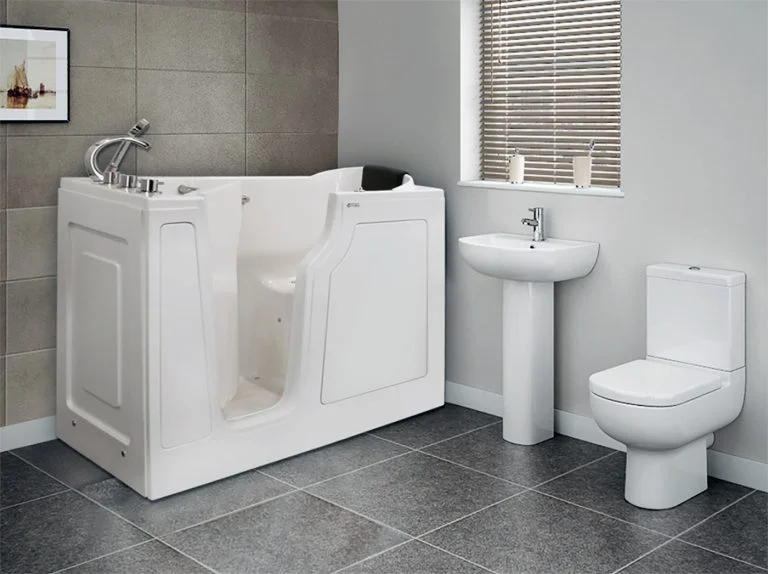
When considering a walk-in tub for your home, understanding its durability and expected lifespan is essential. These specialized bathtubs are a significant investment, especially for those seeking safer and more accessible bathing solutions. Homeowners want to know how long their tub will last, what factors influence its longevity, and how to maximize its value over time.
This article explores the typical service life of walk-in tubs, the materials and construction methods that impact their resilience, and practical tips for extending their usable years. We’ll also touch on maintenance, warranty considerations, and how to identify signs that a replacement may be needed. For those interested in related topics, you may also want to learn about how to troubleshoot walk-in tub jet noise or discover the walk-in tub foot massage jet benefits for circulation.
What Determines the Lifespan of a Walk-In Tub?
The longevity of a walk-in bathtub depends on several key factors. The most important are the materials used in its construction, the quality of installation, how well it is maintained, and the frequency of use. Let’s break down each of these elements:
- Materials: Most walk-in tubs are made from either acrylic or fiberglass. Acrylic tubs are generally more durable, resistant to scratches, and less likely to fade or crack over time. Fiberglass models are lighter and often less expensive, but they may not last as long as their acrylic counterparts.
- Construction: The thickness of the tub walls, the quality of the door seal, and the robustness of the frame all contribute to overall durability. High-quality manufacturing standards ensure better performance and a longer life.
- Installation: Proper installation is crucial. A tub that is not leveled or supported correctly may develop leaks or structural issues that shorten its lifespan.
- Maintenance: Regular cleaning, checking seals, and promptly addressing minor repairs can prevent premature wear and extend the tub’s service life.
- Usage: Tubs used daily by multiple people may experience more wear than those used occasionally. However, with proper care, even heavily used tubs can last many years.
Average Service Life: What to Expect
On average, a well-maintained walk-in bathtub can last between 10 and 20 years. Some premium models, especially those made from high-grade acrylic and installed by professionals, may last even longer. The following table summarizes typical lifespans based on material:
| Material | Expected Lifespan | Notes |
|---|---|---|
| Acrylic | 15–20 years | Highly durable, resists stains and scratches |
| Fiberglass | 10–15 years | Lighter, more affordable, but less robust |
| Gelcoat | 10–12 years | Similar to fiberglass, but with a protective coating |
It’s important to note that the walk-in tub durability and lifespan can be affected by water quality, frequency of use, and how well the tub is cared for over the years.
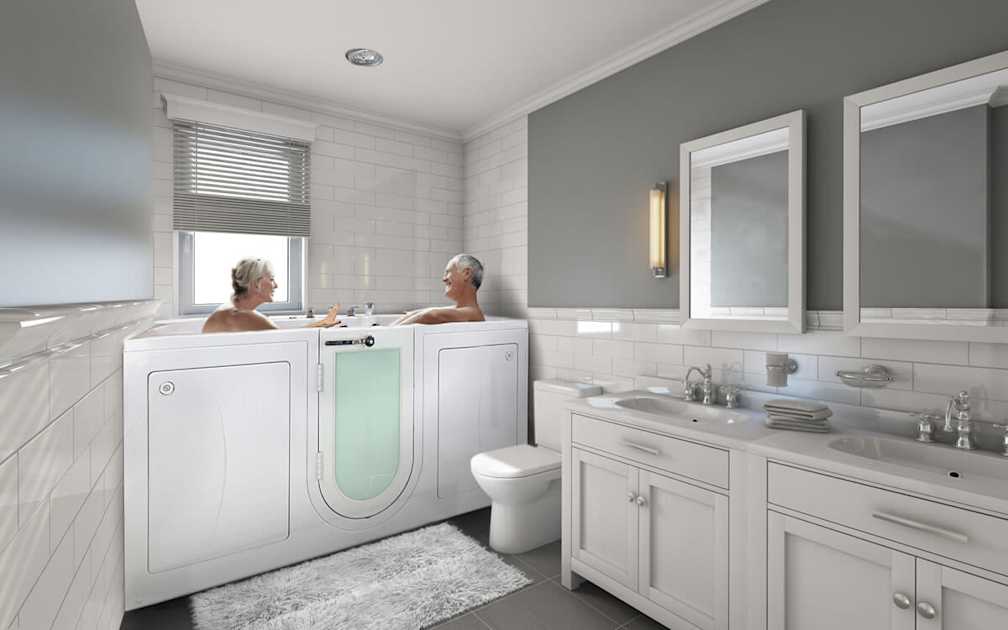
How to Maximize the Durability of Your Tub
To get the most out of your investment, regular care is essential. Here are some practical tips to help extend the life of your walk-in bathtub:
- Clean regularly: Use non-abrasive cleaners and a soft cloth to prevent scratches and buildup. Avoid harsh chemicals that can damage seals or finishes.
- Inspect door seals: The watertight door is a defining feature of these tubs. Check the seal for cracks or wear and replace it if necessary to prevent leaks.
- Flush jets and plumbing: If your tub has hydrotherapy or air jets, follow the manufacturer’s instructions for cleaning out the system. This prevents mineral buildup and keeps the jets functioning properly.
- Address repairs promptly: Fix minor issues such as loose handles, slow drains, or small chips before they become bigger problems.
- Monitor for leaks: Periodically check around the tub and underneath for any signs of water leakage, which can indicate a failing seal or plumbing issue.
For additional safety and maintenance tips, consider reading about how to check walk-in tub electrical grounding to ensure your tub remains safe and reliable over time.
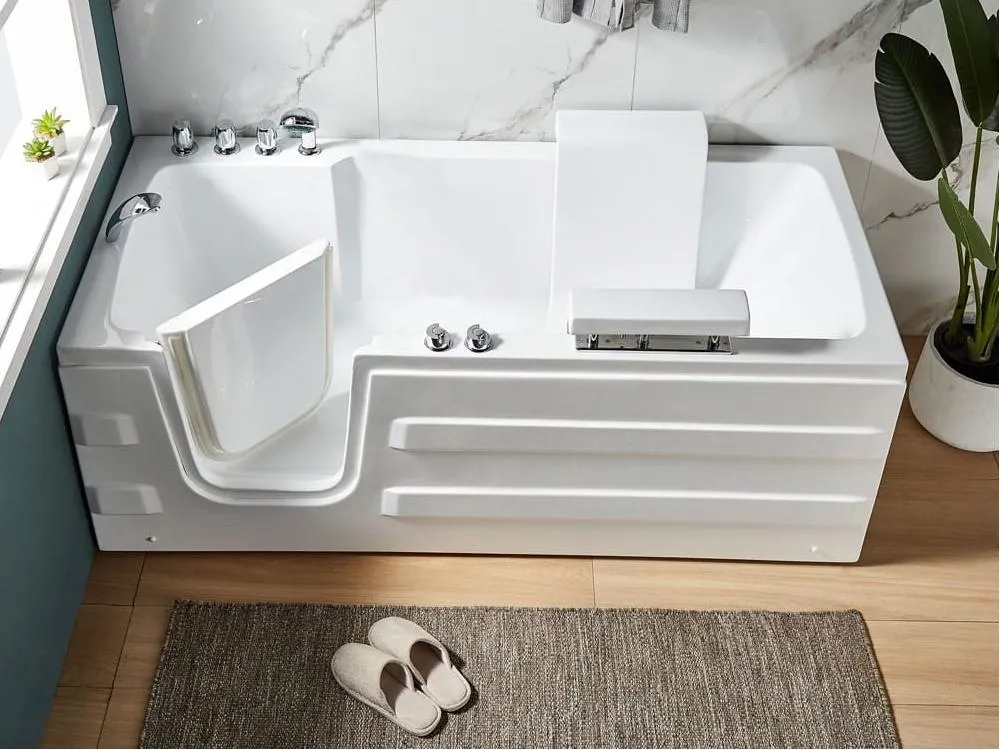
Common Signs a Walk-In Tub Needs Replacement
Even with the best care, all fixtures eventually reach the end of their useful life. Here are some indicators that it may be time to consider a new tub:
- Persistent leaks: If the door or plumbing develops leaks that can’t be fixed with new seals or minor repairs, replacement is likely needed.
- Cracks or structural damage: Visible cracks in the tub body, especially in load-bearing areas, can compromise safety and function.
- Malfunctioning jets or controls: If the hydrotherapy system fails repeatedly or becomes unreliable, it may be more cost-effective to replace the tub than to continue repairs.
- Fading, staining, or surface wear: Severe discoloration or surface damage that can’t be cleaned may indicate the material has degraded.
- Outdated safety features: Older tubs may lack modern safety enhancements, such as improved anti-slip surfaces or advanced suction protection. For more on safety, see our article on walk-in tub suction safety features.
Warranty and Manufacturer Support
Most reputable walk-in tub manufacturers offer warranties ranging from five years to a lifetime on certain components. These warranties often cover the tub shell, door seal, and sometimes the mechanical parts like pumps or jets. Be sure to review the warranty details before purchase, as coverage can vary significantly between brands and models.
Registering your product and keeping records of maintenance or repairs can help ensure you receive full support if issues arise. If you’re considering a tub for aging in place solutions, look for models with robust warranty coverage and accessible customer service.
Maintenance Tips to Extend Tub Longevity
Routine maintenance is the key to maximizing the walk-in tub durability and lifespan. Here are a few additional strategies:
- Wipe down the tub after each use to prevent soap scum and mineral deposits.
- Use a water softener if you have hard water, as mineral buildup can shorten the life of plumbing and jets.
- Test the door seal periodically by filling the tub and checking for leaks.
- Schedule professional inspections every few years, especially if you notice any changes in performance.
- Refer to the manufacturer’s maintenance guide for model-specific recommendations.
For those interested in easy cleaning, using the right products can make a difference. Learn about the benefits of microfiber towels for walk-in showers and tubs to keep surfaces spotless without abrasion.
Frequently Asked Questions
How often should I replace the door seal on my walk-in tub?
Most door seals are designed to last several years, but it’s wise to inspect them every six months. Replace the seal if you notice cracks, brittleness, or any signs of leaking during use.
Can I repair surface scratches or chips in my walk-in tub?
Minor scratches or chips in acrylic or fiberglass tubs can often be repaired with a manufacturer-approved repair kit. For deeper cracks or structural damage, consult a professional to assess whether repair or replacement is the better option.
Does frequent use shorten the lifespan of a walk-in tub?
While heavy use can contribute to wear, regular maintenance and prompt repairs help ensure the tub lasts as long as possible. High-quality materials and proper installation are more significant factors in determining overall longevity.
Are there ways to make my walk-in tub last longer?
Yes, regular cleaning, gentle use, timely repairs, and following the manufacturer’s care instructions all help extend the life of your tub. Using water softeners and non-abrasive cleaning products also protects the finish and plumbing.
Understanding the factors that influence walk-in tub durability and lifespan helps you make informed decisions and get the most from your investment. With proper care and attention, these accessible tubs can provide safe, comfortable bathing for many years.