

Ensuring that walk-in showers are accessible and compliant with the Americans with Disabilities Act (ADA) is essential for creating safe and inclusive bathrooms. Whether for private homes, public facilities, or care environments, understanding the walk-in shower accessibility requirements helps prevent accidents and supports independence for people with mobility challenges. This article explores the core standards, design considerations, and practical tips for achieving ADA compliance in walk-in showers.
Accessible showers offer more than just convenience—they are a necessity for many, including seniors, individuals with disabilities, and anyone seeking a safer bathing experience. By following established guidelines, you can create a bathroom that is both functional and welcoming. For those interested in easy cleaning and maintenance, you might also want to explore the benefits of microfiber towels for walk-in showers to keep your accessible shower in top condition.
Understanding ADA Guidelines for Accessible Showers
The ADA sets forth specific criteria to ensure that showers are usable by people with a wide range of abilities. These standards apply to public and commercial spaces, but many homeowners also choose to follow them for added safety and future-proofing. The main types of ADA-compliant showers are transfer showers and roll-in showers, each with its own set of requirements.
- Transfer showers are designed for users who can transfer from a wheelchair to a shower seat.
- Roll-in showers allow wheelchair users to roll directly into the shower area without barriers.
Key ADA requirements include:
- Minimum interior dimensions (usually 36″ x 36″ for transfer showers, 30″ x 60″ for roll-in showers)
- Low or zero-threshold entry to eliminate tripping hazards
- Slip-resistant flooring
- Grab bars installed at specific heights and locations
- Accessible controls and fixtures
- Shower seats (fixed or folding) for transfer and some roll-in showers
These criteria are designed to maximize safety and usability for all individuals, regardless of mobility level.
Key Features of Accessible Walk-In Showers
To meet walk-in shower accessibility requirements, several design features must be incorporated. These features not only ensure compliance but also enhance comfort and independence for users.
- Thresholds: The entry should be flush or have a minimal lip (no more than 1/2 inch) to allow easy access for wheelchairs and walkers.
- Grab Bars: Securely mounted grab bars provide support for entering, exiting, and moving within the shower. ADA guidelines specify placement and strength requirements.
- Shower Seats: A built-in or fold-down seat is essential for those who cannot stand for long periods. The seat must be securely attached and positioned for easy transfer.
- Handheld Showerheads: Adjustable, handheld showerheads with a hose at least 59 inches long allow users to bathe comfortably while seated or standing.
- Controls: Faucet controls should be easy to operate with one hand and not require tight grasping or twisting.
- Non-Slip Flooring: Textured surfaces reduce the risk of slips and falls, which is especially important in wet environments.
Incorporating these elements helps ensure that the shower is both safe and user-friendly for everyone.
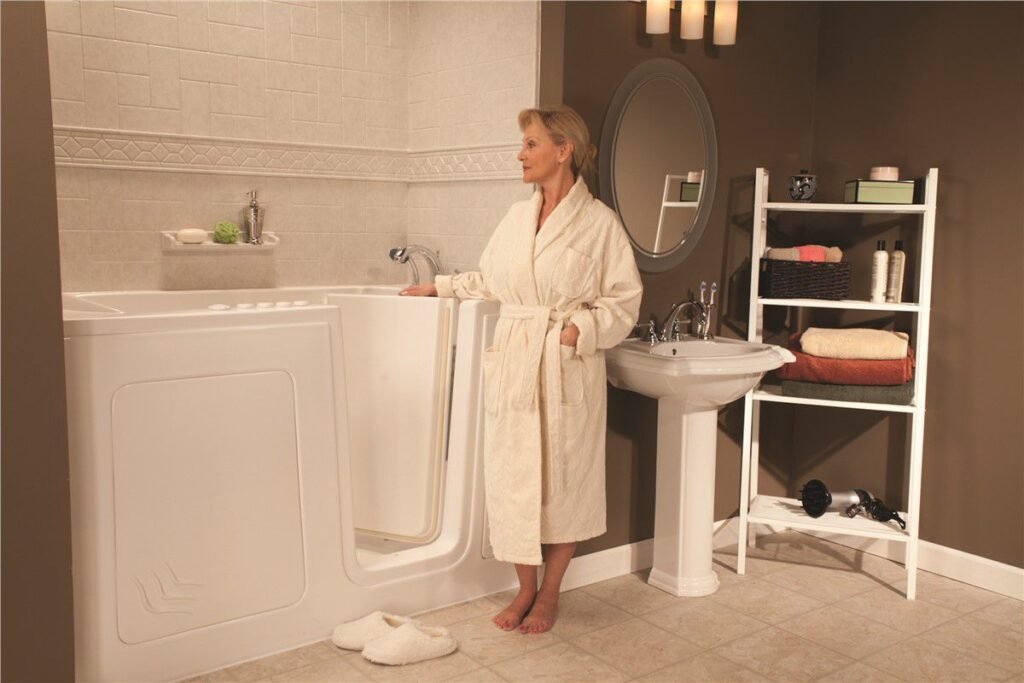
Design Considerations for ADA-Compliant Showers
When planning a bathroom renovation or new construction, it’s important to consider both the letter and the spirit of accessibility guidelines. Here are some practical tips for meeting ADA shower standards:
- Space Planning: Ensure there is enough clear floor space outside and inside the shower for wheelchair maneuvering. A minimum of 30″ x 48″ clear space is recommended in front of the shower entry.
- Doorways: If using a door, it should be wide enough (at least 32 inches clear opening) and easy to operate. Many accessible showers use a curtain or open design for maximum access.
- Fixtures: Install controls and showerheads within easy reach from both the seat and standing positions, typically 38″ to 48″ above the floor.
- Lighting: Good illumination is crucial for safety. Consider adding task lighting or motion-activated lights.
- Materials: Use water-resistant, easy-to-clean surfaces. For cleaning tips, see the walk-in shower non-porous surface benefits guide.
Thoughtful design can make a significant difference in the usability and comfort of an accessible shower.
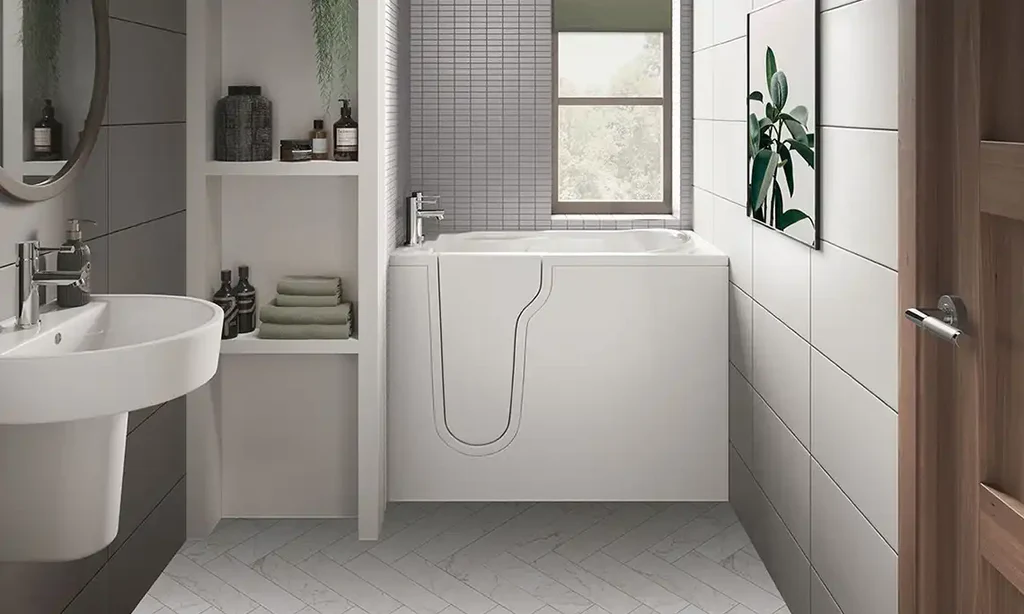
Common Mistakes to Avoid in Accessible Shower Design
Even with the best intentions, some common errors can compromise accessibility and safety. Here are a few pitfalls to watch for:
- Installing thresholds that are too high for wheelchairs or walkers
- Omitting grab bars or placing them incorrectly
- Using slippery tiles or finishes
- Placing controls out of reach from the seat
- Not providing adequate turning space for mobility devices
Careful attention to detail and adherence to walk-in shower accessibility requirements will help you avoid these issues and create a truly accessible space.
Who Needs Accessible Showers?
Accessible showers are vital for a wide range of users:
- Seniors who want to age in place safely
- People with temporary or permanent mobility impairments
- Individuals recovering from surgery or injury
- Caregivers who assist others with bathing
For more information on options tailored for older adults, you can review walk-in showers designed for seniors and their unique needs.
Accessible showers are not just a luxury—they are a practical investment in safety, comfort, and long-term independence.
Maintenance and Safety Tips
Keeping your accessible shower clean and well-maintained is crucial for safety and longevity. Here are some tips:
- Regularly inspect grab bars and seats for secure attachment
- Clean non-slip surfaces to prevent soap scum buildup
- Check for leaks or water pooling that could cause slips
- Use microfiber towels for efficient, streak-free cleaning—learn more about the benefits of microfiber towels for walk-in showers
- Test lighting and replace bulbs as needed
Routine care ensures your accessible shower remains a safe and pleasant space for everyone.
Frequently Asked Questions
What are the minimum dimensions for an ADA-compliant walk-in shower?
ADA guidelines specify that transfer showers must be at least 36 inches by 36 inches, while roll-in showers should be a minimum of 30 inches by 60 inches. These dimensions allow for wheelchair access and safe maneuvering within the shower.
Are grab bars required in all accessible showers?
Yes, grab bars are a critical safety feature and are required in both transfer and roll-in showers. They must be securely mounted and placed according to ADA specifications to provide support during transfers and movement.
Can I retrofit my existing shower to meet accessibility standards?
Many existing showers can be modified to improve accessibility. Common upgrades include installing grab bars, replacing thresholds with low or zero-entry options, adding a shower seat, and using a handheld showerhead. For electrical safety, you may also want to review how to check walk-in tub electrical grounding if your shower includes powered features.
Conclusion
Meeting walk-in shower accessibility requirements is essential for creating bathrooms that are safe, comfortable, and usable for everyone. By following ADA guidelines, incorporating thoughtful design features, and maintaining your shower properly, you can ensure a welcoming environment for people of all ages and abilities. For those interested in additional safety features, consider learning about walk-in tub suction safety features or the walk-in tub foot massage jet benefits for enhanced comfort and peace of mind.