
As people age, their needs at home change. Creating a safer, more accessible, and comfortable living environment can make a significant difference in quality of life for older adults. Whether you’re planning for your own future or helping a loved one, understanding the best home improvements for senior comfort is essential for supporting independence and well-being.
From simple upgrades to more substantial renovations, there are many ways to make a home more senior-friendly. This guide explores practical modifications that enhance safety, accessibility, and daily convenience. We’ll also highlight resources and products that can further support aging in place.
For those considering bathroom upgrades, features like walk-in tubs can be especially beneficial. If you’re interested in learning more about specific safety features, walk-in tub suction safety features are worth exploring to prevent entrapment and ensure peace of mind.
Why Accessibility Matters for Aging in Place
Many seniors prefer to remain in their own homes as they age, a concept known as aging in place. However, traditional home layouts often present barriers to mobility and safety. By making thoughtful changes, you can create an environment that supports independence and reduces the risk of accidents.
According to organizations like Habitat for Humanity’s Aging in Place initiative, accessible home modifications can help seniors stay in their homes longer and enjoy a higher quality of life. These improvements range from minor adjustments to major renovations, all aimed at making daily living easier and safer.
Key Home Improvements for Senior Safety and Comfort
When considering the best home improvements for senior comfort, focus on areas that offer the greatest impact on safety, mobility, and ease of use. Here are some of the most effective upgrades:
Bathroom Modifications for Safer Bathing
The bathroom is one of the most common locations for slips and falls. Simple changes can greatly reduce these risks:
- Walk-in tubs or showers: These eliminate the need to step over a high edge, making bathing safer and more accessible. For those interested in additional benefits, walk-in tub foot massage jet benefits can also aid circulation and relaxation.
- Grab bars and handrails: Install sturdy supports near the toilet, shower, and bathtub to provide extra stability.
- Non-slip flooring: Use textured tiles or add non-slip mats to minimize the risk of falls.
- Raised toilet seats: These make it easier to sit and stand, reducing strain on joints.
Improving Lighting and Visibility
Poor lighting can contribute to trips and falls. Enhancing visibility throughout the home is a simple yet powerful upgrade:
- Bright, even lighting: Use LED bulbs and add fixtures in hallways, staircases, and entryways.
- Motion-sensor lights: These automatically illuminate paths at night, reducing the need to fumble for switches.
- Nightlights: Place these in bedrooms, bathrooms, and corridors for extra safety during nighttime trips.

Flooring and Mobility Enhancements
Mobility can become challenging with age, so it’s important to remove barriers and make movement easier:
- Remove tripping hazards: Secure or eliminate loose rugs and repair uneven flooring.
- Widen doorways: This accommodates walkers and wheelchairs, making it easier to move between rooms.
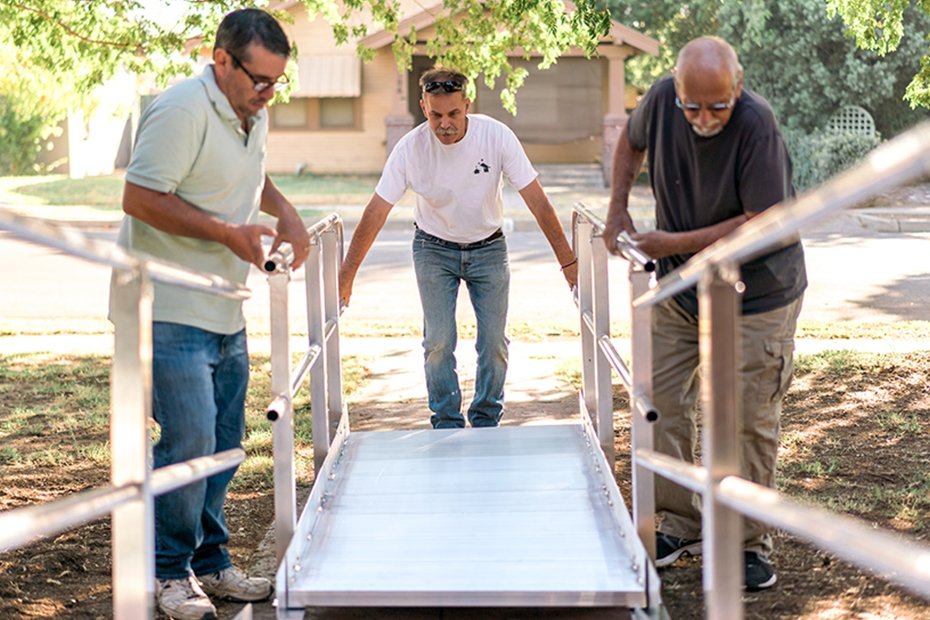
- Install ramps: Replace steps at entrances with gentle ramps for easier access.
- Lever-style door handles: These are easier to operate than traditional knobs, especially for those with arthritis.
Technology and Smart Solutions for Senior Living
Modern technology can add convenience and security for older adults. Some helpful options include:
- Medical alert systems: Devices like personal emergency response buttons can summon help quickly in case of a fall or medical emergency. Consider products such as the Elderly SOS Alert System for added peace of mind.
- Smart home devices: Voice-activated assistants, automated thermostats, and video doorbells can simplify daily routines and enhance safety.
- Security systems: Cameras and alarms can deter intruders and provide reassurance for seniors living alone.
Kitchen Upgrades for Ease and Safety
The kitchen is another area where targeted improvements can make a big difference:
- Pull-out shelves and drawers: These reduce the need to reach or bend, making it easier to access items.
- Anti-scald devices: Install these on faucets to prevent accidental burns.
- Easy-grip utensils and appliances: Choose products designed for those with limited hand strength or dexterity.
- Lowered countertops: Adjust surfaces to a comfortable height for seated use if needed.
Maintaining a Healthy and Comfortable Home Environment
Beyond structural changes, regular maintenance and thoughtful additions can improve comfort and well-being:
- Regular cleaning: Keeping floors and surfaces clean reduces allergens and prevents slips.
- Accessible storage: Store frequently used items within easy reach to avoid unnecessary stretching or climbing.
- Proper ventilation: Ensure good airflow to maintain indoor air quality.
- Comfortable seating: Invest in supportive chairs and beds that make sitting and standing easier.
For those with walk-in showers, using the right cleaning tools can also help. Learn about the benefits of microfiber towels for walk-in showers to keep surfaces safe and hygienic with minimal effort.
Planning and Funding Home Modifications
While some upgrades are simple DIY projects, others may require professional installation. Start by assessing the home for potential hazards and areas that could be improved. Consult with occupational therapists or certified aging-in-place specialists for personalized recommendations.
Funding options may include government grants, nonprofit programs, or insurance benefits. Organizations such as Habitat for Humanity and local agencies often offer resources to help seniors make necessary modifications.
Frequently Asked Questions
What are the most important home modifications for seniors?
The most impactful changes typically include installing grab bars, improving lighting, removing tripping hazards, and upgrading bathrooms with walk-in tubs or showers. These adjustments address the most common causes of accidents and enhance daily comfort.
How can technology help seniors live independently?
Smart home devices, medical alert systems, and automated lighting can make daily tasks easier and provide emergency support. These tools help seniors stay connected and safe while maintaining their independence.
Are there financial assistance programs for home modifications?
Yes, many local and national organizations offer grants or low-interest loans to help seniors make their homes safer and more accessible. Check with agencies like Habitat for Humanity’s Aging in Place program or your local Area Agency on Aging for available options.
Making thoughtful upgrades and using available resources can help older adults enjoy a safer, more comfortable home for years to come. By focusing on accessibility, safety, and convenience, families can support independence and peace of mind for their loved ones.