
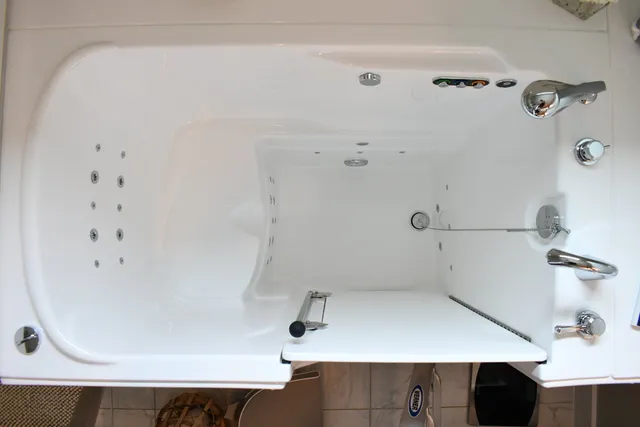
Choosing the right walk-in tub faucet reach and placement is essential for ensuring comfort, safety, and independence in the bathroom. For individuals with mobility challenges, seniors, or anyone seeking a more accessible bathing experience, the location and usability of the faucet can make a significant difference. Proper faucet positioning not only improves convenience but also minimizes the risk of strain or injury when operating the controls.
In this guide, we’ll cover the most important factors to consider when selecting and installing a faucet for a walk-in tub. You’ll learn about ergonomic reach distances, optimal mounting locations, and the impact of faucet design on daily use. We’ll also highlight related accessibility features and provide practical tips for evaluating your options.
For those interested in the technical aspects of walk-in tub construction, you may also want to explore the differences between walk-in tub frame construction types to better understand how faucet placement integrates with overall tub design.
Why Faucet Reach and Location Matter in Walk-In Tubs
The reach and placement of a walk-in tub faucet directly affect how easily a user can operate the controls while seated. Unlike standard bathtubs, walk-in models are designed for users to enter, sit, and bathe without the need to climb over high walls. This means the faucet must be accessible from a seated position, often with limited range of motion.
- Safety: Poorly positioned faucets can force users to stretch or twist, increasing the risk of slips or falls.
- Comfort: Controls within easy reach reduce strain on shoulders, arms, and back.
- Independence: Proper placement allows users to manage water temperature and flow without assistance.
For those considering additional safety features, reviewing walk-in shower grab bar weight ratings can provide further insight into creating a secure bathing environment.
Key Considerations for Faucet Reach in Accessible Tubs
When evaluating walk-in tub faucet reach and placement, several factors should guide your decision:
- User Height and Mobility: The ideal reach distance varies based on the user’s arm length and range of motion. Faucets should be positioned so that users can operate them without leaning forward excessively.
- Seat Position: Most walk-in tubs include a built-in seat. Measure the distance from the seat to the intended faucet location to ensure it falls within a comfortable range (typically 12–18 inches).
- Hand Dominance: Consider whether the primary user is left- or right-handed, as this may influence the optimal side for faucet controls.
- Type of Controls: Lever handles, push-button controls, and thermostatic valves all have different accessibility profiles. Choose controls that are easy to grip and require minimal force to operate.
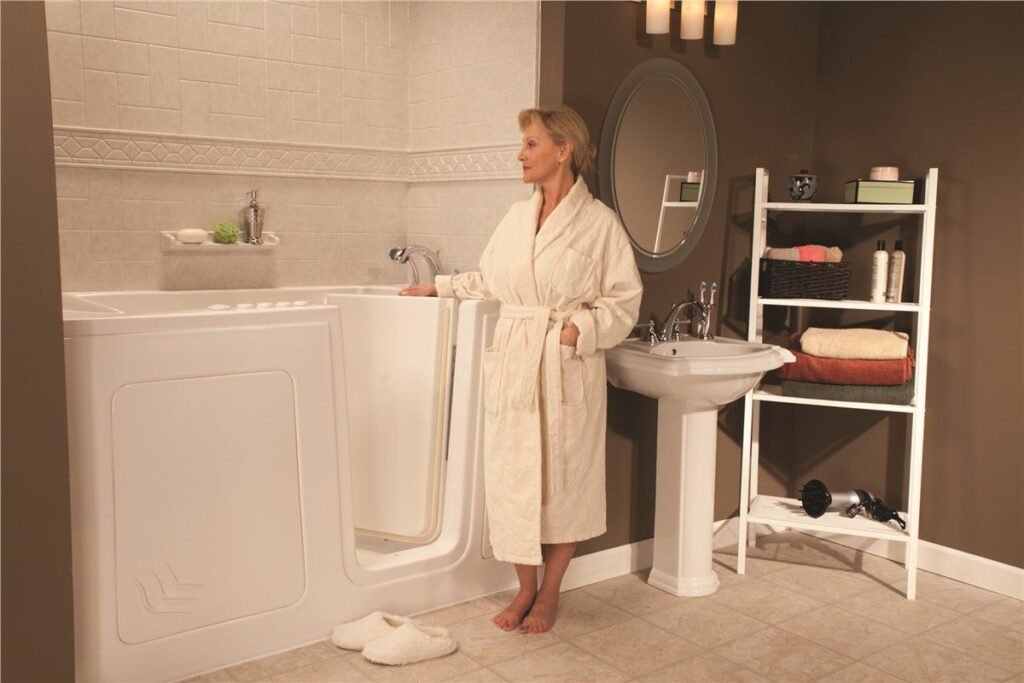
Optimal Faucet Placement Strategies for Walk-In Tubs
There are several common approaches to faucet positioning in accessible tubs. Each has its own advantages, depending on the user’s needs and the tub’s design:
- Side Wall Mount: Placing the faucet on the side wall, near the seat, is the most popular option for easy access. This allows users to adjust water flow and temperature without standing or reaching across the tub.
- End Wall Mount: Some tubs feature faucets at the end, opposite the door. While this can provide a clean look, it may require a longer reach, which isn’t ideal for users with limited mobility.
- Deck Mount: Faucets installed on the tub deck (rim) can be positioned very close to the seat, minimizing reach distance. This is especially useful for compact bathrooms or users with severe mobility restrictions.
When choosing a placement, ensure that the faucet does not obstruct entry or exit. The controls should be reachable with minimal movement and should not interfere with door operation or transfer from a wheelchair.
Ergonomic Guidelines for Faucet Reach
To maximize comfort and safety, follow these ergonomic recommendations for walk-in tub faucet reach and placement:
- Position the faucet within 12–18 inches of the seated user’s shoulder.
- Ensure controls are at a height that does not require the user to raise or lower their arm excessively—typically between 28 and 34 inches from the floor.
- Use lever-style handles or large, easy-turn knobs to accommodate users with arthritis or reduced grip strength.
- If possible, test faucet locations with the intended user before final installation.
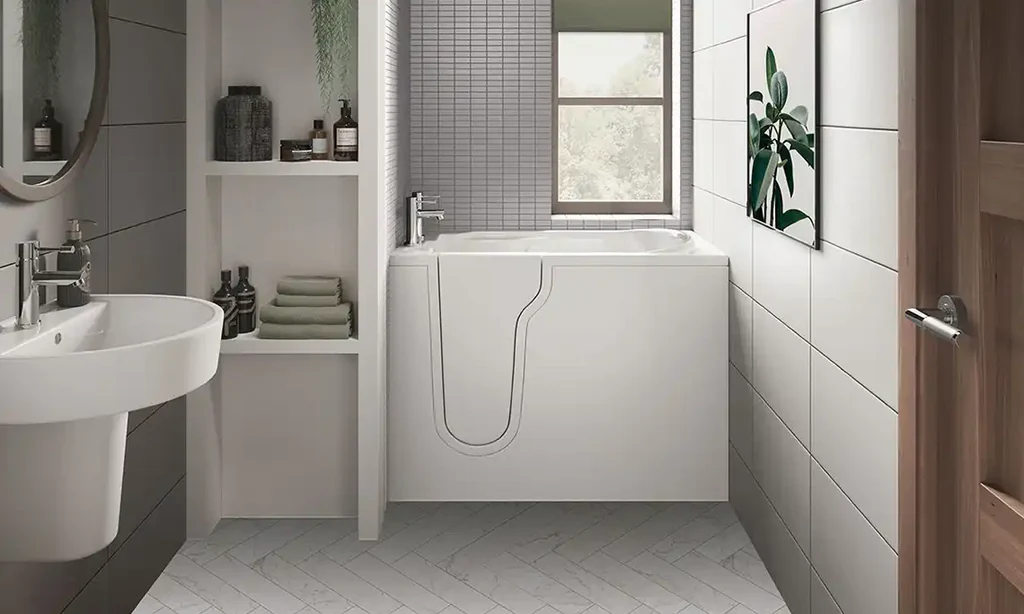
Faucet Design Features That Enhance Accessibility
Beyond placement, the design of the faucet itself can improve usability for people with limited mobility. Look for these features:
- Thermostatic Controls: These maintain a consistent water temperature, reducing the risk of accidental scalding.
- Anti-Scald Valves: Built-in safety mechanisms that automatically shut off hot water if the temperature exceeds a safe limit.
- Handheld Shower Wands: Flexible hoses allow users to direct water where needed without moving around.
- Large, Clearly Marked Handles: Easy-to-read labels and color indicators help users quickly identify hot and cold controls.
Some walk-in tubs also offer quick-fill faucets, which can reduce waiting time and improve the overall bathing experience.
Integrating Faucet Placement with Other Accessibility Features
For a truly accessible bathroom, faucet location should be considered alongside other safety and convenience features. This includes grab bars, non-slip flooring, and proper drainage. For example, ensuring the tub’s drainage system is designed for efficient runoff—such as those described in walk-in shower drainage slope requirements—can help prevent water from pooling near the faucet area.
Additionally, the choice between different tub types can impact faucet options. For a comparison of walk-in tubs and traditional garden tubs, see the difference between walk-in tubs and garden tubs article.
Installation Tips for Safe and Convenient Faucet Access
Proper installation is just as important as selecting the right faucet. Here are some tips to ensure optimal results:
- Consult with a professional installer who has experience with accessible bathroom fixtures.
- Double-check measurements from the seat to the faucet location before drilling or mounting.
- Test the faucet’s reach and operation from the seated position to confirm comfort and usability.
- Ensure all plumbing connections are secure and leak-free to avoid future maintenance issues.
Regular maintenance is also key to keeping your walk-in tub functioning smoothly. For guidance on keeping mechanical components in top shape, refer to advice on how to maintain walk-in tub pump motors.
Expert Recommendations and Additional Resources
When planning your accessible bathroom, it’s helpful to consult with occupational therapists or certified aging-in-place specialists. They can provide personalized recommendations based on your unique needs. For more information on accessible bathing solutions, you may find the guide to walk-in showers for older people useful for broader context and ideas.
Frequently Asked Questions
What is the ideal faucet reach for a walk-in tub?
The ideal reach is typically between 12 and 18 inches from the seated user’s shoulder. This allows most people to operate the controls comfortably without stretching or straining.
Can I move the faucet if my needs change?
In many cases, faucets can be repositioned by a professional plumber, especially if the tub is designed with flexible plumbing connections. However, some models may have fixed mounting points, so it’s best to plan ahead and choose a tub that allows for future adjustments if needed.
Are there specific faucet types recommended for people with arthritis?
Yes, lever-style handles and large, easy-turn knobs are highly recommended for users with arthritis or limited grip strength. Thermostatic and push-button controls can also enhance ease of use and safety.