As people age, maintaining a safe and comfortable home environment becomes increasingly important. Many older adults face challenges with mobility, accessibility, and the cost of necessary repairs or upgrades. Fortunately, a variety of government programs for senior home improvement exist to help make essential modifications more affordable and accessible. These initiatives can support aging in place, enhance safety, and improve overall quality of life for seniors.
Navigating the options can be overwhelming, but understanding the available resources is the first step. Whether you are a homeowner, family member, or caregiver, this article will guide you through the primary types of assistance, eligibility requirements, and how to get started.
For those interested in making bathrooms safer, you may find our guide on walk-in shower grab bar weight ratings helpful for understanding support options and installation tips.
Types of Assistance for Home Repairs and Modifications
There are several categories of support available to older adults seeking to improve their homes. These include federal, state, and local government programs, as well as nonprofit and community-based initiatives. The most common forms of assistance are:
- Grants – Financial aid that does not require repayment, typically for low-income seniors or those with disabilities.
- Low-interest loans – Borrowed funds with favorable terms to help cover the cost of repairs or upgrades.
- Tax credits and rebates – Incentives for making energy-efficient or accessibility-related improvements.
- Technical support – Guidance on planning, designing, and completing home modifications.
Federal Government Programs Supporting Senior Home Upgrades
At the national level, several agencies offer government programs for senior home improvement that focus on safety, accessibility, and energy efficiency. Some of the most widely used options include:
USDA Single Family Housing Repair Loans & Grants (Section 504)
The U.S. Department of Agriculture provides the Section 504 Home Repair program, which offers grants to very low-income homeowners aged 62 or older. These funds can be used to remove health and safety hazards or make homes more accessible. Loans are also available for broader repairs and improvements.
- Eligibility: Must own and occupy the home, meet income limits, and be unable to obtain affordable credit elsewhere.
- Grant limit: Up to $10,000 (lifetime maximum).
- Loan limit: Up to $40,000, with a 1% interest rate and 20-year term.
Department of Housing and Urban Development (HUD) Programs
HUD funds several initiatives that can benefit older adults, including the Community Development Block Grant (CDBG) program, which supports local agencies in offering home repair grants or loans. The HOME Investment Partnerships Program also provides funding for affordable housing improvements.
Many local housing authorities and agencies use these federal funds to run their own senior-focused home repair programs. Contact your city or county housing office to learn about options in your area.
Weatherization Assistance Program (WAP)
The Weatherization Assistance Program helps low-income households, including seniors, reduce energy costs by improving home insulation, sealing leaks, and upgrading heating or cooling systems. These improvements can make homes more comfortable and lower utility bills.
State and Local Initiatives for Aging in Place
In addition to federal resources, many states and municipalities offer their own home improvement programs for seniors. These can include grants, deferred loans, or volunteer-based repair services. Some states have dedicated funds for accessibility upgrades, such as ramps, grab bars, or walk-in tubs.
For example, some local agencies may provide assistance with bathroom safety modifications. If you are considering a walk-in tub, our article on walk-in tub frame construction types can help you compare materials and durability.
- Check with your Area Agency on Aging (AAA) for local resources.
- Contact your state housing finance agency for information on available grants or loans.
- Explore nonprofit organizations that partner with local governments to deliver home repair services.
How to Qualify and Apply for Assistance
Each program has its own eligibility criteria, but most require applicants to be at least 62 years old, own and occupy their home, and meet income guidelines. Some initiatives prioritize those with disabilities or urgent safety needs.
- Gather documentation: Proof of age, income, homeownership, and residency are typically required.
- Contact local agencies: Start with your city or county housing office, AAA, or state housing agency.
- Complete applications: Follow instructions carefully and provide all requested information.
- Schedule inspections: Some programs require a home assessment to determine eligible repairs.
For more details on available options and the application process, this overview of government programs for seniors’ home repairs provides additional insights and tips.
Popular Home Improvements Covered by Assistance Programs
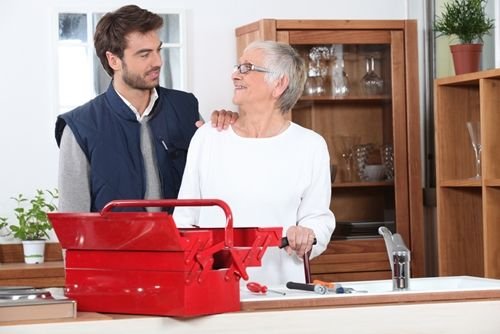
The types of repairs and upgrades eligible for funding vary, but most senior home improvement programs focus on projects that enhance safety, accessibility, and energy efficiency. Common examples include:
- Installing ramps, stairlifts, or grab bars
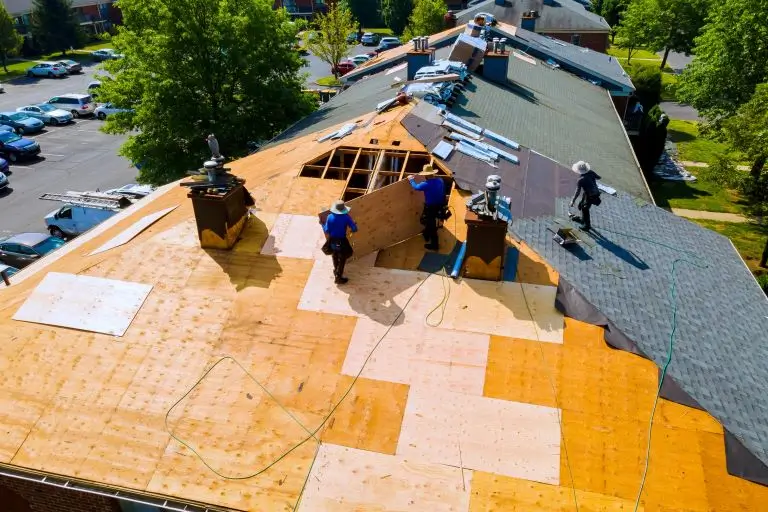
- Replacing or repairing roofs, windows, and doors
- Upgrading electrical and plumbing systems
- Improving bathroom accessibility (walk-in tubs, roll-in showers)
- Weatherization and insulation improvements
- Removing tripping hazards and improving lighting
If you are considering a walk-in tub, be sure to review our resource on are walk-in tubs covered by insurance for information about coverage and claims.
Tips for Maximizing Your Benefits
To make the most of available resources, keep these strategies in mind:
- Apply early, as funds are often limited and distributed on a first-come, first-served basis.
- Combine multiple sources of assistance when possible (federal, state, local, nonprofit).
- Document all repairs and upgrades for future reference and potential tax benefits.
- Consult with a housing counselor or social worker for personalized guidance.
For more on warranty considerations, see our article on understanding walk-in tub warranty terms to ensure your investments are protected.
Frequently Asked Questions
What types of home repairs are most commonly covered by senior assistance programs?
Most programs prioritize essential repairs that address health, safety, and accessibility. This includes roofing, electrical, plumbing, ramps, grab bars, and bathroom modifications. Energy efficiency upgrades, such as insulation and window replacement, are also common.
Can renters qualify for government-funded home improvements?
Most initiatives are designed for homeowners, but some local agencies offer limited support for renters, especially if the landlord agrees to make accessibility upgrades. Always check with your local housing office for specific eligibility.
How long does it take to receive assistance after applying?
Processing times vary by program and location. Some grants or loans may be approved within a few weeks, while others can take several months, especially if inspections or additional documentation are required. Applying early and providing complete information can help speed up the process.
By exploring government programs for senior home improvement and related resources, older adults and their families can make informed decisions to create safer, more accessible living spaces. Take advantage of available support to ensure a comfortable and independent lifestyle as you age.