
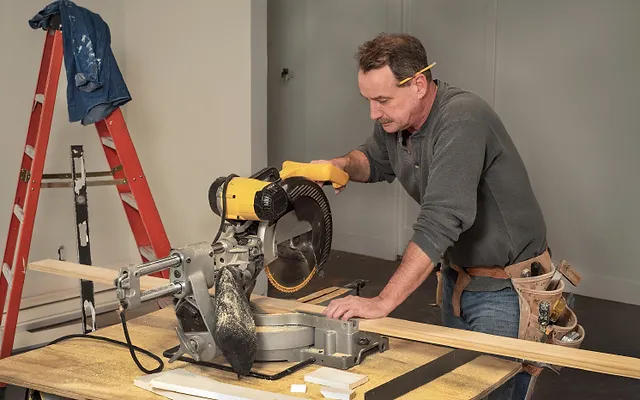
Choosing the right flooring is a critical safety consideration for any environment where older adults live or visit frequently. Slippery surfaces are a leading cause of falls, which can result in serious injuries and long-term health complications for seniors. By installing non slip flooring for senior homes, families and facility managers can significantly reduce these risks and create a more secure, comfortable living space. This article explores the most effective slip-resistant flooring options, key features to look for, and practical tips for making the best choice for your needs.
In addition to flooring, other home modifications—such as grab bars and walk-in tubs—can further enhance safety. For more details on supportive bathroom fixtures, see our guide on walk-in shower grab bar weight ratings.
Why Slip-Resistant Flooring Matters for Senior Living
Falls are a leading cause of injury among older adults, often resulting in broken bones, head trauma, and loss of independence. Many of these accidents happen at home, especially in areas with smooth or wet floors. Installing non slip flooring is one of the most effective ways to reduce these risks. Not only does it provide better traction, but it also offers peace of mind for both residents and caregivers.
The right flooring can also make it easier for seniors to use mobility aids such as walkers or canes. Surfaces designed to prevent slips help maintain balance and stability, especially in high-traffic areas like kitchens, bathrooms, and entryways.
Top Non Slip Flooring Options for Senior Residences
When selecting flooring for older adults, it’s important to consider both safety and comfort. Here are some of the most popular and effective choices:
- Textured Vinyl: Modern vinyl flooring is available in slip-resistant finishes that mimic the look of wood or stone. It’s durable, easy to clean, and soft underfoot.
- Rubber Flooring: Rubber is naturally slip-resistant and provides excellent cushioning, making it ideal for areas where falls are a concern. It’s also water-resistant and easy to maintain.
- Cork: Cork flooring offers a softer surface that absorbs impact, reducing the risk of injury if a fall does occur. Many cork options come with textured finishes for added grip.
- Low-Pile Carpet: While thick carpets can be a tripping hazard, low-pile or commercial-grade carpets provide traction without impeding walkers or wheelchairs.
- Non Slip Tile: Specially manufactured tiles with a textured or matte finish can be used in bathrooms and kitchens. Look for tiles with a high slip-resistance rating.
Key Features to Look for in Safe Flooring
Not all flooring marketed as “safe” or “elder-friendly” offers the same level of protection. When evaluating options for non slip flooring for senior homes, pay attention to the following features:
- Slip Resistance Rating: Look for products with a high coefficient of friction (COF). This rating indicates how much grip the surface provides, especially when wet.
- Ease of Cleaning: Surfaces that are easy to clean help prevent buildup of dust or spills that could cause slips.
- Shock Absorption: Flooring with some cushioning can reduce the impact of falls and provide comfort for those who spend a lot of time standing or walking.
- Seamless Installation: Avoid flooring with high transitions or thick seams, as these can be tripping hazards.
- Water Resistance: Especially important in bathrooms, kitchens, and entryways where moisture is common.
Best Areas to Install Slip-Resistant Surfaces
While the entire home can benefit from safer flooring, certain spaces should be prioritized:
- Bathrooms: Water and smooth tiles make bathrooms a high-risk area. Consider textured tiles or rubber flooring.
- Kitchens: Spills are common, so a slip-resistant, easy-to-clean surface is essential.
- Entryways: Wet shoes and outdoor debris can make entrances slippery. Durable, non slip mats or rubber flooring work well here.
- Hallways and Living Areas: These high-traffic zones should have surfaces that balance grip with comfort.
For additional safety in the bathroom, you might also consider upgrading to a walk-in tub. Learn more about walk-in tub frame construction types for further insights into safe bathing solutions.
Installation and Maintenance Tips for Long-Term Safety
Proper installation and regular maintenance are just as important as choosing the right material. Here are some tips to maximize the effectiveness of your slip-resistant flooring:
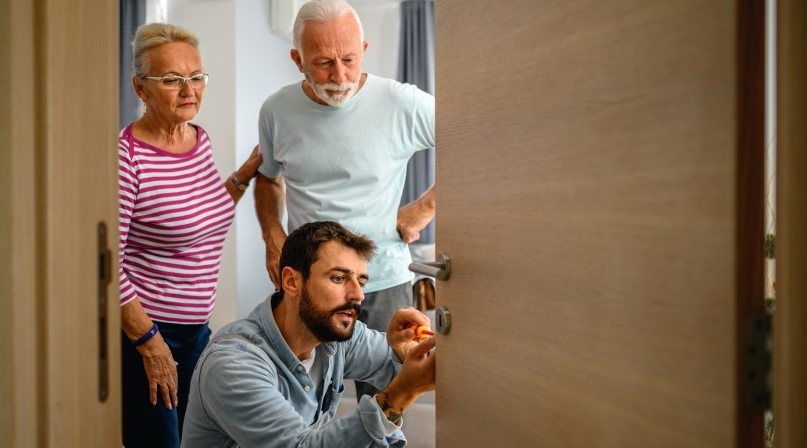
- Professional Installation: Hire experienced installers to ensure flooring is level and transitions are smooth.
- Routine Cleaning: Keep floors free of spills, dust, and debris. Use non-slip mats in high-risk areas, but ensure they lay flat.
- Regular Inspections: Check for wear, tears, or loose edges that could become tripping hazards.
- Upgrade When Needed: If flooring becomes worn or loses its slip-resistant properties, replace it promptly.
For those seeking additional support with home modifications, there are programs that offer assistance. Explore resources for home repair assistance for seniors to learn about available support and funding.
Additional Safety Enhancements for Senior Living Spaces
Flooring is just one part of a comprehensive safety plan. Consider these additional measures to further reduce fall risks:
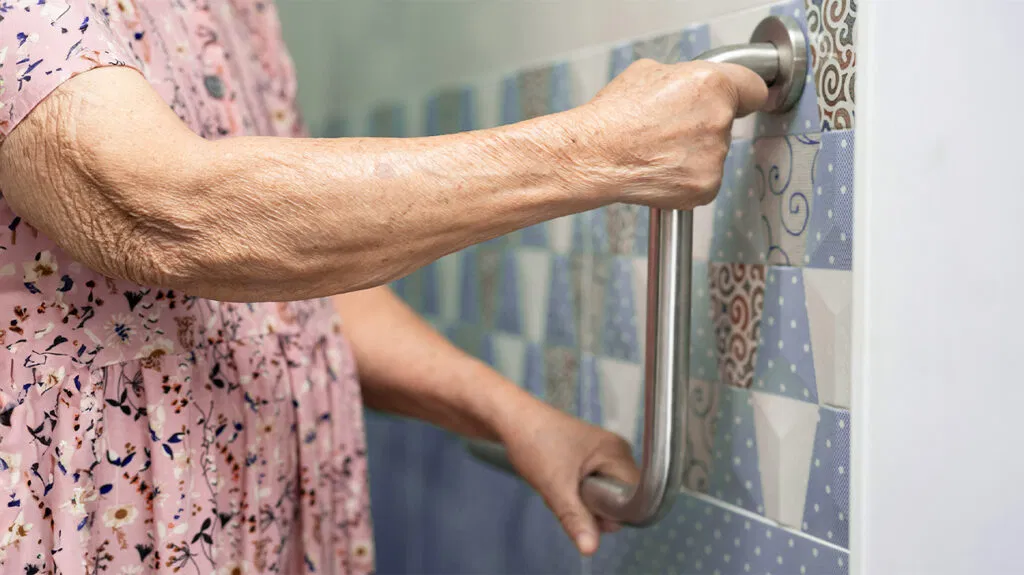
- Install grab bars in bathrooms and near stairs.
- Use adequate lighting throughout the home to eliminate dark areas.
- Remove loose rugs or secure them with non-slip backings.
- Keep walkways clear of clutter and cords.
- Consider emergency alert systems for quick assistance in case of a fall.
For more information about insurance coverage for safety upgrades, visit our article on are walk-in tubs covered by insurance.
Frequently Asked Questions
What is the best type of non slip flooring for bathrooms in senior homes?
Textured vinyl, rubber flooring, and non slip tiles with a matte finish are among the safest choices for bathrooms. These materials provide excellent traction even when wet and are easy to clean.
How often should slip-resistant flooring be replaced?
The lifespan of slip-resistant flooring depends on the material and the amount of foot traffic. Generally, high-quality vinyl or rubber flooring can last 10–20 years with proper maintenance. Inspect regularly for signs of wear and replace if the surface becomes smooth or damaged.
Can non slip flooring be installed over existing surfaces?
In many cases, yes. Some slip-resistant options, such as vinyl planks or rubber tiles, can be installed over existing floors if the surface is clean, dry, and level. Always consult with a professional installer to ensure compatibility and safety.
Are there grants or financial assistance for installing safer flooring for seniors?
Yes, several organizations and local governments offer grants or low-interest loans to help seniors make safety upgrades at home. For more details, review resources for home repair assistance for seniors.
What other modifications can improve safety in addition to flooring?
Adding grab bars, improving lighting, installing walk-in tubs, and using emergency alert systems are all effective ways to enhance safety. For more on bathroom safety, see our guide to walk-in shower grab bar weight ratings.