
Thoughtful illumination is essential in spaces designed for tranquility, such as libraries, meditation rooms, hospital recovery areas, and residential nooks. The right approach to lighting for quiet areas safely not only enhances comfort but also plays a crucial role in preventing accidents and supporting well-being. Whether you are updating a home sanctuary or planning a public retreat, understanding how to balance visibility, ambiance, and safety will help you create an environment that feels both secure and soothing.
This article explores practical strategies for selecting and installing fixtures, choosing appropriate brightness levels, and integrating modern features like motion sensors. For those interested in broader home safety solutions, you may also find value in our detailed guide on walk-in shower grab bar weight ratings, which covers essential support considerations for accessible spaces.
Key Principles for Safe and Comfortable Illumination
When designing lighting for peaceful environments, the goal is to provide enough light for safe movement without disrupting the calm atmosphere. Achieving this balance involves careful selection of fixture types, placement, and controls. Here are some foundational principles:
- Minimize glare and harsh shadows: Use diffused fixtures and indirect lighting to prevent eye strain and maintain a gentle ambiance.
- Layer lighting sources: Combine ambient, task, and accent lights to offer flexibility and support different activities, from reading to relaxation.
- Prioritize accessibility: Ensure switches and controls are easy to reach, especially in areas frequented by older adults or individuals with mobility challenges.
- Incorporate energy-efficient solutions: LED fixtures not only reduce energy consumption but also generate less heat, contributing to comfort.
Choosing Fixtures for Tranquil Spaces
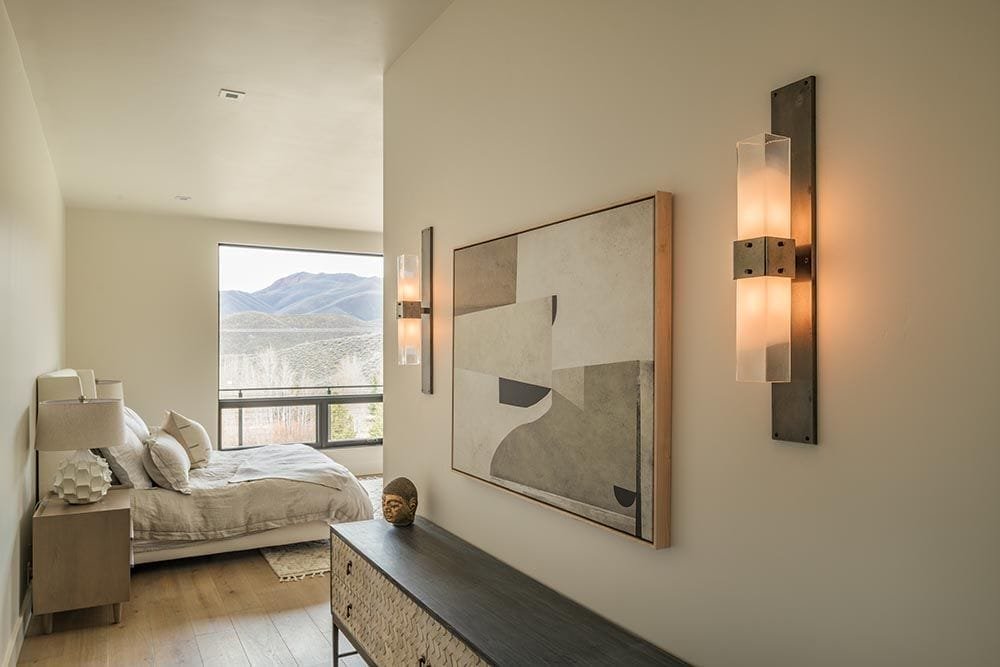
Selecting the right fixtures is central to lighting for quiet areas safely. Options such as recessed lights, wall sconces, and table lamps can be tailored to the needs of each space. For example, recessed LED lights provide even, unobtrusive illumination, while wall sconces can highlight architectural features without overwhelming the senses.
For areas where silence is paramount, such as meditation rooms or hospital recovery suites, fixtures with silent operation and minimal heat output are ideal. Dimmable options allow users to adjust brightness according to the time of day or activity, further enhancing comfort.
Brightness and Color Temperature: Finding the Right Balance
The intensity and hue of light have a significant impact on both safety and mood. Excessively bright lights can feel jarring, while dim lighting may create tripping hazards. Aim for moderate brightness levels—typically between 200 and 400 lumens per square meter for general use in quiet zones.
Color temperature also matters. Warm white (2700K–3000K) is generally preferred for restful spaces, as it mimics natural evening light and supports relaxation. Cooler tones (4000K and above) may be suitable for task-oriented areas but should be used sparingly to avoid disrupting the peaceful atmosphere.
Smart Controls and Motion Sensors for Enhanced Safety
Integrating smart controls and motion sensors can further optimize lighting for quiet areas safely. Motion-activated night lights, for instance, provide gentle illumination only when needed, reducing energy use and minimizing disturbance. These features are especially beneficial in hallways, bathrooms, and bedrooms, where nighttime navigation is common.
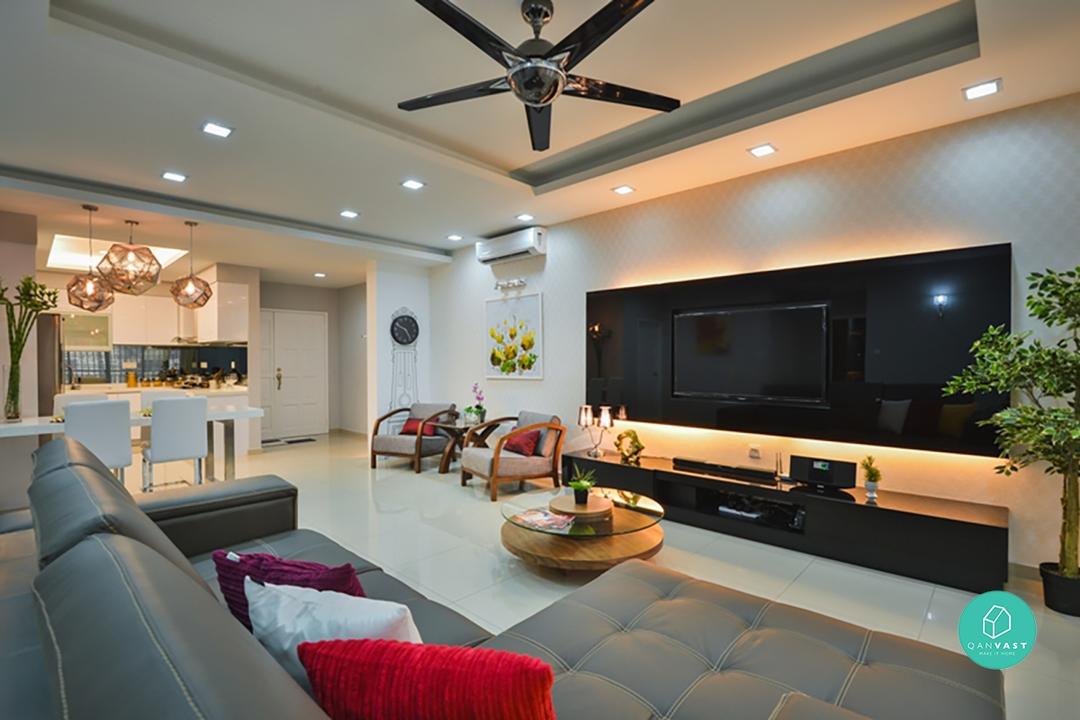
Smart dimmers and programmable timers allow for automatic adjustments based on time or occupancy, ensuring that lights are never left on unnecessarily. This not only supports safety but also contributes to energy efficiency.
Placement Strategies for Maximum Effectiveness
Proper placement of fixtures is as important as the type of light used. In corridors and entryways, install lights at regular intervals to eliminate dark spots. For reading nooks or bedside areas, position task lights to avoid casting shadows on books or surfaces.
In multi-use spaces, consider flexible solutions such as adjustable lamps or track lighting. These allow users to direct light where it is needed most, supporting both safety and comfort. Always ensure that pathways, steps, and changes in floor level are well-lit to reduce the risk of falls.
Maintenance and Long-Term Considerations
Keeping lighting systems in good working order is vital for ongoing safety. Choose fixtures with long-lasting bulbs and easy-to-clean designs. Regularly check for burnt-out lamps, loose fittings, or dust accumulation, all of which can reduce effectiveness or pose hazards.
For those interested in understanding how lighting choices intersect with broader accessibility features, our article on walk-in tub frame construction types offers insights into durable, user-friendly design for home improvements.
Expert Resources and Further Reading
For a deeper dive into fixture selection, bulb types, and installation tips, consult comprehensive guides such as Lighting 101 from Hunter Fan. These resources provide valuable context for making informed decisions about both aesthetics and functionality in serene environments.
Frequently Asked Questions
What types of lighting are best for quiet zones?
The most effective options include recessed LED lights, wall sconces with diffusers, and table lamps with adjustable brightness. These fixtures provide gentle, even illumination without introducing noise or harsh glare.
How can I ensure lighting is safe for older adults?
Use motion-activated night lights and ensure all switches are easy to reach. Avoid cords or fixtures that could become tripping hazards. Consistent, moderate brightness levels help prevent falls and support visibility.
Are smart lighting controls worth the investment?
Yes, smart controls and motion sensors add convenience and enhance safety by automating lighting based on occupancy or time of day. They also contribute to energy savings and reduce the need for manual adjustments.
What color temperature is ideal for restful environments?
Warm white (2700K–3000K) is generally preferred for quiet areas, as it creates a calming atmosphere and supports relaxation.