
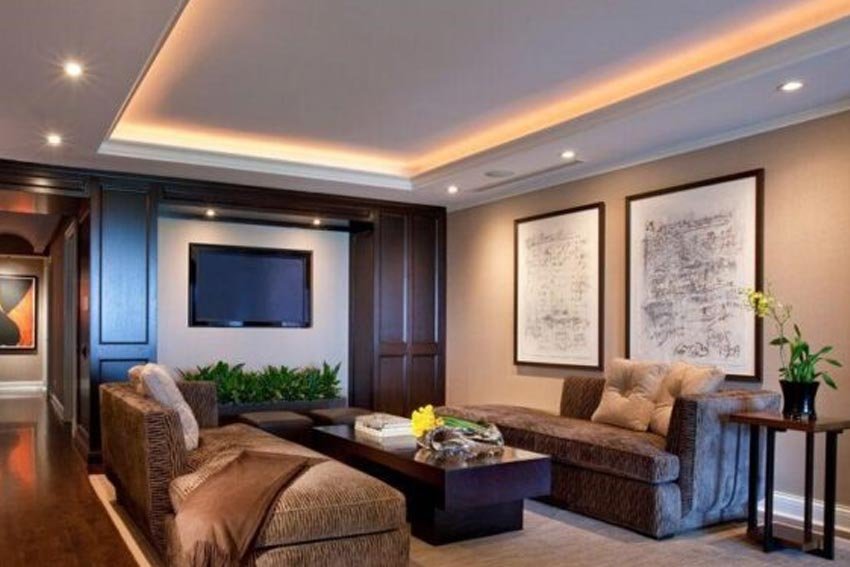
Achieving comfortable and safe movement within indoor spaces relies heavily on how well we can judge distances, steps, and objects around us. Lighting for depth perception plays a crucial role in helping people of all ages—especially older adults or those with vision challenges—navigate their homes and workplaces with confidence. The way light is distributed, its color, and its intensity all influence how easily our eyes interpret depth, contrast, and spatial relationships.
Many accidents in homes occur due to poor visibility or misjudging distances, often caused by inadequate or poorly designed lighting. By understanding the principles behind effective illumination, you can make informed choices that not only enhance the look of your interiors but also significantly improve safety and comfort. Whether you’re updating a living room, renovating a bathroom, or simply looking to make your home more accessible, thoughtful lighting design is a key investment.
For those interested in bathroom safety, you may also want to learn about walk-in shower grab bar weight ratings to ensure proper support in wet areas.
Why Depth Perception Matters Indoors
Our ability to perceive depth is what allows us to judge how far away objects are, step confidently onto stairs, and avoid obstacles. Indoors, this skill is especially important in areas with changes in floor level, such as steps, thresholds, or sunken living rooms. Poor lighting can flatten the appearance of a space, making it difficult to distinguish between different surfaces or objects. This can lead to trips, falls, and general discomfort.
Effective lighting for depth perception enhances contrast, highlights transitions, and helps our eyes quickly adapt to different zones within a room. This is particularly beneficial for people with reduced vision or those who are aging, as the eye’s ability to adjust to low light and perceive contrast naturally declines over time.
Principles of Lighting That Enhance Depth Perception
To create an environment where depth cues are clear, it’s important to understand a few key lighting principles:
- Layered Lighting: Combining ambient, task, and accent lighting adds dimension and prevents flat, shadowless spaces.
- Contrast and Shadows: Gentle shadows help define edges and surfaces, making it easier to judge distances.
- Directional Lighting: Lights that come from different angles (such as wall sconces or under-cabinet lights) can highlight textures and steps.
- Color Temperature: Warmer light (2700K–3000K) is comfortable for living spaces, while cooler light (4000K–5000K) can increase contrast in work areas.
- Glare Control: Avoiding harsh, direct light sources prevents eye strain and helps maintain clear vision.
Types of Fixtures That Support Depth Perception
Choosing the right fixtures can make a significant difference in how well you perceive depth indoors. Here are some options to consider:
- Recessed Lighting: These fixtures provide even illumination and can be strategically placed to reduce shadows in hallways and open spaces.
- Wall Sconces: Mounted at eye level, sconces add side lighting that enhances facial features and architectural details.
- Under-Cabinet and Step Lights: These are ideal for kitchens, stairs, and pathways, highlighting changes in elevation and surface.
- Accent Lights: Spotlights or track lights can be used to draw attention to artwork, plants, or textured walls, adding depth to flat surfaces.
- Motion Sensor Night Lights: These provide low-level illumination at night, helping you safely navigate without turning on harsh overhead lights.
Best Practices for Home Lighting Layouts
Implementing a thoughtful lighting plan can transform the way you experience your home. Here are some practical tips to maximize depth cues and visual comfort:
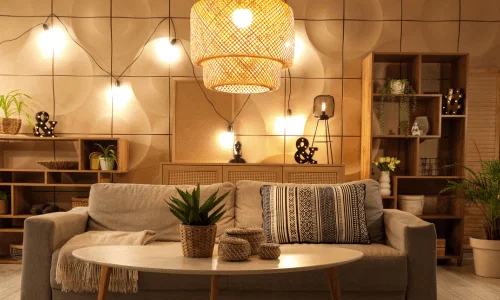
- Use Multiple Light Sources: Instead of relying on a single overhead fixture, combine ceiling lights with lamps, sconces, and accent lighting.
- Highlight Changes in Elevation: Place step lights or LED strips along stairs and thresholds to make transitions more visible.
- Balance Brightness: Avoid areas that are too dim or overly bright. Use dimmers to adjust light levels throughout the day.
- Enhance Contrast: Use light and dark colors in decor and finishes to help define edges and surfaces.
- Reduce Glare: Choose fixtures with diffusers or shades, and position lights so they don’t shine directly into your eyes.
Special Considerations for Seniors and Low Vision
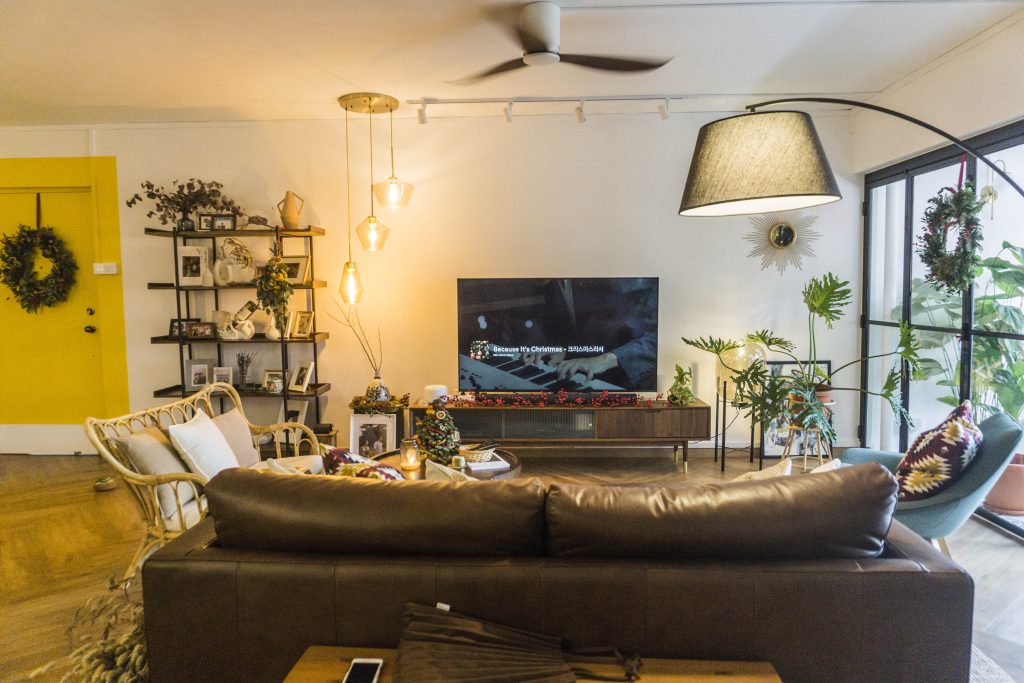
As we age, our eyes become less sensitive to light and contrast, making it harder to perceive depth indoors. For seniors and those with low vision, prioritizing lighting for depth perception can greatly reduce the risk of falls and improve independence.
- Increase Overall Illumination: Use higher lumen bulbs and ensure even coverage throughout the home.
- Mark Edges and Obstacles: Use contrasting tape or paint on stair edges, and illuminate these areas with dedicated fixtures.
- Install Motion-Activated Lights: These are especially helpful in hallways, bathrooms, and bedrooms for nighttime navigation.
- Minimize Floor Clutter: Good lighting is most effective when pathways are clear and unobstructed.
For those considering bathroom upgrades, understanding walk-in tub frame construction types can further enhance safety and accessibility.
Common Mistakes to Avoid
Even with the best intentions, certain lighting choices can undermine depth cues and create hazards. Here are some pitfalls to watch out for:
- Single Source Lighting: Relying solely on one fixture can create harsh shadows and leave areas under-lit.
- Overly Bright or Cool Lights: Excessively bright or blue-toned lights can cause glare and discomfort.
- Ignoring Task Areas: Failing to provide focused lighting in kitchens, bathrooms, or reading nooks reduces both safety and usability.
- Poor Fixture Placement: Lights that shine directly into eyes or reflect off glossy surfaces can obscure depth cues.
FAQ: Indoor Lighting and Depth Perception
What types of lighting best improve depth perception in living spaces?
The most effective approach combines ambient, task, and accent lighting. Layered lighting creates gentle shadows and highlights, which help define objects and surfaces. Recessed lights, wall sconces, and under-cabinet fixtures are all excellent choices for enhancing spatial awareness.
How can I make stairs and thresholds safer with lighting?
Install step lights or LED strips along the edges of stairs and thresholds. This makes changes in elevation more visible and reduces the risk of tripping. Using contrasting colors on stair treads and risers, combined with focused lighting, further improves safety.
Are motion sensor night lights helpful for depth perception?
Yes, motion sensor night lights provide low-level illumination that helps you see obstacles and changes in floor level at night without the need for harsh overhead lights. They are especially useful in hallways, bathrooms, and bedrooms.
Conclusion: Creating Safer, More Comfortable Spaces
Thoughtful lighting for depth perception is about more than just aesthetics—it’s a key factor in creating safe, accessible, and enjoyable indoor environments. By layering different types of light, highlighting transitions, and choosing fixtures that reduce glare, you can make every room in your home easier to navigate and more visually appealing. Whether you’re planning a full renovation or making small upgrades, prioritizing visibility and contrast will benefit everyone who uses the space.