
Proper lighting for tight spaces safely is essential for both functionality and comfort. Whether you’re working with a compact hallway, a small bathroom, a narrow closet, or a low-ceilinged basement, the right illumination can make these areas feel larger, safer, and more inviting. However, finding effective lighting options for confined areas comes with unique challenges—limited space, awkward layouts, and the need to avoid glare or shadows.
This guide explores practical strategies and fixture types to help you brighten up even the smallest nooks without sacrificing safety or style. We’ll also highlight installation tips, energy-efficient choices, and ways to address specific needs in residential and utility spaces.
When planning your next renovation or upgrade, it’s also important to consider other accessibility and safety features. For example, understanding walk-in shower grab bar weight ratings can help ensure your bathroom is both well-lit and secure for all users.
Key Considerations for Safe Lighting in Small Areas
Before selecting fixtures, it’s crucial to assess the unique requirements of your space. Lighting for tight spaces safely involves more than just brightness; it’s about minimizing hazards, avoiding heat buildup, and ensuring easy access to switches or controls.
- Clearance: Choose low-profile fixtures to prevent bumps or snags in narrow corridors or closets.
- Moisture Resistance: In bathrooms, laundry rooms, or basements, opt for damp- or wet-rated lights to reduce electrical risks.
- Glare and Shadows: Use diffused or indirect lighting to avoid harsh shadows that can make small spaces feel even more cramped.
- Energy Efficiency: LED options generate less heat and use less power, making them ideal for confined environments.
Types of Fixtures Ideal for Compact Spaces
Selecting the right fixture style is essential for both safety and aesthetics. Here are some of the most effective options for illuminating small or awkward areas:
Recessed and Flush-Mount Lights
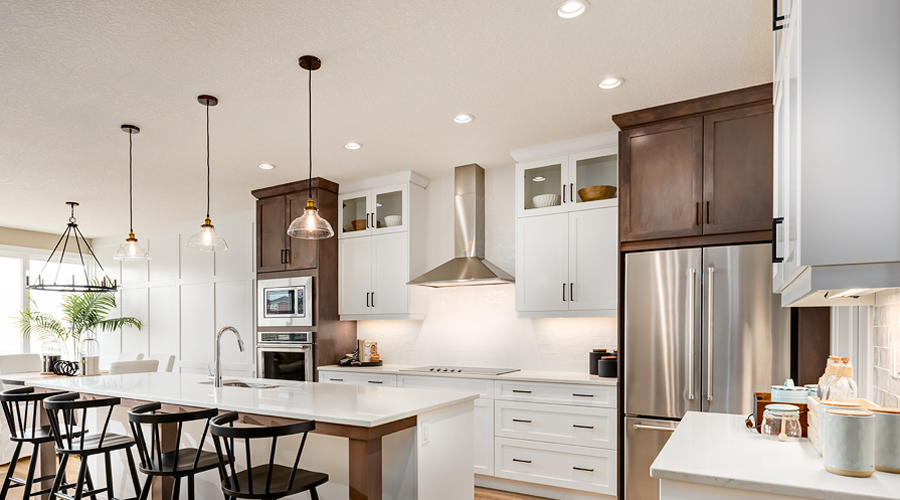
Recessed lighting, also known as can lights or downlights, sits flush with the ceiling or wall, making it perfect for spaces with low clearance. These fixtures provide even, unobtrusive illumination and are available in a variety of sizes and beam angles. Flush-mount ceiling lights are another excellent choice for rooms where pendant or chandelier fixtures would be impractical.
LED Strip and Tape Lighting
Flexible LED strips can be installed under cabinets, along shelves, or inside closets to provide targeted illumination without taking up valuable space. They’re especially useful for highlighting work surfaces or creating ambient effects in kitchens and bathrooms.

Motion Sensor and Night Lights
For safety in hallways, stairwells, or utility rooms, motion-activated night lights are a smart addition. They provide hands-free illumination when you enter the space, reducing the risk of tripping or fumbling for switches in the dark.
Installation Tips for Lighting in Narrow or Confined Areas
Installing lighting for tight spaces safely requires attention to detail. Here are some practical tips:
- Always turn off power at the breaker before installing or replacing fixtures.
- Use fixtures rated for the specific environment (damp, wet, or dry).
- When possible, position lights to minimize shadows and maximize usable light.
- Consider professional installation for hardwired fixtures, especially in bathrooms or basements.
- For closets or cabinets, battery-powered LED puck lights offer easy, tool-free installation.
For more details on fixture types and their applications, see this comprehensive guide to light fixture types.
Maximizing Light Output and Efficiency
In confined areas, every lumen counts. Here’s how to get the most from your lighting setup:
- Use Reflective Surfaces: Light-colored walls, ceilings, and floors help bounce light around, making the area feel brighter.
- Opt for Higher CRI LEDs: High Color Rendering Index (CRI) bulbs show colors more accurately, which is especially important in workspaces or bathrooms.
- Layer Lighting: Combine ambient, task, and accent lighting to reduce shadows and create a balanced effect.
- Smart Controls: Dimmers, timers, and motion sensors can help save energy and extend bulb life.
Common Applications and Room-by-Room Ideas
Here are some practical suggestions for using lighting for tight spaces safely in various parts of your home:
- Hallways: Install recessed or slim-profile wall sconces to avoid obstructing walkways.
- Closets: Use LED strip lights or motion-activated puck lights for easy access and energy savings.
- Bathrooms: Choose vapor-proof ceiling lights and consider adding a backlit mirror for extra brightness.
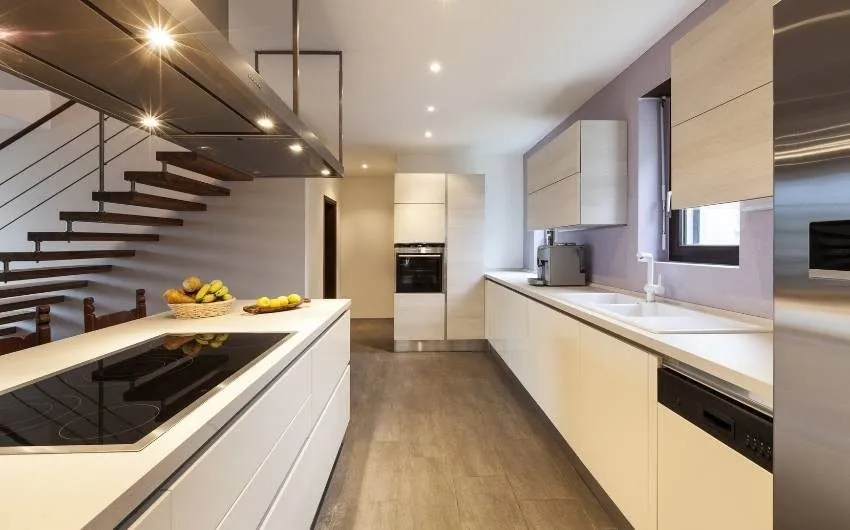
- Kitchens: Under-cabinet lighting makes food prep safer and more pleasant.
- Utility Rooms: Bright, even lighting helps prevent accidents and makes tasks easier.
If you’re also considering upgrades to your bathroom, you may want to learn about walk-in tub faucet types and flow rates for improved accessibility and comfort.
Frequently Asked Questions
What is the safest type of lighting for small, enclosed spaces?
The safest options are low-profile LED fixtures, such as recessed lights or flush-mount ceiling lights. These generate minimal heat, reduce fire risk, and are less likely to be accidentally bumped or damaged in confined areas.
How can I increase brightness in a windowless room?
Use multiple light sources—such as a combination of ceiling lights, wall sconces, and under-cabinet strips—to eliminate shadows. Light-colored paint and reflective surfaces will also help maximize the effect of your fixtures.
Are motion sensor lights a good idea for tight spaces?
Yes, motion-activated lights are excellent for hallways, closets, and stairwells. They provide instant illumination without the need for switches, improving both safety and convenience.
Conclusion
Thoughtful planning and the right fixture choices can transform even the smallest, most awkward spaces into well-lit, functional areas. By focusing on lighting for tight spaces safely, you can enhance safety, comfort, and energy efficiency throughout your home. For more information on accessibility and home improvement, explore resources on topics like understanding walk-in tub warranty terms or insurance coverage for walk-in tubs.