
Navigating from one room to another, especially in the evening or early morning, can present challenges for people of all ages. Proper lighting for safe transitions is essential to reduce the risk of trips and falls, create a welcoming atmosphere, and support independence for everyone in the household. Whether you are updating your home for aging in place, accommodating guests, or simply aiming for better visibility, understanding the right lighting strategies can make a significant difference.
This article explores practical approaches to improving indoor lighting at thresholds, hallways, and other transition zones. We’ll cover fixture types, placement tips, and key considerations for maximizing both safety and comfort. For those interested in bathroom safety upgrades, you may also want to learn about walk-in shower grab bar weight ratings to ensure comprehensive support throughout your home.
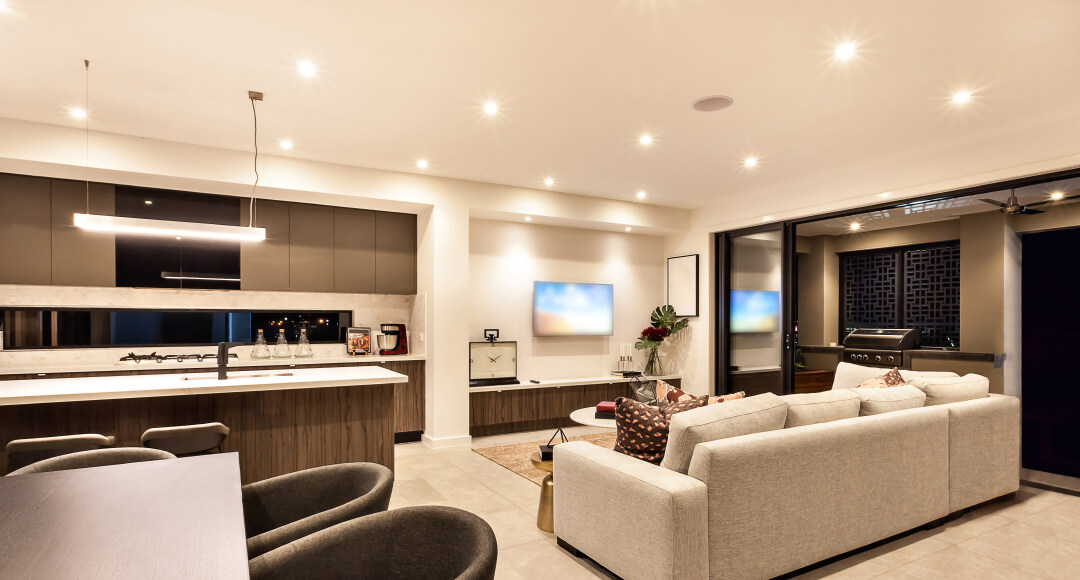
Why Proper Lighting Matters for Indoor Pathways
Well-designed illumination in transition areas like hallways, entryways, and staircases is more than just a matter of aesthetics. It’s a critical element of home safety, especially for children, older adults, and anyone with vision or mobility challenges. Insufficient or poorly placed lights can obscure hazards such as steps, thresholds, or changes in flooring, increasing the risk of accidents.
- Reduces fall risk: Bright, even lighting helps everyone see obstacles and changes in elevation.
- Supports independence: Good lighting enables people to move confidently between rooms without assistance.
- Improves comfort: Soft, glare-free light makes transitions less jarring, especially at night.
Key Principles of Lighting for Safe Transitions
To create safer and more accessible indoor pathways, consider these foundational principles:
- Uniformity: Avoid sharp contrasts between brightly lit and dim areas. Consistent light levels help eyes adjust smoothly.
- Layering: Combine ambient, task, and accent lighting for flexibility and coverage.
- Minimize Glare: Use diffusers, frosted bulbs, or indirect fixtures to prevent harsh reflections that can obscure hazards.
- Automatic Controls: Motion sensors and timers ensure lights are on when needed, even if hands are full or switches are out of reach.
Best Fixture Types for Transition Zones
Selecting the right fixtures is crucial for effective lighting for safe transitions. Here are some of the most effective options for hallways, stairs, and doorways:
- Recessed Lights: These fixtures provide even, unobtrusive illumination along corridors and entryways. They’re ideal for low ceilings and can be spaced to eliminate dark spots.
- Wall Sconces: Mounted at eye level, sconces add both style and functional light to narrow spaces.
- Motion Sensor Night Lights: Plug-in or battery-powered models automatically activate when movement is detected, guiding safe passage at night.
- Step and Stair Lights: Small, low-level fixtures installed along stair risers or walls highlight each step, reducing the risk of missteps.
- Pendant and Ceiling Fixtures: In larger transition areas, overhead lights with wide coverage ensure no area is left in shadow.

Placement Tips for Safer Indoor Navigation
Where you install lighting is just as important as the type of fixture you choose. Follow these tips to maximize safety and visibility:
- Hallways: Space ceiling or wall lights every 6–8 feet to avoid dark patches. Use dimmable fixtures to adjust brightness for different times of day.
- Staircases: Install lights at the top and bottom of stairs, and consider step lights for added definition. Ensure switches are accessible from both ends.
- Doorways and Thresholds: Place fixtures to illuminate both sides of the transition, reducing shadows that can obscure changes in flooring.
- Bathrooms: Use night lights or motion-activated fixtures to guide safe entry, especially for nighttime use. For more on bathroom accessibility, see our guide on walk-in tub frame construction types.
Choosing the Right Bulbs and Controls
The quality and control of your lighting can further enhance safety and comfort:
- Color Temperature: Warm white (2700K–3000K) is gentle on the eyes and ideal for night use, while cool white (3500K–4100K) offers crisp visibility for daytime transitions.
- Brightness: Aim for at least 300–500 lumens per fixture in hallways and transition zones. Too much brightness can cause glare, so adjust as needed.
- Smart Controls: Dimmers, timers, and motion sensors automate lighting, ensuring spaces are always safely lit when in use.
- Energy Efficiency: LED bulbs provide long-lasting, low-heat illumination that’s cost-effective and eco-friendly.
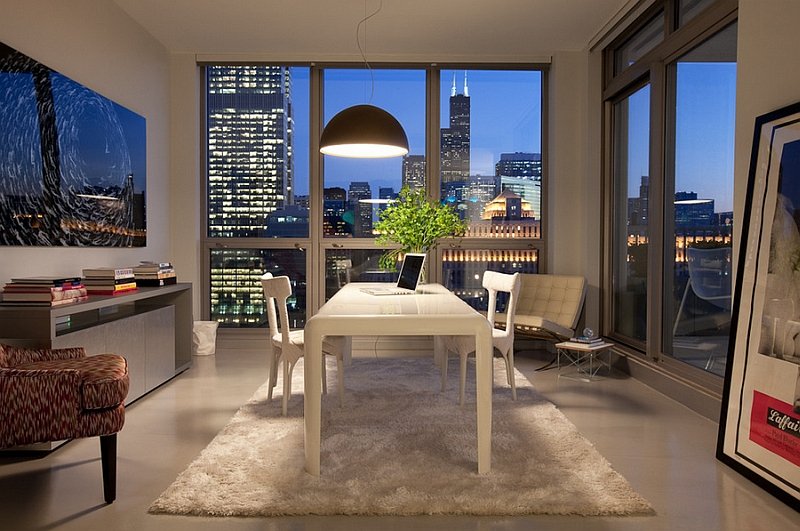
Common Mistakes to Avoid in Indoor Lighting
Even with the best intentions, certain oversights can compromise the effectiveness of your lighting for safe transitions:
- Overlooking Shadows: Furniture, doors, or architectural features can cast shadows that hide hazards. Adjust fixture placement to minimize these risks.
- Ignoring Switch Accessibility: Place light switches at both ends of hallways and stairs, and consider rocker or illuminated switches for easier use.
- Using Inconsistent Bulbs: Mixing color temperatures or brightness levels can create confusing visual cues. Stick to a unified lighting plan for each area.
- Neglecting Maintenance: Burned-out bulbs or malfunctioning sensors can leave areas unexpectedly dark. Check and replace lighting components regularly.
Integrating Lighting with Other Safety Features
Enhanced lighting works best when combined with other home safety upgrades. For example, pairing well-lit pathways with sturdy handrails or non-slip flooring can further reduce the risk of accidents. If you’re interested in comprehensive bathroom safety, you may also want to review our article on understanding walk-in tub warranty terms to ensure your investments are protected.
Frequently Asked Questions
What is the best type of lighting for hallways and stairs?
For hallways and stairs, recessed ceiling lights or wall sconces spaced evenly provide consistent illumination. Step lights or motion-activated night lights add extra safety, especially at night. Choose fixtures that minimize glare and offer sufficient brightness without being harsh.
How can I improve lighting in my home without major renovations?
Plug-in motion sensor night lights, battery-powered step lights, and adhesive LED strips are easy upgrades that don’t require wiring. Swapping out bulbs for brighter, energy-efficient LEDs and adding smart controls can also make a big difference quickly.
Are there specific lighting recommendations for homes with seniors?
Yes, homes with older adults benefit from uniform, glare-free lighting in all transition areas. Motion-activated fixtures, illuminated switches, and warm color temperatures help prevent falls and make nighttime navigation easier. Pair lighting upgrades with other safety features like grab bars and non-slip mats for comprehensive protection.