
Safety in spaces prone to moisture, spills, or condensation is a top priority for both homeowners and facility managers. Whether it’s a bathroom, kitchen, laundry room, or entryway, the right lighting for slippery floors can make a significant difference in preventing accidents and improving visibility. Proper illumination not only highlights potential hazards but also helps people move confidently, even in challenging conditions.
This article explores how to select and position lighting to reduce risks in wet or slick environments. We’ll cover essential lighting types, placement strategies, and practical tips to ensure your floors are as safe as possible. For those upgrading bathrooms, you may also want to review walk-in shower grab bar weight ratings to further enhance safety.
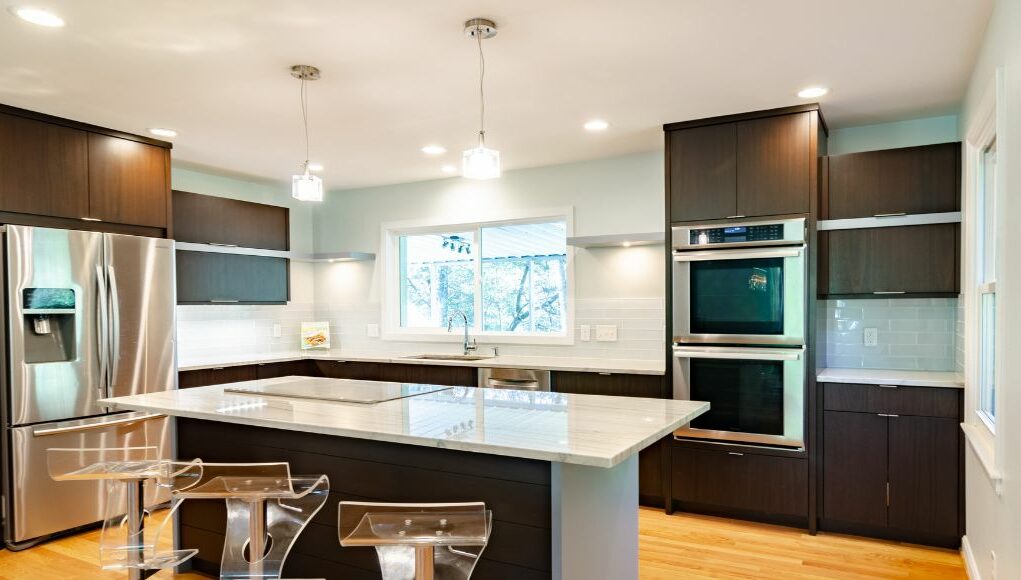
Why Proper Illumination Matters in Wet and Slippery Spaces
In areas where water, condensation, or cleaning products are common, the risk of slips and falls increases. Insufficient or poorly placed lighting can hide puddles, glossy surfaces, or uneven transitions, making it harder for people to spot hazards in time. Effective lighting for slippery floors addresses these issues by:
- Reducing shadows and glare that obscure wet patches
- Highlighting transitions between surfaces (e.g., tile to wood)
- Making reflective or glossy flooring easier to navigate
- Supporting the use of safety features like grab bars and non-slip mats
According to this guide to lighting types, the right combination of ambient, task, and accent lighting can dramatically improve safety and comfort in high-risk areas.
Key Lighting Types for Wet and Slippery Areas
Not all light fixtures are suitable for damp or wet environments. When choosing lighting for kitchens, bathrooms, mudrooms, or laundry spaces, consider the following options:
- LED Recessed Lights: These fixtures are flush with the ceiling, minimizing obstructions and providing even, shadow-free illumination. Many models are rated for damp or wet locations, making them ideal for bathrooms and kitchens.
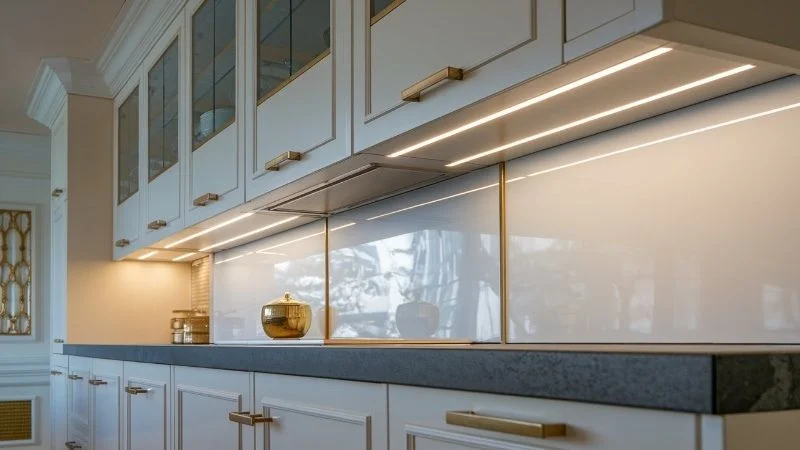
- Under-Cabinet Lighting: In kitchens and laundry rooms, under-cabinet LEDs brighten countertops and floors directly below, reducing dark spots where spills might go unnoticed.
- Motion Sensor Night Lights: These are especially useful in bathrooms or hallways, automatically activating when someone enters, ensuring the floor is always visible without fumbling for switches.
- Waterproof Fixtures: For areas exposed to direct water (like shower stalls), choose fixtures specifically rated for wet locations to prevent electrical hazards.
Placement Strategies for Safer Floors
The effectiveness of lighting for wet floors depends not just on the type of fixture, but also on how and where it’s installed. Here are some best practices:
- Even Coverage: Avoid isolated bright spots or deep shadows. Use multiple fixtures to distribute light uniformly across the entire floor area.
- Highlight Entry Points: Place lights near doorways, especially where wet shoes or umbrellas may create slippery patches.
- Accent Transitions: Use accent lighting or directional fixtures to draw attention to changes in flooring material, steps, or thresholds.
- Task Lighting: In kitchens and laundry rooms, ensure work areas are well-lit so spills or splashes are easy to spot and clean up promptly.
- Night Lighting: Install low-level night lights in bathrooms and hallways to prevent accidents during nighttime visits.
For those considering bathroom upgrades, understanding walk-in tub frame construction types can further support a comprehensive approach to safety.
Choosing Fixtures for Moisture-Prone Environments
When selecting lighting for areas with frequent moisture, always check the manufacturer’s rating. Look for fixtures labeled “damp location” (suitable for areas with occasional condensation) or “wet location” (safe for direct water exposure). Materials like sealed glass, corrosion-resistant metals, and waterproof gaskets are essential for longevity and safety.
LED technology is especially well-suited for these environments. LEDs generate less heat, reducing the risk of condensation, and many models are available with sealed housings. Additionally, LEDs offer excellent color rendering, making it easier to spot spills or slick spots on the floor.

Additional Tips for Maximizing Safety
- Use Non-Slip Mats: Even with optimal lighting, non-slip mats in high-risk zones add an extra layer of protection.
- Regular Maintenance: Clean fixtures and bulbs regularly to prevent dust or moisture buildup, which can reduce light output and create uneven illumination.
- Combine with Other Safety Features: Pair lighting upgrades with grab bars, especially in bathrooms. For more on this, see understanding walk-in tub warranty terms to ensure your safety investments are protected.
- Test at Night: Walk through the area after dark to identify any dim spots or glare that could obscure hazards.
Frequently Asked Questions
What type of lighting is best for bathrooms with slippery floors?
For bathrooms, choose fixtures rated for damp or wet locations, such as LED recessed lights with sealed housings. Motion sensor night lights are also helpful for nighttime safety. Even, glare-free illumination is key to spotting wet patches and reducing slip risks.
How can lighting help prevent slips in kitchens and laundry rooms?
Bright, evenly distributed lighting—especially under-cabinet LEDs—makes it easier to see spills and wet spots on the floor. Proper placement near sinks, appliances, and entryways ensures that hazards are visible and can be addressed promptly.
Are there specific safety standards for lighting in wet or slippery areas?
Yes. Always look for fixtures labeled “damp location” or “wet location” by the manufacturer. These ratings indicate the fixture’s ability to withstand moisture and reduce the risk of electrical hazards in environments where water is present.
Conclusion
Investing in the right lighting for slippery floors is a practical and effective way to enhance safety in any space prone to moisture or spills. By choosing suitable fixtures, ensuring even coverage, and combining lighting with other safety measures, you can significantly reduce the risk of slips and falls. Whether you’re updating a home or a commercial facility, thoughtful lighting design is an essential part of a comprehensive safety plan.