
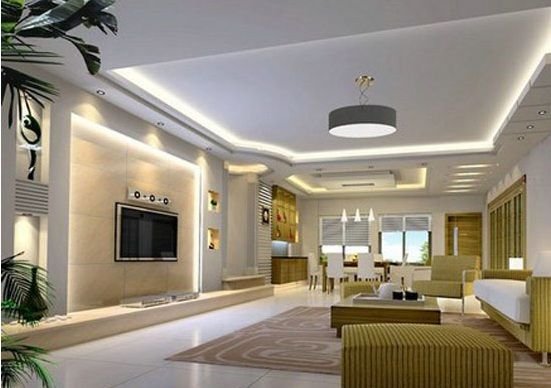
Navigating your home after dark can present unexpected hazards, especially for older adults, children, or anyone with mobility concerns. Proper lighting for safe night walks is essential to minimize trips, falls, and other accidents that can occur in dimly lit spaces. Whether you’re heading to the bathroom, kitchen, or simply moving between rooms, the right illumination makes a significant difference in both safety and comfort.
This article explores practical strategies for improving nighttime visibility indoors, from selecting the best types of fixtures to optimizing their placement. We’ll also discuss how to incorporate modern lighting solutions, such as motion sensors and energy-efficient bulbs, to enhance safety without sacrificing convenience or style.
For those interested in additional home safety measures, understanding walk-in shower grab bar weight ratings can further reduce risks, especially in bathrooms where slips are common.
Why Nighttime Illumination Matters for Home Safety
Insufficient lighting is a leading cause of household accidents after dark. Shadows, unexpected obstacles, and uneven flooring can all contribute to falls or injuries. By prioritizing lighting for safe night walks, you create a safer environment for everyone in your household, particularly for those who may be more vulnerable to accidents.
- Reduces fall risk: Well-lit pathways make it easier to spot hazards.
- Improves confidence: Knowing that walkways are visible encourages independence, especially for seniors.
- Enhances comfort: Gentle, targeted lighting prevents harsh glare and supports restful sleep patterns.
Key Areas to Illuminate for Nighttime Navigation
Not every area of your home needs to be as bright as day. Focus on illuminating the most frequently used paths and spaces where hazards are most likely to occur. Consider these locations:
- Hallways and corridors: These are common routes between bedrooms, bathrooms, and living spaces.
- Staircases: Steps are a major tripping hazard in low light. Install fixtures at both the top and bottom of stairs.
- Entryways: Ensure that doors and thresholds are clearly visible to prevent stumbles.
- Bathrooms: Soft, indirect lighting can guide nighttime visits without disrupting sleep.
- Kitchen and dining areas: Under-cabinet or toe-kick lights help prevent accidents when grabbing a late-night snack or drink.
Choosing the Right Fixtures and Bulbs
Selecting appropriate lighting fixtures and bulbs is crucial for both safety and energy efficiency. Here are some effective options for safe night walk lighting throughout your home:
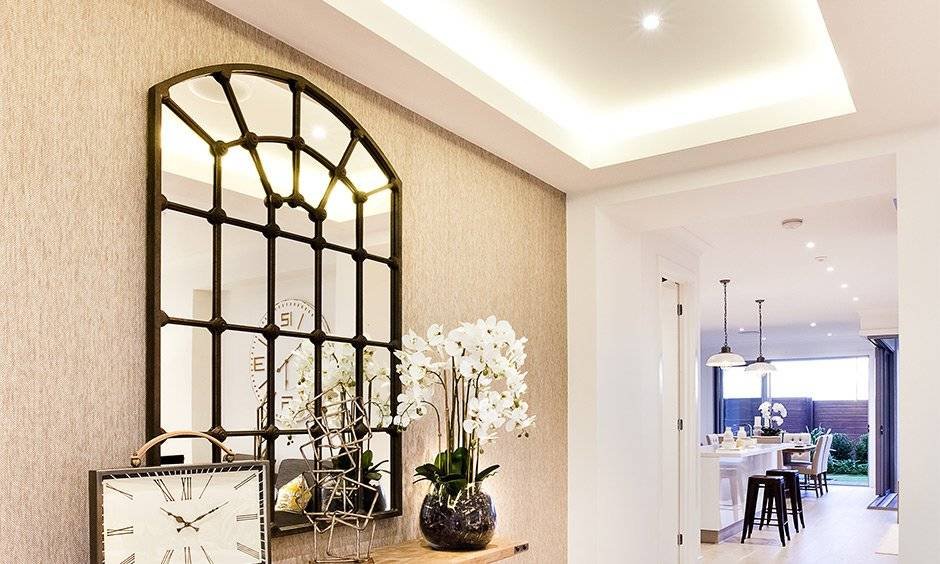
- LED night lights: Plug-in models with dusk-to-dawn sensors automatically turn on in low light, providing subtle illumination without wasting energy.
- Motion-activated lights: These are ideal for hallways and bathrooms, lighting up only when movement is detected.
- Recessed lighting: Low-profile fixtures can be installed in ceilings or walls to provide consistent, glare-free light along walkways.
- Smart bulbs: Wi-Fi or Bluetooth-enabled bulbs can be programmed to turn on at specific times or controlled remotely via smartphone.
- Under-cabinet and toe-kick lights: These are perfect for kitchens and bathrooms, offering targeted illumination that doesn’t disturb others.
Placement Strategies for Optimal Safety
The effectiveness of your lighting depends not just on the type of fixture, but also on where it’s installed. Here are some placement tips to maximize safety during nighttime movement:
- Even spacing: Avoid dark patches by spacing lights evenly along hallways and stairs.
- Low-level lighting: Install fixtures closer to the floor to illuminate pathways without creating harsh overhead glare.
- Highlight transitions: Place lights near doorways, thresholds, and changes in flooring to signal potential trip hazards.
- Bathroom guidance: Use dimmable or motion-activated lights to softly illuminate the route to the bathroom, minimizing sleep disruption.
- Stair safety: Consider LED strip lights or step lights for each stair riser to clearly define edges.
Energy Efficiency and Cost Considerations
Modern lighting solutions can keep your home safe at night without significantly increasing your energy bill. Here’s how to balance safety and efficiency:
- LED bulbs: These use a fraction of the energy of traditional incandescent bulbs and last much longer.
- Smart timers and sensors: Automatically turn lights on only when needed, reducing unnecessary usage.
- Low-wattage options: Choose bulbs that provide enough illumination for safety without excessive brightness.
Investing in energy-efficient lighting not only improves safety but also saves money over time. For those considering bathroom upgrades, learning about walk-in tub faucet types and flow rates can further enhance both comfort and efficiency.
Style and Aesthetics: Blending Safety with Design
Safety lighting doesn’t have to look utilitarian. Many modern fixtures are designed to blend seamlessly with your home’s décor, offering both function and style. Consider finishes and shapes that complement your existing interior while still providing adequate illumination.
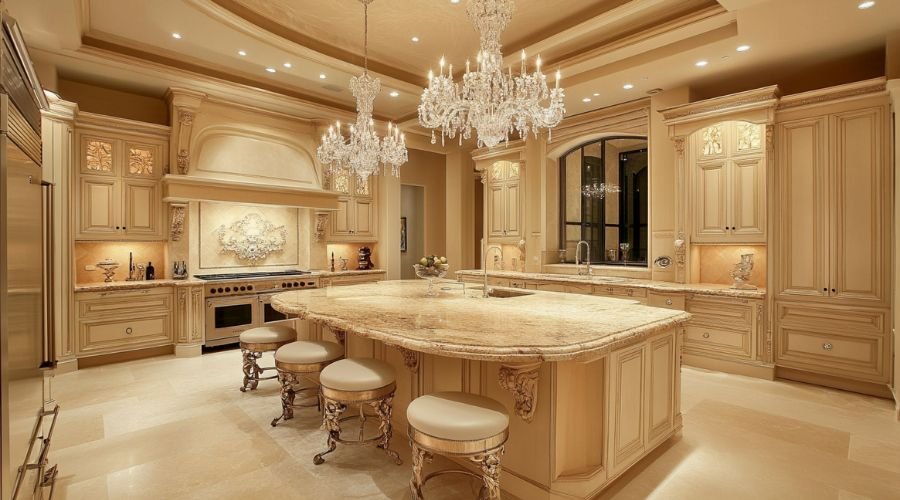
- Decorative wall sconces: Add elegance to hallways while providing essential light.
- Chandeliers and pendant lights: Offer a focal point in entryways or stairwells while improving visibility.
- Discreet LED strips: Tuck beneath cabinets or along baseboards for a modern, unobtrusive look.
Maintenance and Upkeep for Reliable Nighttime Lighting
Even the best lighting system requires regular attention to remain effective. Here are some simple maintenance tips:
- Check bulbs regularly: Replace any that have burned out or are flickering.
- Clean fixtures: Dust and grime can reduce light output, so wipe down covers and lenses periodically.
- Test sensors: Ensure motion-activated lights respond promptly and adjust sensitivity as needed.
- Review placement: As your household’s needs change, reassess whether additional fixtures are needed in new areas.
Frequently Asked Questions
What type of lighting is best for nighttime safety in hallways?
For hallways, low-level LED night lights or motion-activated fixtures are ideal. They provide enough illumination to see obstacles without being overly bright or disruptive to sleep. Recessed wall lights or plug-in night lights with sensors are both effective and energy-efficient.
How can I make my stairs safer to use at night?
Install step lights or LED strips along the stair risers to clearly outline each step. Ensure there is a light switch at both the top and bottom of the staircase, and consider motion-activated options for added convenience. Consistent, even lighting is key to preventing missteps.
Are motion sensor lights a good choice for bedrooms?
Motion sensor lights can be helpful in bedrooms, especially for children or older adults who may need to get up at night. Choose dimmable or low-brightness models to avoid harsh light that could disrupt sleep. Place them near the floor or along the path to the bathroom for best results.
How do I balance safety lighting with energy savings?
Use LED bulbs, which consume less power and last longer than traditional bulbs. Incorporate timers, dimmers, and motion sensors to ensure lights are only on when needed. Select low-wattage bulbs for night lights and focus on illuminating only the most essential pathways.
For more information on home safety upgrades, you might also be interested in learning about are walk-in tubs covered by insurance and how these features can support a safer living environment.