
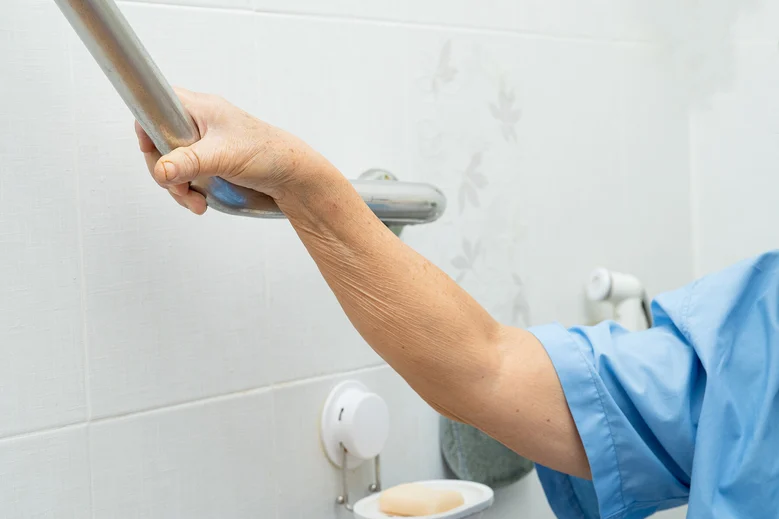
Falls in the home are a leading cause of injury, especially for older adults and anyone with limited mobility. Installing safety bars in key areas can make daily activities safer and more comfortable, providing reliable support where it’s needed most. Knowing where to install safety bars at home is essential for maximizing their effectiveness and ensuring peace of mind for everyone in the household.
This guide covers the most important locations for grab bars and rails, practical installation tips, and how to choose the right equipment for each space. For a broader look at home modifications that support aging in place, see the aging in place home improvement checklist.
Key Areas for Installing Grab Bars in the Bathroom
The bathroom is one of the most common places for slips and falls. Properly placed grab bars can make a significant difference in safety and independence. Here are the most effective spots to install them:
- Next to the Toilet: Place bars on the wall beside and behind the toilet to assist with sitting and standing. For extra stability, consider toilet safety rails that provide support on both sides.
- Inside and Outside the Shower or Tub: Install vertical or angled bars at the entrance to help with stepping in and out, and horizontal bars inside for steadying while bathing.
- Near the Sink: A small bar near the sink can help with balance during grooming tasks.
Best Locations for Support Bars in Living Spaces
Falls can happen anywhere in the home, not just in the bathroom. Adding support bars in high-traffic areas and places where transitions occur can greatly reduce risk. Consider these locations:
- Hallways and Entryways: Install bars along long hallways or near the front and back doors to provide support when entering or exiting the home.
- Stairways: Handrails are critical on both sides of any staircase, including short steps or sunken living rooms.
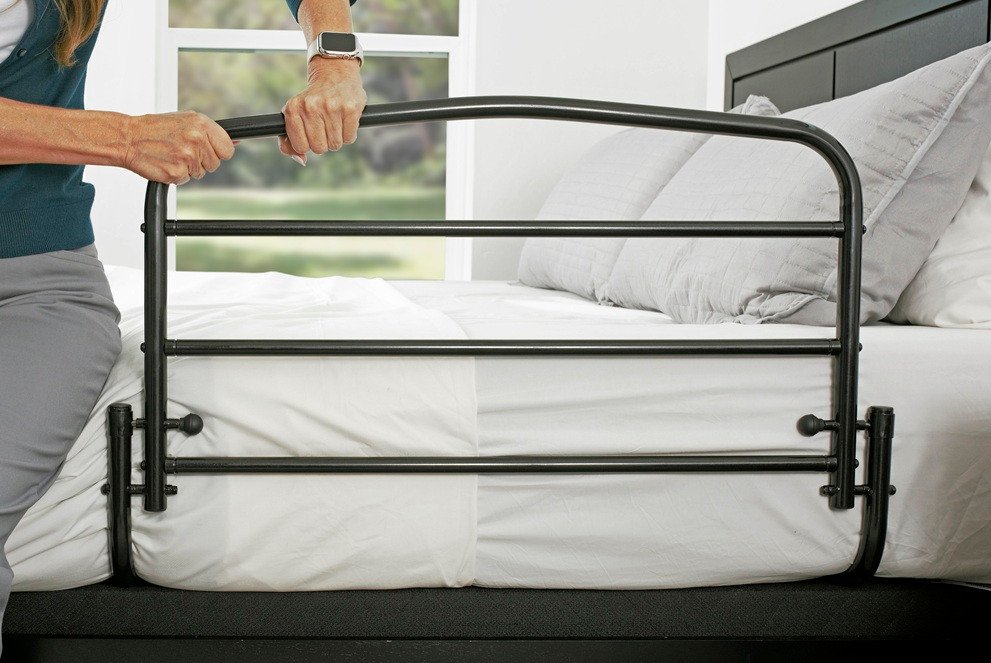
- Beside the Bed: A grab bar or bed rail can help with getting in and out of bed safely, especially at night.
For more strategies on making your home safer for older adults, see home safety for elderly couples and understanding fall risks in older adults.
How to Choose the Right Grab Bar for Each Room
Not all grab bars are created equal. The type, size, and placement should match the specific needs of each room and user. Here are some important considerations:
- Material: Stainless steel and heavy-duty plastic are common choices. Stainless steel is more durable and easier to clean.
- Length and Shape: Longer bars (18–24 inches) offer more gripping area. Some areas benefit from angled or vertical bars for easier leverage.
- Mounting: Wall-mounted bars are the most secure. Avoid suction-cup bars for primary support, as they can detach unexpectedly.
- Weight Capacity: Check the manufacturer’s specifications to ensure the bar can support the user’s weight.
For a detailed installation walkthrough, refer to this step-by-step grab bar installation guide for best practices and safety tips.
Installation Tips for Maximum Support
Proper installation is crucial for grab bars to provide reliable support. Here’s how to ensure your bars are both safe and effective:
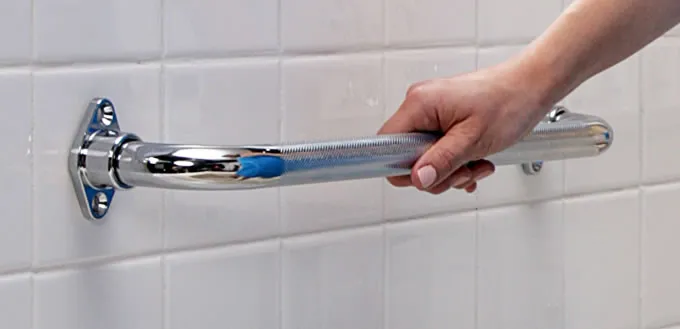
- Secure to Wall Studs: Always mount bars into wall studs, not just drywall, to ensure they can handle weight and force.
- Correct Height: Standard height for horizontal bars is 33–36 inches from the floor, but adjust as needed for user comfort and reach.
- Use the Right Hardware: Stainless steel screws and anchors designed for grab bars are essential for long-term durability.
- Test After Installation: Firmly pull on the bar to check for movement. It should feel solid and not shift under pressure.
If you’re unsure about installation, consider hiring a professional or consulting a certified aging-in-place specialist. For more on accessibility improvements, see improving quality of life through accessibility.
Additional Considerations for Home Safety Bars
While the bathroom and hallways are the most common places, don’t overlook other areas where support may be needed:
- Kitchen: Near the stove or sink, especially if the user stands for long periods or moves between appliances.
- Garage or Laundry Room: At steps or transitions between different floor levels.
- Outdoor Steps: Weather-resistant bars can be installed at entrances, patios, or decks.
Regularly check all support bars for signs of wear or looseness, and replace or tighten as needed. This small maintenance step can prevent accidents and ensure ongoing safety.
FAQ: Common Questions About Home Grab Bar Placement
What is the best height for installing grab bars in the bathroom?
Most experts recommend mounting horizontal grab bars 33–36 inches from the floor. However, the ideal height may vary based on the user’s height and mobility. It’s best to test with the person who will use the bar and adjust as needed for comfort and accessibility.
Can I install grab bars myself, or should I hire a professional?
Many homeowners can install grab bars with the right tools and by following manufacturer instructions. The most important factor is to anchor the bar securely into wall studs. If you’re unsure or if the walls are tiled or made of a challenging material, hiring a professional ensures safety and compliance with building codes.
Are suction-cup grab bars safe for long-term use?
Suction-cup grab bars are convenient for travel or temporary use but are not recommended for primary support. They can lose suction and detach unexpectedly, especially on textured or wet surfaces. For permanent and reliable support, always use wall-mounted bars anchored into studs.
Conclusion
Knowing where to install safety bars at home is key to creating a safer, more accessible environment for everyone. Focus on high-risk areas like bathrooms, hallways, and stairs, and choose sturdy, professionally installed equipment for peace of mind. Regularly inspect and maintain all support bars to ensure ongoing safety. For more tips on bathroom safety and independence, visit the senior independence and bathroom safety resource.