For many older adults, the bathroom is one of the most hazardous spaces in the home. Slippery surfaces, limited mobility, and poor lighting can turn daily routines into potential dangers. Conducting a bathroom risk assessment for elderly adults is a practical step to ensure safety, comfort, and independence. This guide walks through the essential elements of a home bathroom evaluation, highlights common hazards, and offers actionable solutions to reduce risks for seniors and their families.
Addressing bathroom safety is a key part of supporting aging in place. By identifying and mitigating risks, families can help older adults maintain their dignity and quality of life. For a broader look at home modifications, see the aging in place home improvement checklist for seniors, which covers upgrades throughout the house.

Why a Bathroom Safety Check Matters for Seniors
Falls are a leading cause of injury among older adults, and the bathroom is a common site for these incidents. Wet floors, awkward layouts, and a lack of supportive fixtures can all contribute to accidents. A thorough bathroom risk assessment for elderly adults helps pinpoint specific hazards and guides families toward effective solutions.
Beyond physical safety, a well-designed bathroom can boost confidence and independence. Simple changes—like installing grab bars or improving lighting—can make daily routines easier and less stressful for seniors and caregivers alike.
Key Steps in Assessing Bathroom Hazards for Older Adults
To perform a comprehensive evaluation, focus on the following areas:
- Flooring: Check for slippery tiles, loose rugs, or uneven surfaces. Non-slip mats and secure flooring are essential.
- Bathtub and Shower: Assess the ease of entry and exit. High tub walls or a lack of grab bars can increase the risk of falls.
- Toilet Area: Consider the height and stability of the toilet. Safety rails or raised seats can help those with limited mobility.
- Lighting: Ensure the bathroom is well-lit, especially at night. Motion-activated lights can be a helpful addition.
- Storage and Organization: Keep essentials within easy reach to minimize bending or stretching. For more tips, check out these senior bathroom organization tips for easy mobility.
Common Bathroom Hazards and How to Address Them
During a bathroom risk assessment for elderly adults, several hazards frequently emerge. Here’s how to tackle the most common ones:
- Slippery Surfaces: Wet floors are a major fall risk. Use non-slip mats in the tub, shower, and near the sink. Remove loose rugs or secure them with non-slip backing.
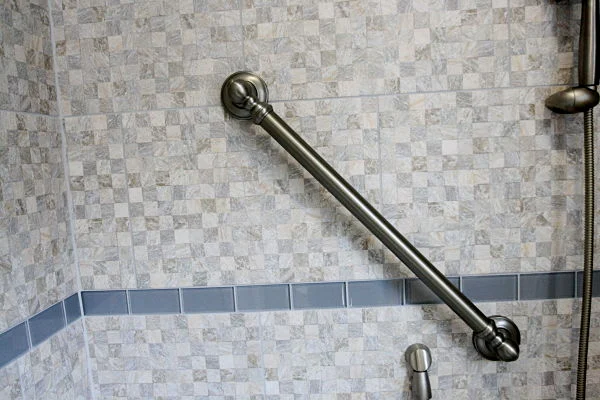
- Lack of Support: Many bathrooms lack adequate handholds. Install grab bars near the toilet, shower, and bathtub. For a detailed overview, see this room-by-room guide to grab bars.
- Poor Lighting: Dim or uneven lighting makes it hard to spot hazards. Upgrade to bright, glare-free bulbs and consider nightlights for safe nighttime trips.
- Cluttered Spaces: Too many items on counters or shelves can cause tripping or make it hard to move around. Keep the area tidy and store items at waist height.
- High Tub Walls: Stepping over a high bathtub edge can be difficult. Consider a walk-in shower or use a sturdy bath seat to reduce the risk.
Essential Equipment for Safer Bathrooms
After identifying risks, the next step is to add supportive equipment. Here are some of the most effective solutions:
- Grab Bars: Place these near the toilet, shower, and bathtub for extra stability.
- Toilet Safety Rails: These provide support when sitting down or standing up.
- Raised Toilet Seats: A higher seat reduces the effort needed to use the toilet.
- Shower Chairs and Benches: Allow seniors to sit while bathing, reducing fatigue and the risk of slipping.
- Handheld Showerheads: Make bathing easier and more comfortable for those with limited mobility.
Tips for a Thorough Bathroom Evaluation
When reviewing a bathroom for safety, keep these tips in mind:
- Walk through the space at different times of day to check lighting and visibility.
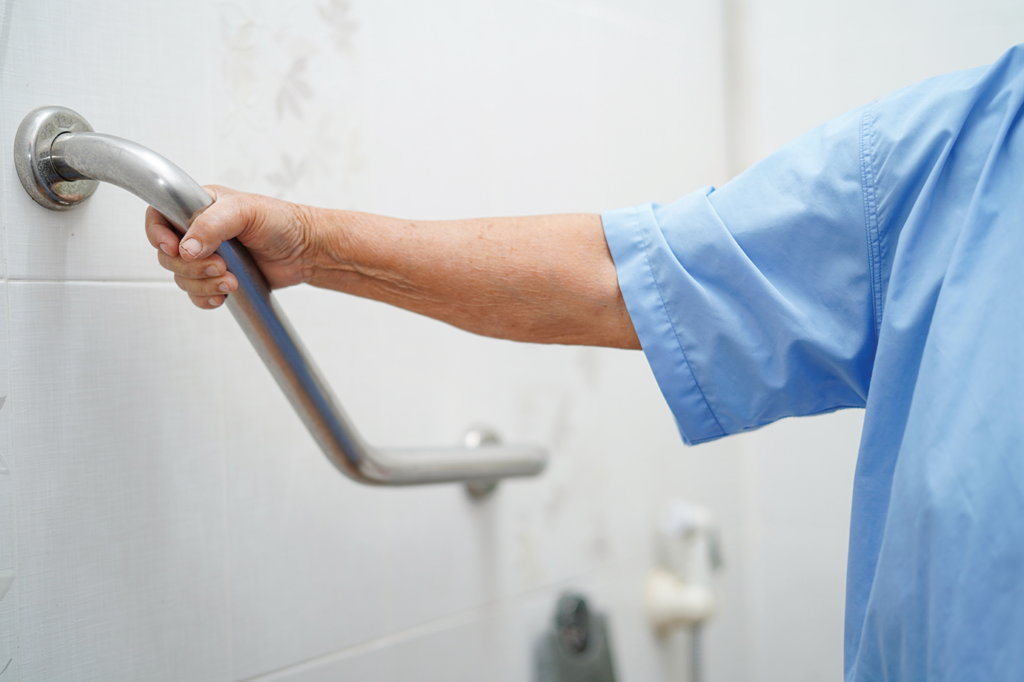
- Test all fixtures and supports for sturdiness.
- Ask the older adult about their daily routines and any challenges they face.
- Involve a professional—such as an occupational therapist—for a more detailed assessment if needed.
- Review other areas of the home for hazards. For more information, see understanding fall risks in older adults and home safety for elderly couples.
Supporting Independence and Well-Being
Making the bathroom safer is about more than just preventing falls. It’s about enabling seniors to live with dignity and confidence. By taking the time to perform a detailed bathroom risk assessment for elderly adults, families can create a supportive environment that encourages independence and peace of mind.
Accessibility upgrades can also contribute to a better quality of life. Learn more about how these changes can make a difference in improving quality of life through accessibility now.
FAQ: Bathroom Safety and Risk Assessment for Seniors
What are the most common bathroom hazards for older adults?
The most frequent dangers include slippery floors, lack of grab bars, poor lighting, high bathtub walls, and cluttered spaces. Addressing these issues with non-slip mats, supportive equipment, and better organization can significantly reduce risks.
How often should a bathroom safety check be performed?
It’s wise to review bathroom safety at least once a year, or whenever there are changes in the older adult’s mobility or health status. Regular assessments help ensure that modifications remain effective as needs evolve.
Are grab bars and safety rails difficult to install?
Many grab bars and toilet safety rails are designed for straightforward installation, often requiring only basic tools. However, for maximum security, it’s best to follow manufacturer instructions or hire a professional if unsure. For more guidance, see a room-by-room guide to grab bars.
Can bathroom safety upgrades improve quality of life?
Absolutely. Simple changes like adding grab bars, improving lighting, and decluttering can make daily routines easier and safer, supporting greater independence and confidence for seniors.