
Staying warm and comfortable is a top priority for anyone using a walk-in bathtub, especially for those with mobility challenges or who require longer soaks for therapeutic reasons. Understanding how the built-in heater works can make a significant difference in your bathing experience. In this guide, the walk-in tub heater function explained will help you learn how these systems operate, what benefits they offer, and how to maximize warmth for as long as you need.
Walk-in tubs are designed for safety and accessibility, but their heating features are equally important. Whether you’re considering an upgrade or troubleshooting your current model, knowing how the heater maintains water temperature can help you make informed decisions. For those interested in related safety features, you might also want to read about walk-in tub suction safety features to ensure a secure bathing environment.
How Walk-In Tub Heaters Work
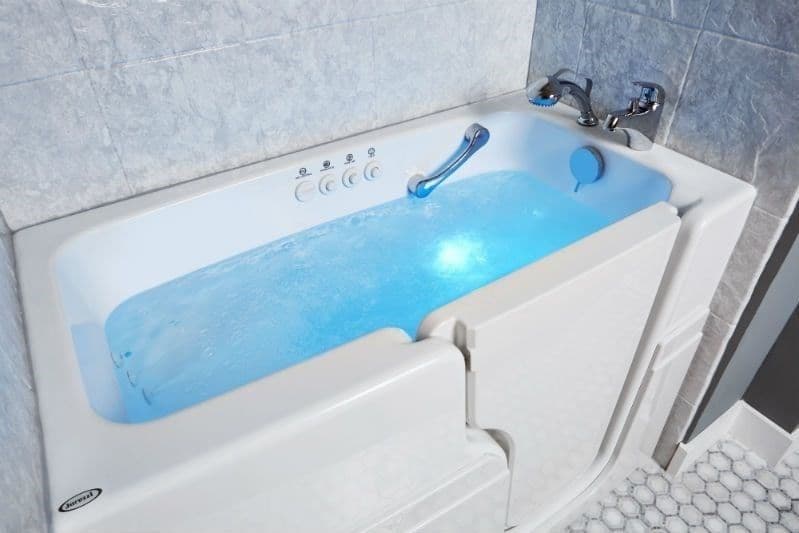
The core of the walk-in tub heater function explained lies in its ability to maintain a consistent water temperature throughout your bath. Most walk-in tubs use an in-line water heater, which is a device installed within the tub’s plumbing system. This heater works by circulating the water through a heating element, ensuring that the temperature doesn’t drop as you soak.
Unlike traditional bathtubs, where water cools quickly, these heaters keep the bath at a steady warmth. The system is typically activated once the tub is filled, and it operates quietly in the background. Some advanced models allow you to set a preferred temperature, while others maintain heat automatically based on preset levels.
Types of Heating Systems in Walk-In Bathtubs
There are several types of heating mechanisms found in walk-in tubs. Understanding the differences can help you choose the right model for your needs:
- In-Line Heaters: These are the most common and work by reheating the water as it circulates through the tub’s jets.
- Heated Surfaces: Some tubs feature heated backrests or seats, providing additional comfort and reducing heat loss from your body.
- Combination Systems: Higher-end models may offer both in-line water heating and heated surfaces for maximum warmth.
Each system has its own advantages. In-line heaters are efficient for maintaining water temperature, while heated surfaces offer targeted warmth. Combination systems provide the best of both worlds, especially for longer soaks or users sensitive to temperature changes.
Benefits of a Heated Walk-In Tub
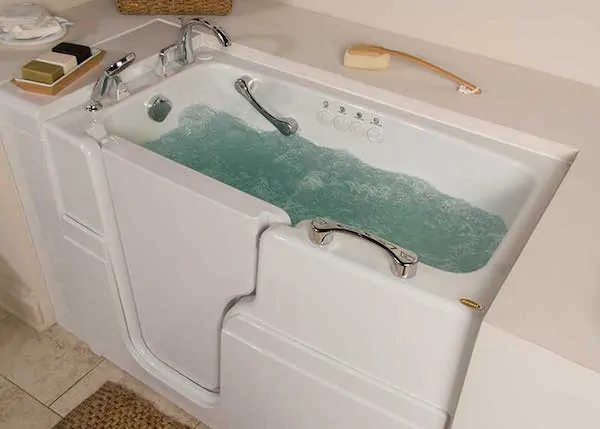
Having a reliable heating system in your walk-in tub offers several key benefits:
- Extended Comfort: The heater ensures your bath stays warm, allowing for longer, more relaxing soaks without the discomfort of cooling water.
- Therapeutic Value: Warm water can help ease muscle tension, improve circulation, and provide relief for arthritis or joint pain. For more on therapeutic features, see our article on walk-in tub foot massage jet benefits.
- Safety: Consistent water temperature reduces the risk of sudden chills, which can be especially important for seniors or those with health conditions.
- Energy Efficiency: Modern in-line heaters are designed to use minimal electricity, making them cost-effective to operate.
Optimizing Your Bath: Tips for Staying Warm Longer
To get the most from your tub’s heating system, consider these practical tips:
- Preheat the Tub: Run hot water for a few minutes before entering to ensure the tub and surfaces are warm.
- Use the Heater Continuously: Keep the in-line heater running during your soak to maintain a stable temperature.
- Close the Bathroom Door: Prevent drafts and heat loss by keeping the door closed while bathing.
- Cover Exposed Skin: Use a towel or bath blanket over your shoulders if you plan to soak for an extended period.
- Monitor Water Levels: Make sure the water covers the jets so the heater can function efficiently.
By following these steps, you can enjoy a consistently warm and soothing bath every time.
Common Questions About Walk-In Tub Heating Systems
Many users have questions about how their tub’s heating features work and how to maintain them. Here are answers to some of the most frequent concerns:
- How quickly does the heater warm the water? Most in-line heaters are designed to maintain temperature rather than heat cold water from scratch. It’s best to fill the tub with water at your desired temperature, then let the heater keep it steady.
- Is it safe to use the heater for long periods? Yes, these systems are built with safety features to prevent overheating. However, always follow the manufacturer’s guidelines for safe operation.
- What maintenance is required? Regularly check for mineral buildup or debris in the jets and heater. Annual servicing by a professional is recommended to keep the system running efficiently. For electrical safety tips, see our guide on how to check walk-in tub electrical grounding.
Choosing the Right Walk-In Tub Heater for Your Needs
When selecting a walk-in tub, consider your personal preferences and health requirements. If you enjoy long soaks or need therapeutic warmth, look for models with both in-line heaters and heated surfaces. Compare energy ratings and user reviews to find a system that balances comfort with efficiency.
It’s also helpful to consult with a professional installer to ensure your home’s electrical system can support the tub’s requirements. For those interested in the broader benefits of accessible bathing, you can read about the advantages of walk-in showers for elderly users for additional insights.
Maintenance Tips for Long-Lasting Performance
Proper care extends the life of your walk-in tub’s heater and ensures reliable performance. Here are some essential maintenance steps:
- Flush the System: Run a cleaning solution through the jets and heater every few months to prevent buildup.
- Inspect for Leaks: Regularly check connections and seals for signs of moisture or corrosion.
- Monitor Electrical Components: Ensure all wiring and outlets are in good condition. If you notice any issues, consult a licensed electrician.
- Follow Manufacturer Instructions: Each model may have specific care guidelines, so always refer to your user manual.
Staying proactive with maintenance not only keeps your tub functioning well but also helps avoid costly repairs down the line.
FAQ
Can I add a heater to an existing walk-in tub?
Some walk-in tubs can be retrofitted with an in-line heater, but it depends on the model and plumbing setup. Consult your manufacturer or a professional installer to determine compatibility.
How do I know if my tub’s heater is working properly?
If your water cools quickly or the heater does not maintain temperature, there may be an issue with the heating element or controls. Check your user manual for troubleshooting steps, and consider reading about how to troubleshoot walk-in tub jet noise for related maintenance tips.
Are walk-in tub heaters energy efficient?
Modern in-line heaters are designed for efficiency, using minimal power to maintain water temperature. Choosing a model with good energy ratings can help keep operating costs low.
What safety features are included with walk-in tub heaters?
Most systems include automatic shutoff, temperature controls, and built-in sensors to prevent overheating. Always follow safety guidelines and have your tub inspected regularly.
Understanding the walk-in tub heater function explained in this article can help you enjoy longer, warmer, and safer baths. With the right knowledge and maintenance, your walk-in tub can provide years of comfort and therapeutic benefits.