
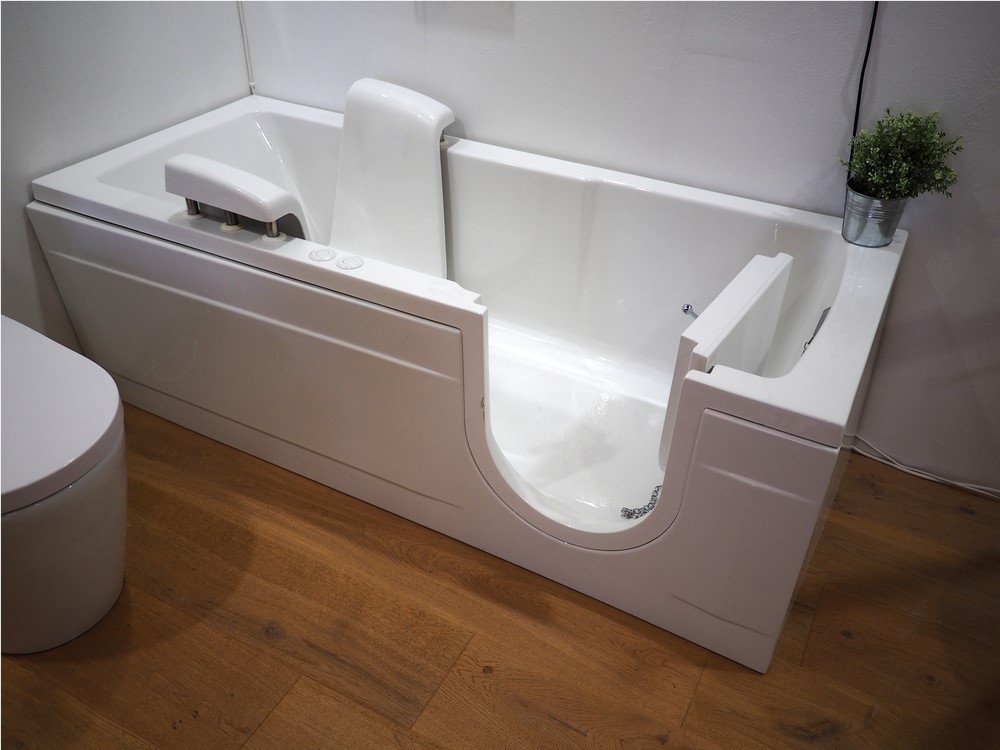
Installing a walk-in tub can transform your bathroom into a safer and more accessible space, especially for those with mobility challenges. However, before you can enjoy the therapeutic benefits and added comfort, it’s essential to understand the walk-in tub electrical requirements that ensure safe and reliable operation. Proper electrical setup is not just about plugging in the tub; it involves specific wiring, dedicated circuits, and adherence to local codes. This guide covers what homeowners and electricians need to know before installation begins.
Whether you’re planning a bathroom remodel or upgrading for aging-in-place, knowing the technical details can help you avoid costly mistakes and ensure your investment is protected. We’ll break down the typical power needs, safety considerations, and the steps your electrician should follow for a compliant and worry-free setup.
For those interested in the structural aspects of these tubs, you may also want to explore walk-in tub frame construction types to ensure your installation is both sturdy and safe.
Understanding Power Needs for Walk-In Tubs
Most modern walk-in tubs come equipped with features such as whirlpool jets, heated seating, quick-fill faucets, and fast-drain pumps. These amenities require more than a standard bathroom outlet. Typically, walk-in tub electrical requirements call for a dedicated 120V or 240V circuit, depending on the model and features.
- Standard soaker tubs may only need a basic 15-amp, 120V circuit if they have no powered features.
- Hydrotherapy or air jet tubs often require a 15- or 20-amp, 120V GFCI-protected circuit.
- Heated surfaces or fast-drain pumps may need a separate 15- or 20-amp, 120V circuit, or in some cases, a 240V circuit for high-powered units.
Always check the manufacturer’s installation manual for the precise amperage and voltage requirements. Overloading a circuit can lead to tripped breakers, electrical hazards, or voided warranties.
Dedicated Circuits and GFCI Protection
One of the most important electrical requirements for walk-in tubs is the use of a dedicated circuit. This means the tub’s electrical load should not be shared with other bathroom fixtures or outlets. A dedicated circuit reduces the risk of overload and ensures consistent performance.
In addition, all outlets and circuits serving the tub must be protected by a Ground Fault Circuit Interrupter (GFCI). GFCI protection is required by the National Electrical Code (NEC) for any bathroom appliance that could come into contact with water. This safety feature quickly shuts off power if a ground fault is detected, preventing electric shock.

Wiring and Outlet Placement
Proper wiring is crucial for both safety and code compliance. Your electrician should run new wiring from the main panel to the bathroom, using the correct gauge wire for the amperage required by the tub. All wiring should be enclosed in conduit or behind walls, and connections must be made in accessible junction boxes.
- Install GFCI outlets within reach of the tub’s power cord, but never where water can splash directly onto them.
- Follow local code for minimum distances between outlets and water sources.
- Label the circuit breaker in your panel for easy identification.
If your tub has multiple powered features (such as a heater and pump), each may require its own outlet and circuit. Consult the installation guide and coordinate with your electrician to plan the best layout.
Permits, Inspections, and Local Codes
Electrical work for walk-in tubs almost always requires a permit and inspection. Local building codes may have additional requirements beyond the NEC, such as specific types of wiring, conduit, or breaker panels. Your electrician should be familiar with these rules and obtain all necessary permits before starting work.
After installation, a licensed inspector will verify that all walk-in tub electrical requirements have been met and that the setup is safe. Skipping this step can result in fines, insurance issues, or safety hazards.
For more on how bathroom accessibility features can impact aging-in-place, see this comparison of walk-in baths and walk-in showers for aging in place.
Common Electrical Features in Modern Walk-In Tubs
Today’s walk-in tubs offer a range of powered options that enhance comfort and usability. Each feature comes with its own electrical considerations:
- Hydrotherapy jets: Require a pump, usually on a 15- or 20-amp GFCI circuit.
- Heated backrests and seats: Draw additional power, sometimes on a separate circuit.
- Chromotherapy lighting: Low-voltage, but still needs GFCI protection.
- Ozone sanitizing systems: Small electrical load, but must be wired to code.
- Fast-fill and fast-drain systems: May require higher amperage or even 240V service.

When choosing a tub, make a list of all desired features and review their power needs with your electrician. This ensures your bathroom’s electrical system can handle the load and that all safety measures are in place.
Working with a Licensed Electrician
While some handy homeowners may be tempted to tackle electrical work themselves, walk-in tub installations should always be handled by a licensed professional. Electricians have the expertise to interpret manufacturer instructions, select the correct wire gauge, install GFCI protection, and ensure compliance with all codes.
A qualified electrician will:
- Assess your home’s electrical panel for capacity and compatibility.
- Install new circuits as needed, using the correct amperage and voltage.
- Test all connections and GFCI devices for proper operation.
- Coordinate with plumbing contractors to ensure safe integration.
This professional approach not only protects your investment but also ensures your family’s safety.
Additional Considerations for Safe Installation
Beyond the core walk-in tub electrical requirements, there are a few more tips to keep in mind:
- Keep all electrical components dry and away from water sources.
- Ensure easy access to the circuit breaker in case of emergencies.
- Schedule regular maintenance checks for all powered features.
- Review your tub’s warranty terms, as improper wiring can void coverage. For more details, see understanding walk-in tub warranty terms.
Taking these precautions will help you enjoy your new tub with confidence and peace of mind.
FAQ About Walk-In Tub Power and Safety
Do all walk-in tubs need a dedicated circuit?
Most models with powered features require a dedicated circuit to prevent overload and ensure safe operation. Basic soaker tubs without electrical components may not need one, but always check the manufacturer’s instructions.
Can I use an extension cord for my walk-in tub?
No. Extension cords are not safe or code-compliant for permanent bathroom fixtures. All wiring should be hardwired by a licensed electrician to meet safety standards.
What happens if my home’s electrical panel is full?
If your panel lacks space for new circuits, your electrician may recommend upgrading the panel or installing a subpanel. This ensures your walk-in tub and other appliances operate safely.
Are there different electrical requirements for tubs with extra features?
Yes. Features like hydrotherapy jets, heated seats, and fast-drain systems each have unique power needs. Review the specs for each feature and plan circuits accordingly.
Conclusion
Understanding the electrical requirements for walk-in tubs is essential for a safe, functional, and code-compliant installation. From dedicated circuits and GFCI protection to proper wiring and professional installation, each step plays a crucial role in protecting your investment and your family. By working closely with a licensed electrician and following manufacturer guidelines, you can enjoy all the benefits of your new tub with confidence.