
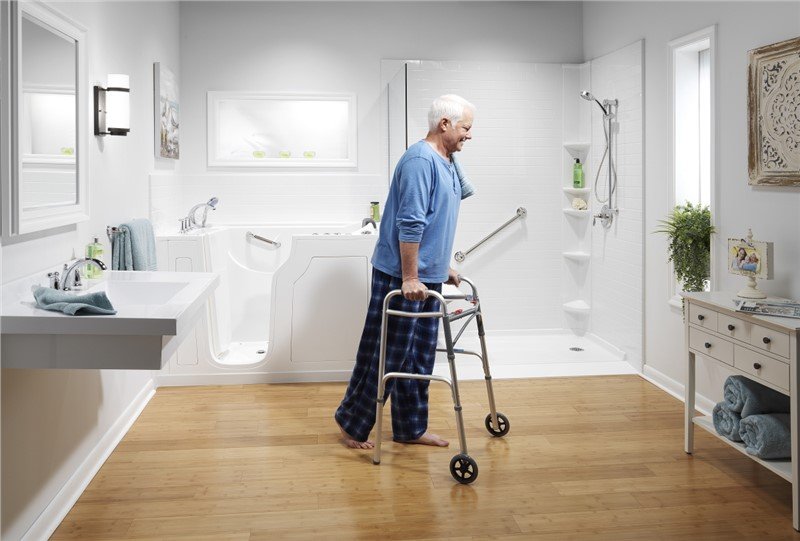
Supporting the safety and independence of loved ones is a top priority for caregivers and families. Bathrooms are one of the most common places for slips and falls, especially for seniors and those with mobility challenges. Traditional bathtubs often present significant risks, from high entry thresholds to slippery surfaces. This is where safety benefits of walk-in tubs for caregivers become essential, offering practical solutions to everyday challenges and helping to create a safer home environment.
Walk-in tubs are designed with accessibility and security in mind, making them a valuable addition for households caring for older adults or anyone with limited mobility. Their unique features not only reduce the risk of accidents but also ease the physical and emotional burden on caregivers. In this article, we’ll explore the main advantages of walk-in tubs, how they improve daily routines, and why they are an investment in both comfort and peace of mind.
For those interested in related safety upgrades, understanding walk-in shower grab bar weight ratings can further enhance bathroom security and support.
How Walk-In Tubs Reduce Fall Risks for Caregivers and Loved Ones
One of the most significant safety benefits of walk-in tubs for caregivers is the reduction of slip and fall incidents. Standard bathtubs often require users to step over a high wall, which can be difficult and dangerous for those with limited mobility. Walk-in tubs feature a low threshold door, allowing users to enter and exit with minimal effort and less risk of losing balance.
Additional safety features commonly found in walk-in tubs include:
- Non-slip flooring: Textured surfaces inside the tub help prevent slipping, even when wet.
- Built-in grab bars: Secure handholds provide extra support for users as they move in and out of the tub.
- Seating: Integrated, contoured seats allow for comfortable bathing without the need to lower oneself to the floor of the tub.
- Easy-to-reach controls: Faucets and showerheads are positioned for convenient access, reducing awkward movements.
These features not only protect the person bathing but also make it easier for caregivers to assist safely, reducing the risk of injury for both parties.
Supporting Independence and Dignity for Users
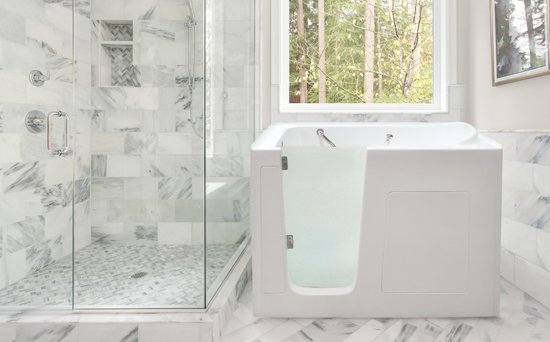
Maintaining independence is important for self-esteem and quality of life, especially for seniors and individuals with disabilities. Walk-in tubs are designed to empower users to bathe with minimal or no assistance, which can be a source of pride and comfort. For caregivers, this means less hands-on involvement, reducing physical strain and the risk of back injuries associated with lifting or supporting someone in and out of a traditional tub.
Some walk-in tubs also offer features like handheld shower wands and adjustable water jets, making it easier for users to control their bathing experience. These elements support a sense of autonomy while still providing a safe environment.
For those interested in the technical side, exploring walk-in tub frame construction types can help you choose a model that best fits your household’s needs and durability expectations.
Ease of Use and Comfort for Caregivers
The safety benefits of walk-in tubs for caregivers extend beyond just preventing accidents. These tubs are engineered to make the bathing process smoother and less physically demanding. The door design eliminates the need for heavy lifting, while the built-in seat allows users to remain upright and stable throughout their bath.
For caregivers, this means less bending, lifting, or awkward maneuvering, which can help prevent common workplace injuries. The ergonomic design of walk-in tubs also allows for easier access to assist with washing or rinsing, further reducing the risk of strain.
Additionally, some walk-in tubs come equipped with dual drainage systems, which allow the tub to empty quickly. This feature can be especially helpful in situations where a fast exit is necessary, supporting both user safety and caregiver peace of mind. To learn more about this, check out the guide on walk-in tub dual drainage systems.
Additional Features That Enhance Bathroom Safety
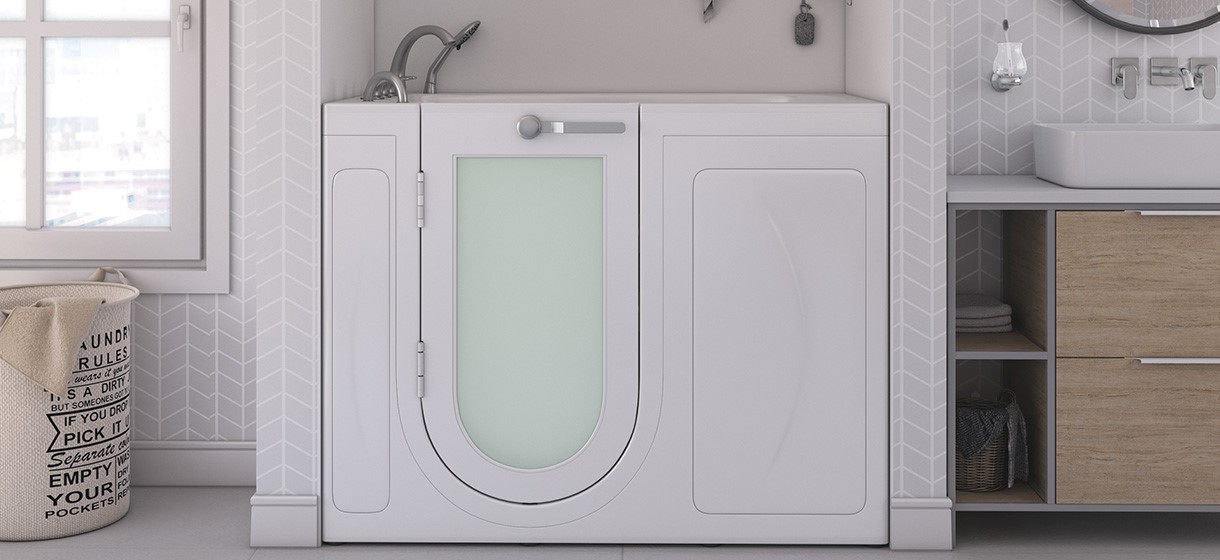
Modern walk-in tubs are equipped with a variety of features that further promote safety and convenience for both users and caregivers:
- Anti-scald valves: These help regulate water temperature, preventing accidental burns.
- Leak-proof doors: Secure seals reduce the risk of water spilling onto the floor, which can cause slips.
- Quick-drain technology: Faster drainage means less waiting time and a safer exit after bathing.
- Hydrotherapy jets: While primarily for comfort, these can also help with circulation and muscle relaxation, making transfers easier.
Combining these features with proper installation and regular maintenance ensures that the walk-in tub remains a reliable safety solution for years to come. For seasonal care tips, see the article on how to winterize a walk-in tub.
Comparing Walk-In Tubs to Other Accessible Bathing Solutions
While walk-in showers and slip-resistant coatings can also improve bathroom safety, walk-in tubs offer unique advantages for those who prefer or require seated bathing. For example, walk-in shower slip-resistant coatings are excellent for standing showers, but may not provide the same level of support and comfort as a tub with a built-in seat.
Choosing the right solution depends on the specific needs of the user and the caregiver. Walk-in tubs are particularly well-suited for those who need extra support, want to enjoy a relaxing soak, or require assistance during bathing.
Long-Term Value for Caregivers and Families
Investing in a walk-in tub is not just about immediate safety—it’s also about long-term peace of mind. By reducing the risk of falls and injuries, these tubs can help families avoid costly medical bills and maintain a higher quality of life for their loved ones. For caregivers, the reduced physical demands and increased efficiency can lead to less stress and a more positive caregiving experience.
For more information on accessible bathing options and their advantages, you can refer to resources like walk-in tubs for seniors: safety and independence.
Frequently Asked Questions
What makes walk-in tubs safer than traditional bathtubs?
Walk-in tubs are designed with a low entry threshold, non-slip surfaces, built-in seating, and grab bars. These features minimize the risk of slips and falls, making them much safer for seniors and those with mobility issues compared to standard bathtubs.
Can walk-in tubs be installed in any bathroom?
Most walk-in tubs are designed to fit in the space of a standard bathtub, making them suitable for many bathrooms. However, it’s important to check dimensions and consult with a professional installer to ensure a proper fit and safe installation.
How do walk-in tubs help caregivers specifically?
Walk-in tubs reduce the need for heavy lifting and awkward movements, making it easier and safer for caregivers to assist with bathing. Features like built-in seating and easy-to-reach controls also allow users to be more independent, reducing the physical and emotional strain on caregivers.