
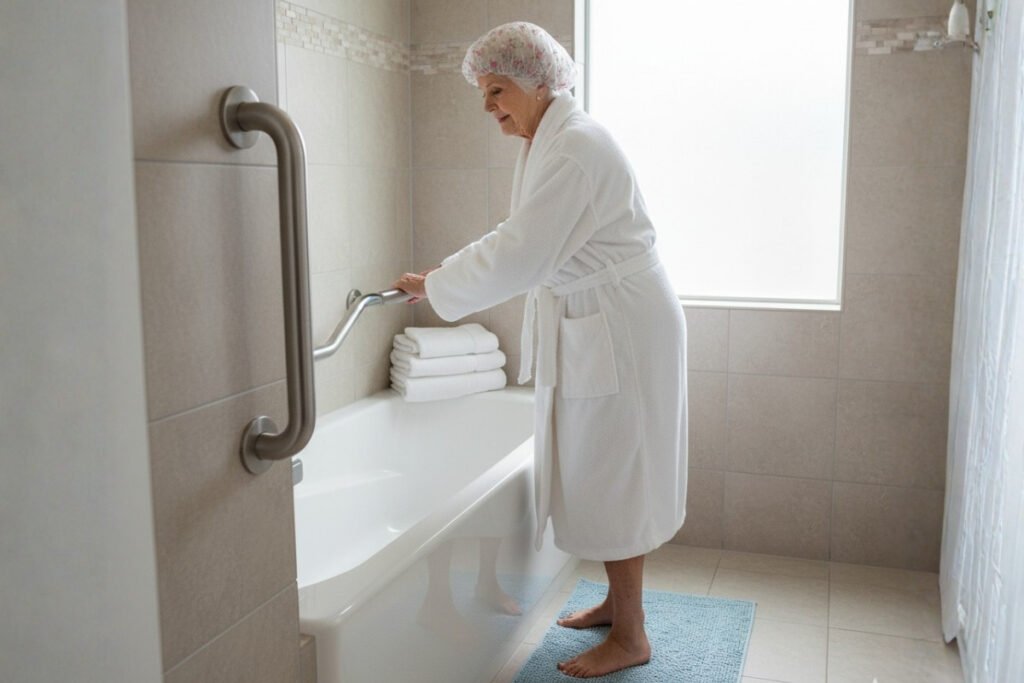
Falls are a leading cause of injury, especially among older adults and individuals with mobility challenges. Taking proactive steps toward reducing fall related injuries at home can make a significant difference in safety and peace of mind for everyone in the household. By understanding common risk factors and implementing proven strategies, you can help create a safer living environment that supports independence and well-being.
Many falls occur in familiar spaces, often due to overlooked hazards or lack of proper safety features. Simple modifications, regular assessments, and the right assistive equipment can dramatically lower the risk of accidents. If you’re looking for a comprehensive approach to home safety, resources like the aging in place home improvement checklist offer valuable guidance for making your home more secure.
Understanding Why Falls Happen at Home
Before making changes, it’s important to recognize the most common causes of falls in residential settings. Factors include:
- Poor lighting in hallways, staircases, and bathrooms
- Cluttered walkways or loose rugs that can trip someone
- Slippery surfaces, especially in bathrooms and kitchens
- Lack of sturdy handrails or grab bars
- Changes in flooring height, such as thresholds or steps
- Medical conditions affecting balance, vision, or mobility
By identifying these risks, you can prioritize the most effective changes for your home.
Essential Home Modifications for Preventing Falls
Making targeted improvements is one of the most effective ways to reduce the likelihood of injuries from falls. Here are some practical steps:
- Install grab bars in key areas like bathrooms and near stairs.
- Ensure all rooms and hallways are well-lit, using nightlights where needed.
- Remove or secure loose rugs and clear clutter from walkways.
- Use non-slip mats in showers, tubs, and on bathroom floors.
- Repair uneven flooring and secure electrical cords along walls.
- Consider adding ramps or threshold covers for easier access.
For more ideas on creating a safer bathroom, the article on bathroom safety solutions for multigenerational homes provides helpful insights.
Grab Bars and Bathroom Safety: A Key to Reducing Falls
The bathroom is a high-risk area for slips and falls due to wet surfaces and limited space. Installing grab bars is a simple yet highly effective way to support balance and stability. Proper placement is crucial for maximum benefit. According to expert recommendations on grab bar installation, bars should be positioned near showers, tubs, and toilets, and at entry and exit points where support is needed most.
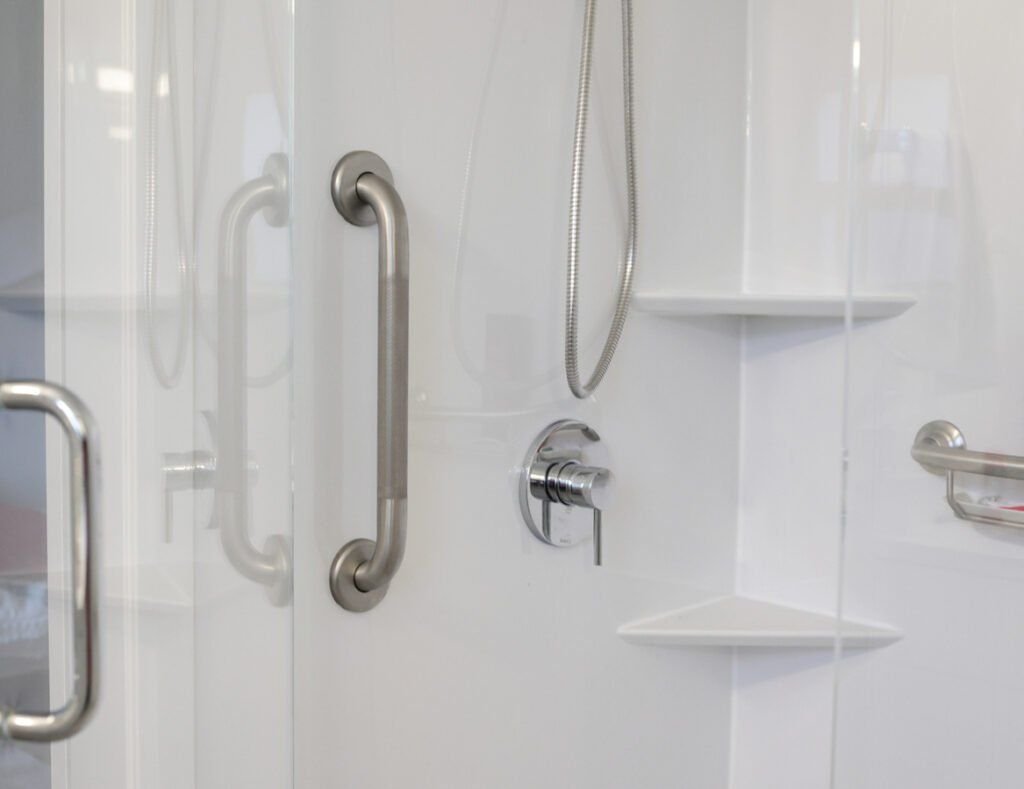
When choosing grab bars, look for models that are securely anchored into wall studs and have a non-slip surface. For more guidance, see bathroom accessibility upgrades that make a difference for seniors and families.
Toilet Safety Rails and Support Devices
Getting on and off the toilet can be challenging for those with limited mobility or balance issues. Toilet safety rails provide sturdy support and reduce the risk of falls in this vulnerable area. These rails are available in various designs, including freestanding, wall-mounted, and clamp-on options. Choose a model that fits your bathroom layout and is easy to grip.

Combining grab bars and toilet rails with other bathroom safety features, such as raised toilet seats and non-slip flooring, can further enhance protection. For a more detailed look at these options, visit bathroom safety features every senior should consider.
Lighting and Visibility: Simple Upgrades That Prevent Falls
Proper lighting is a critical yet often overlooked aspect of reducing fall related injuries at home. Dim or uneven lighting can make it difficult to spot hazards, especially at night. Consider these upgrades:
- Install bright, energy-efficient bulbs in all rooms and hallways.
- Add motion-sensor lights for hands-free illumination in high-traffic areas.
- Use nightlights in bedrooms, bathrooms, and along pathways to guide movement after dark.
- Keep light switches easily accessible at entrances and exits.
These changes not only improve safety but also make daily routines easier for everyone.
Routine Assessments and Maintenance
Maintaining a safe home environment is an ongoing process. Regularly inspect your living space for new hazards, such as loose handrails, worn carpets, or water leaks that could cause slippery floors. Encourage family members and visitors to report any concerns. Scheduling periodic reviews using a checklist—like the aging in place home improvement checklist—helps ensure nothing is overlooked.
Encouraging Safe Habits and Awareness
Physical modifications are essential, but personal habits also play a role in preventing falls. Encourage everyone in the household to:
- Wear supportive, non-slip footwear indoors.
- Take time when moving from sitting to standing, especially after waking up.
- Keep frequently used items within easy reach to avoid overreaching or climbing.
- Stay active to maintain strength and balance, as appropriate for individual health conditions.
For those with chronic health issues or medications that affect balance, regular checkups with healthcare providers can help manage risks.
Additional Resources for Home Safety
There are many resources available to help you make informed decisions about home safety. For a deeper understanding of risk factors, the article on understanding fall risks in older adults provides valuable context. Combining expert advice with practical upgrades ensures your home remains a safe and welcoming place for all.
Frequently Asked Questions
What are the most important areas to focus on for fall prevention at home?
Bathrooms, stairways, and entryways are typically the highest-risk areas. Installing grab bars, improving lighting, and removing tripping hazards in these spaces are top priorities for minimizing accidents.
How often should I review my home for potential fall hazards?
It’s recommended to assess your home at least twice a year, or whenever there are changes in health, mobility, or household members. Using a checklist can help ensure all areas are covered.
Are grab bars and safety rails difficult to install?
Many grab bars and toilet safety rails are designed for straightforward installation, especially with proper tools and instructions. However, for maximum safety, it’s best to anchor them into wall studs or consult a professional if you’re unsure.