
As people age, the risk of accidents and injuries at home increases. Taking proactive steps to make living spaces safer can help older adults maintain independence and peace of mind. Preventive home safety measures for seniors are essential for reducing falls, minimizing hazards, and supporting daily activities. This article explores practical strategies, key areas to address, and helpful products that can make a significant difference for aging adults and their families.
For those interested in a comprehensive approach, the aging in place home improvement checklist offers additional guidance on creating a secure and comfortable environment for seniors.
Why Proactive Safety Planning Matters
Accidents at home are a leading cause of injury among older adults. Falls, burns, and other incidents can lead to hospitalizations and long-term health issues. By implementing preventive home safety measures for seniors, families can address risks before they become emergencies. This approach not only protects physical health but also supports emotional well-being by fostering confidence and autonomy.
Many seniors wish to remain in their own homes as they age. Adapting the living space with thoughtful modifications and regular safety checks makes this goal more achievable. Small changes can have a big impact, especially when tailored to individual needs and mobility levels.
Key Areas to Address for Senior Safety
Effective home safety for older adults involves evaluating each room for potential hazards and making targeted improvements. Below are the most critical areas to consider:
- Entrances and Exits: Ensure walkways are clear, steps are stable, and handrails are secure. Good lighting at entry points reduces the risk of tripping.
- Living Spaces: Remove clutter, secure rugs, and arrange furniture to allow easy movement. Consider using non-slip mats and corner protectors for added safety.
- Stairways: Install sturdy handrails on both sides and add non-slip treads. Adequate lighting is crucial for visibility.
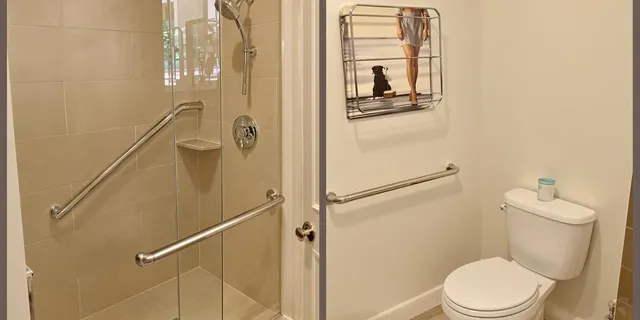
- Bathrooms: Wet surfaces and limited mobility make bathrooms a high-risk area. Install grab bars, non-slip mats, and raised toilet seats for support.
- Kitchens: Store frequently used items within easy reach. Use appliances with automatic shut-off features and keep floors dry to prevent slips.
- Bedrooms: Place nightlights, keep pathways clear, and ensure beds are at a comfortable height for getting in and out safely.
Fall Prevention Strategies in the Home
Falls are one of the most common and serious risks for seniors. Implementing preventive home safety measures for seniors in high-traffic areas is essential. Here are some effective fall prevention tips:
- Install grab bars in bathrooms and near stairs. For detailed advice, see these useful tips on where to install grab bars.
- Use non-slip mats in showers, tubs, and on bathroom floors.
- Keep frequently used items at waist level to avoid reaching or bending.
- Encourage the use of supportive footwear with non-skid soles.
- Maintain clear, well-lit pathways throughout the home.
Bathroom Modifications for Senior Safety
The bathroom is a frequent site of slips and falls. Adapting this space is a cornerstone of preventive home safety measures for seniors. Consider these practical upgrades:
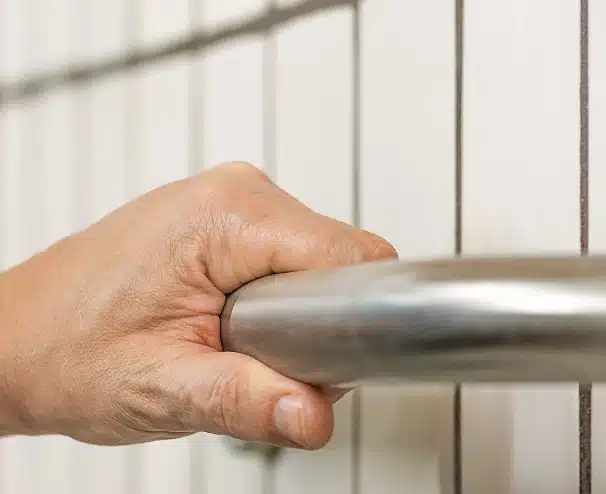
- Install grab bars near the toilet and in the shower or tub.
- Use a shower chair or bench for added stability during bathing.
- Place non-slip mats both inside and outside the tub or shower.
- Consider a raised toilet seat or toilet safety rails for easier transfers.
- Ensure faucets are easy to operate and set water heaters to a safe temperature to prevent burns.
For more ideas on adapting bathrooms for older adults, see bathroom safety solutions for multigenerational homes and building a safer bathroom for aging adults.
Technology and Smart Solutions for Senior Safety
Modern technology can enhance safety and convenience for older adults. Smart home devices and simple gadgets can make daily life easier and reduce risks. Some helpful options include:
- Motion-activated lighting to illuminate hallways and bathrooms at night.
- Voice-activated assistants for hands-free calls and reminders.
- Medical alert systems that provide immediate help in case of emergencies.
- Door and window sensors for added security.
For a deeper look at how technology can support mobility and independence, explore smart home features that support senior mobility.
Simple Modifications and Daily Habits
Not all safety improvements require major renovations. Many easy home modifications for elderly safety can be implemented quickly and affordably. These include:
- Securing loose rugs with double-sided tape or removing them altogether.
- Organizing cords and wires to prevent tripping.
- Adjusting furniture layout to create wide, unobstructed pathways.
- Using contrasting colors on stairs and thresholds for better visibility.
- Encouraging regular exercise to maintain strength and balance.
For more suggestions, see easy home modifications for elderly safety.
Maintaining a Safe Home Environment
Ongoing attention is key to keeping a home safe for seniors. Regularly inspect the home for new hazards, such as loose railings, burned-out light bulbs, or worn-out mats. Involve older adults in safety planning and encourage open communication about their needs and concerns. Family members and caregivers can help by scheduling routine safety checks and updating equipment as needed.
Staying informed about the latest products and best practices ensures that preventive home safety measures for seniors remain effective as needs change over time.
Frequently Asked Questions
What are the most important safety modifications for seniors living at home?
Key improvements include installing grab bars in bathrooms, securing rugs, improving lighting, and adding handrails to stairs. Non-slip mats and raised toilet seats also help reduce the risk of falls.
How can technology help make a home safer for older adults?
Smart devices like motion-activated lights, medical alert systems, and voice assistants can enhance safety and independence. These tools make it easier to call for help, navigate at night, and manage daily routines.
How often should home safety checks be performed?
It’s a good idea to review the home environment every few months or after any changes in health or mobility. Regular checks help identify new hazards and ensure all safety equipment remains in good condition.