
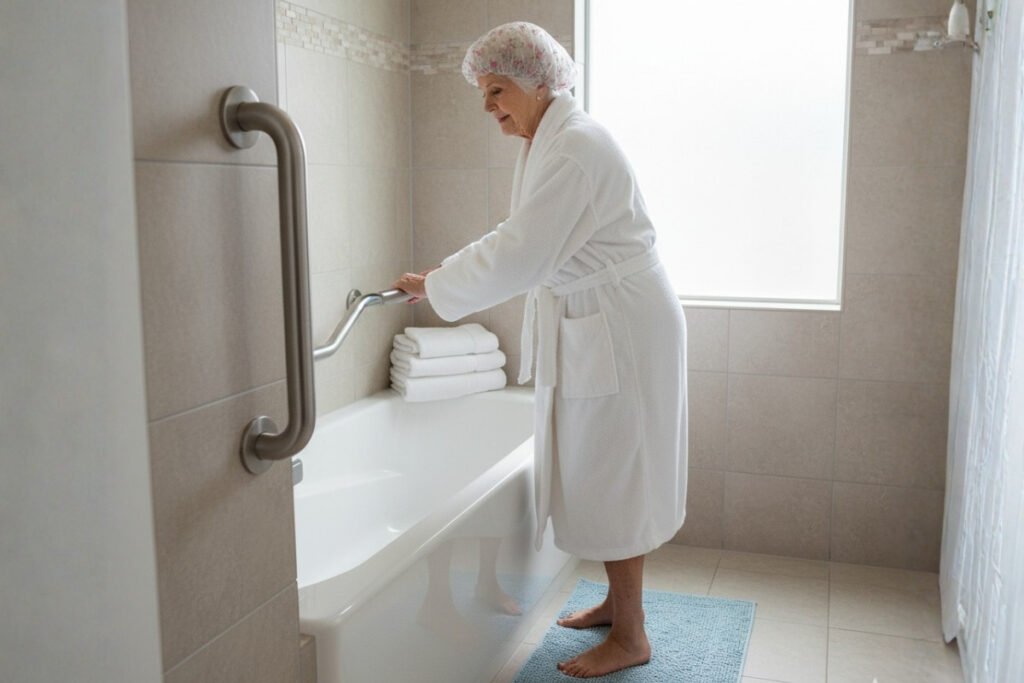
Designing a home that supports independence, safety, and comfort is increasingly important as we age. Accessible home design principles help modern seniors stay in their homes longer, reduce the risk of accidents, and maintain a high quality of life. Whether you’re planning renovations for yourself or a loved one, understanding the fundamentals of accessible living spaces can make a significant difference.
From thoughtful layouts to smart safety features, applying these guidelines ensures that a home remains welcoming and functional for everyone. Early planning and practical modifications can help seniors avoid common hazards and adapt their environment as needs change. For a comprehensive approach, you may also want to review the aging in place home improvement checklist for seniors, which covers essential upgrades and maintenance tips.
Why Accessibility Matters in Senior Home Design
As mobility, vision, and strength change with age, homes that once felt comfortable can become challenging. Accessible home design principles aim to remove barriers and create environments where seniors can move freely, perform daily activities safely, and enjoy their independence. By focusing on universal design, these principles also benefit visitors and family members of all ages.
Key reasons to prioritize accessibility include:
- Reducing fall risks with non-slip surfaces and clear pathways
- Making essential areas like bathrooms and kitchens easier to use
- Supporting the use of mobility aids such as walkers or wheelchairs
- Increasing the value and future-proofing of the home
Core Elements of Accessible Living Spaces
Applying accessible home design principles involves both large-scale renovations and simple adjustments. Here are the most impactful elements to consider:
Open and Barrier-Free Layouts
Wide hallways and doorways (at least 36 inches) allow for easy navigation, especially for those using mobility devices. Removing unnecessary steps and thresholds between rooms helps prevent trips and falls. Open floor plans also improve visibility and make it easier to move between spaces.
Non-Slip Flooring and Level Surfaces
Choose flooring materials that provide traction, such as textured tile or low-pile carpet. Avoid loose rugs or mats that can slide. Level transitions between rooms and at entryways are crucial for wheelchair access and to minimize tripping hazards.
Good Lighting and Clear Visibility
Ample, well-distributed lighting reduces the risk of accidents and helps those with vision changes. Use bright, adjustable lights in hallways, stairways, and bathrooms. Contrasting colors for walls, floors, and fixtures can make it easier to distinguish different areas and objects.
Bathroom Safety and Adaptations
The bathroom is one of the most common places for falls and injuries among seniors. Applying accessible home design principles in this space is essential for safety and peace of mind.
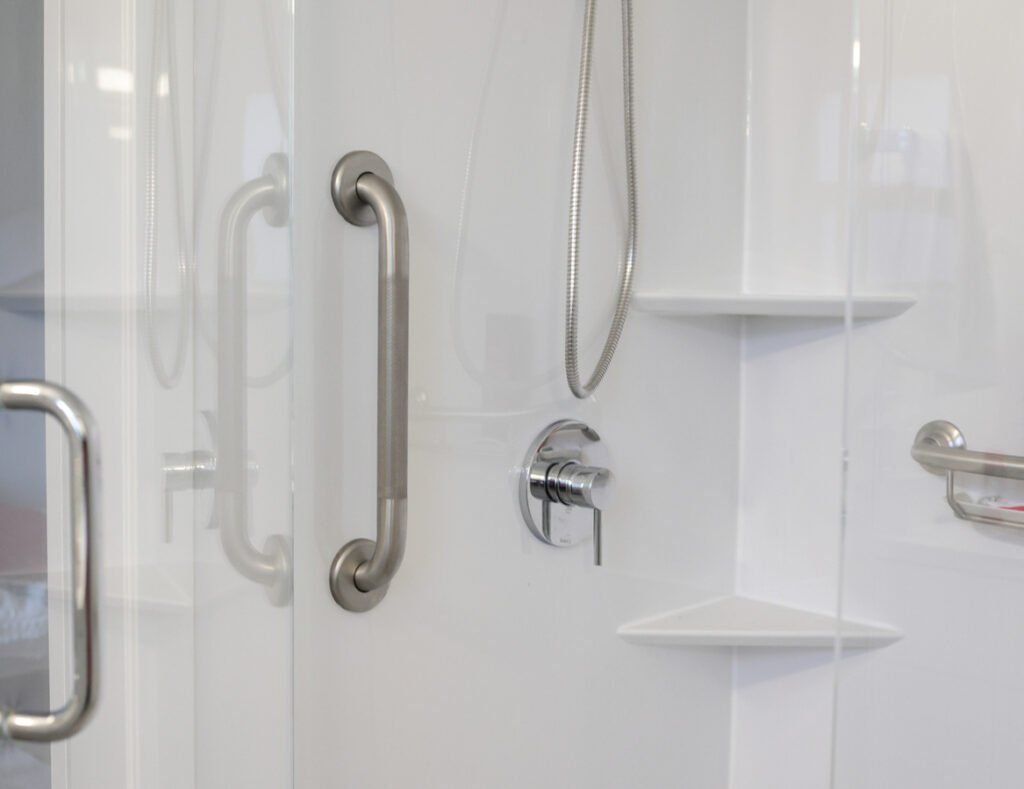
Some effective bathroom modifications include:
- Installing sturdy grab bars near the shower, tub, and toilet for support
- Using non-slip mats or textured tiles in wet areas
- Opting for walk-in showers with low or no thresholds
- Adding a shower seat or bench for stability
- Raising toilet seats or installing toilet safety rails for easier transfers
For more in-depth guidance, see these useful tips on where to install grab bars in your home. You can also explore bathroom safety solutions for multigenerational homes for more ideas tailored to families with seniors.

Accessible Kitchens and Everyday Living Areas
Kitchens and living rooms are central to daily life. Applying accessible home design principles in these areas can help seniors cook, clean, and socialize with greater ease.
Kitchen Modifications for Independence
- Lower countertops and sinks for seated use
- Pull-out shelves and drawers for easy access to items
- Lever-style handles on faucets and cabinets
- Appliances with front-mounted controls and easy-to-read displays
For additional ideas, you might find easy home modifications for elderly safety helpful, especially for quick upgrades that don’t require major construction.
Living Room and Bedroom Adjustments
- Arrange furniture to create wide, clear pathways
- Ensure light switches and outlets are within easy reach
- Use chairs and beds at comfortable heights for sitting and standing
- Install handrails along hallways and near steps
Smart Technology and Modern Solutions
Technology can enhance accessibility and safety for seniors. Smart home features such as voice-activated lights, automated thermostats, and video doorbells add convenience and peace of mind. For more on this, see smart home features that support senior mobility and how they can be integrated into your living space.
Planning for the Future: Flexibility and Adaptability
One of the most important aspects of accessible design is planning for changing needs. Choose solutions that can be adjusted or upgraded over time. For example, installing blocking in walls now makes it easier to add grab bars later. Modular ramps or portable lifts can be added as mobility needs evolve.
Consulting with occupational therapists, contractors experienced in universal design, or local aging-in-place specialists can help you create a personalized plan that fits your lifestyle and budget.
Frequently Asked Questions
What are the most important features for an accessible home?
The most critical features include step-free entrances, wide doorways and hallways, non-slip flooring, good lighting, and accessible bathrooms with grab bars and walk-in showers. These elements help prevent falls and support independence.
How can I make my bathroom safer for an older adult?
Install grab bars near the shower, tub, and toilet, use non-slip mats, consider a walk-in shower, and add a raised toilet seat or safety rails. These changes significantly reduce the risk of slips and falls.
Are there affordable ways to improve home accessibility?
Yes, many modifications are budget-friendly, such as adding grab bars, improving lighting, rearranging furniture for clear pathways, and using lever-style handles. For more affordable ideas, review the aging in place home improvement checklist.
Where should grab bars be installed in the home?
Grab bars are most useful in bathrooms—next to toilets, inside showers, and near bathtubs. For detailed placement advice, refer to these practical tips for grab bar installation.
Conclusion
Applying accessible home design principles is a proactive way to support aging in place, reduce risks, and maintain comfort at home. By focusing on safety, adaptability, and ease of use, you can create a living environment that meets current needs and adapts to future changes. Whether you’re making small adjustments or planning a major remodel, these guidelines will help you build a safer, more welcoming home for yourself or your loved ones.