
Bathrooms are one of the most common places for slips, falls, and injuries at home, especially for older adults and people with mobility challenges. Taking a proactive approach to making this space safer can help prevent accidents and provide peace of mind for everyone in the household. This guide covers practical ways to improve bathroom safety, from simple adjustments to more significant upgrades, so you can create a secure environment for yourself or your loved ones.
Whether you’re looking to support aging family members or want to make your home more accessible for all ages, there are effective solutions available. For those interested in broader home modifications, the aging in place home improvement checklist offers additional ideas to support safety and independence throughout the house.

Why Bathroom Safety Matters for Every Household
Falls in the bathroom can lead to serious injuries, including fractures and head trauma. Wet surfaces, tight spaces, and hard fixtures all contribute to the risk. According to the CDC, bathrooms are a leading location for home injuries among seniors. However, these risks can be significantly reduced with a few thoughtful changes. Prioritizing bathroom safety improvements not only protects older adults but benefits children, guests, and anyone recovering from surgery or illness.
Many families are also considering bathroom safety solutions for multigenerational homes as households become more diverse in age and ability. Making the bathroom safer is a smart investment for everyone’s well-being.
Install Grab Bars and Support Rails
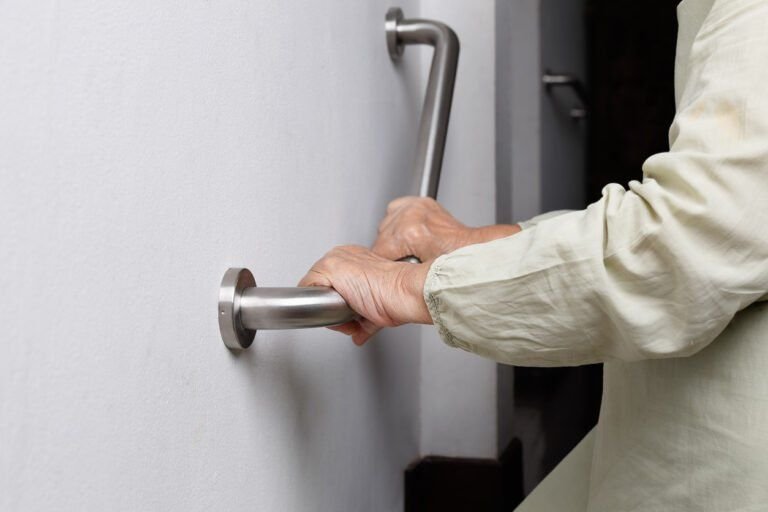
One of the most effective practical ways to improve bathroom safety is to install sturdy grab bars and support rails. These fixtures provide reliable handholds for getting in and out of the shower, bathtub, or off the toilet. They help prevent slips and give users extra confidence when moving around wet or slippery areas.
- Place grab bars near the shower entrance, inside the shower, and by the toilet.
- Choose bars that are securely anchored into wall studs for maximum support.
- Consider textured or non-slip finishes for better grip, even with wet hands.
For a deeper look at the benefits and installation tips, see this comprehensive guide to bathroom grab bars for elderly safety.
Reduce Slip Hazards with Non-Slip Surfaces
Slippery floors and tubs are a leading cause of falls. Adding non-slip mats, textured decals, or applying anti-slip coatings can make a significant difference. Focus on these areas:
- Place non-slip mats inside and just outside the shower or tub.
- Use adhesive strips or decals on the bathtub floor for extra traction.
- Choose bath rugs with rubber backing to prevent sliding.
Regularly check mats and rugs for wear and replace them as needed to maintain their effectiveness. These simple upgrades are affordable and easy to implement, making them a top choice for anyone seeking practical bathroom safety solutions.
Improve Lighting and Visibility
Poor lighting can make it difficult to see water on the floor or navigate around obstacles. Upgrading to brighter, energy-efficient LED bulbs and adding night lights can help everyone move safely at any time of day or night. Consider:
- Installing motion-sensor night lights near the bathroom entrance and along pathways.
- Adding extra lighting above the shower, tub, and vanity areas.
- Using light switches that are easy to reach and operate.
Good visibility is especially important for those with vision challenges or reduced mobility. Enhanced lighting is a simple yet powerful way to boost safety.
Accessible Fixtures and Layout Adjustments
Making the bathroom more accessible doesn’t always require a full remodel. Small changes to fixtures and layout can make a big impact:
- Replace round doorknobs with lever handles for easier operation.
- Install a raised toilet seat or toilet safety rails for added support.
- Use a shower chair or bench for those who have difficulty standing.
- Keep frequently used items within easy reach to avoid bending or stretching.
For more ideas on accessible upgrades, explore bathroom accessibility upgrades that make a difference for all ages and abilities.
Routine Maintenance and Clutter Reduction
Keeping the bathroom tidy and well-maintained is another essential part of a safer environment. Here are some actionable steps:
- Repair leaks promptly to avoid water pooling on the floor.
- Keep pathways clear of laundry baskets, cleaning supplies, and other obstacles.
- Store toiletries and grooming tools in organized containers to reduce clutter.
- Check that towel bars and shelves are securely mounted and not overloaded.
Regular maintenance not only prevents accidents but also extends the life of your fixtures and finishes.
Consider Professional Assessments and Modifications
If you’re unsure where to start or want a comprehensive safety review, consider consulting with an occupational therapist or home modification specialist. They can recommend tailored solutions based on your specific needs and bathroom layout. Professional assessments are especially valuable for those with complex mobility or health issues.
For additional inspiration, see easy home modifications for elderly safety to help make every room safer and more comfortable.
Additional Resources and Next Steps
Taking action on these practical ways to improve bathroom safety can make a meaningful difference in daily life. Start with the most urgent hazards—such as slippery floors or lack of grab bars—and work toward a fully accessible and secure bathroom. For a checklist of recommended features, visit bathroom safety features every senior should consider.
Remember, even small changes can have a big impact. Prioritizing safety supports independence, dignity, and comfort for everyone who uses the bathroom.
Frequently Asked Questions
What are the most important features to add for bathroom safety?
The most effective upgrades include installing grab bars, using non-slip mats, improving lighting, and adding toilet safety rails. These features help prevent falls and make it easier for people of all abilities to use the bathroom safely.
How can I make my bathroom safer for an older adult?
Start by removing tripping hazards, adding grab bars near the shower and toilet, using a shower chair, and ensuring the floor is dry and slip-resistant. Consider raising the toilet seat and keeping essential items within easy reach.
Are there affordable ways to improve bathroom safety?
Yes, many safety improvements are budget-friendly. Non-slip mats, adhesive tub strips, brighter light bulbs, and organizing supplies can all be done with minimal expense. Installing grab bars and toilet rails is also a cost-effective way to enhance safety.