
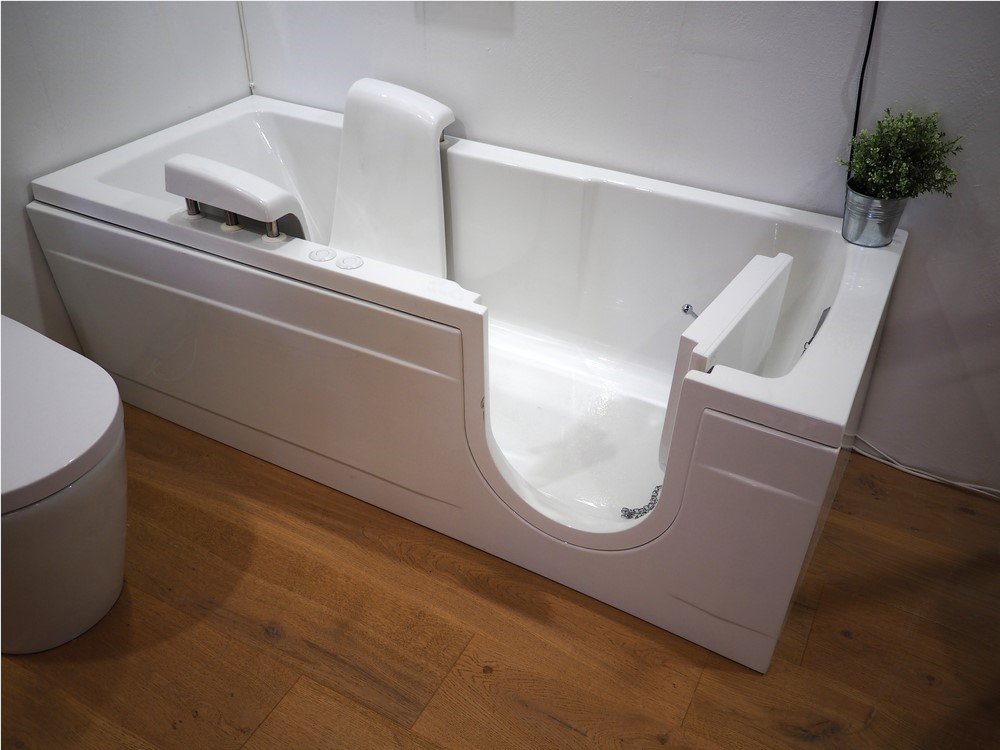
Choosing the right walk-in tub door is a crucial decision for anyone seeking safety, comfort, and independence in the bathroom. As walk-in tubs become more popular for seniors and those with mobility challenges, the debate between manual vs powered walk-in tub doors has become increasingly relevant. Each option offers unique advantages and drawbacks, and understanding these can help you make an informed choice for your home or care facility.
In this article, we’ll break down the key differences between manual and powered door mechanisms, discuss their benefits and limitations, and provide practical guidance on selecting the best fit for your needs. We’ll also highlight important safety considerations and link to related resources, such as walk-in tub frame construction types and other essential features for accessible bathing.
Understanding Walk-In Tub Door Mechanisms
Walk-in tubs are designed to provide easy access and reduce the risk of slips and falls. The door is a central feature, allowing users to enter and exit without stepping over a high threshold. There are two main types of door mechanisms:
- Manual doors: Operated by hand, typically using a latch, lever, or handle.
- Powered doors: Use an electric or battery-powered motor to open and close automatically, often with the push of a button.
Both types are engineered for watertight seals and user safety, but their operation and maintenance differ significantly. Let’s explore the pros and cons of each approach.
Advantages and Drawbacks of Manual Walk-In Tub Doors
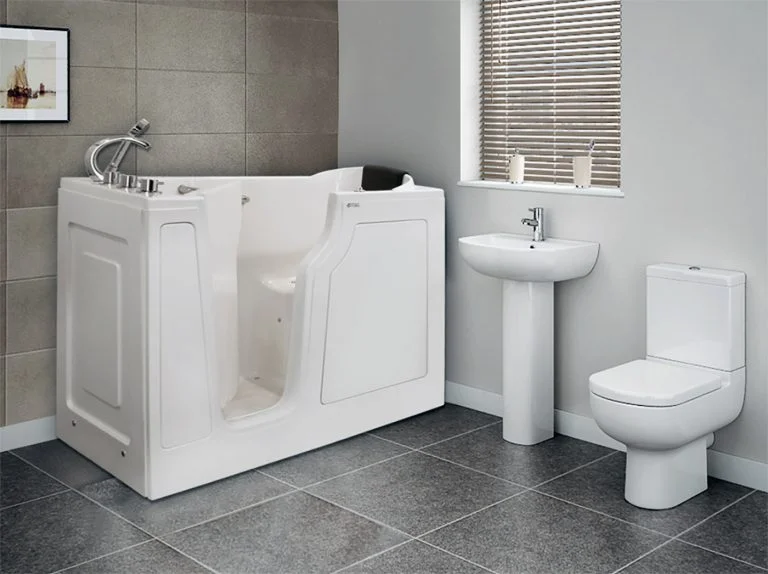
Manual doors are the traditional choice for most walk-in tubs. They are straightforward, reliable, and familiar to many users.
Benefits of Manual Door Systems
- Simplicity: Fewer moving parts mean less can go wrong. Manual doors are easy to understand and operate for most people.
- Reliability: Manual mechanisms are less likely to fail due to power outages or electrical issues.
- Lower Cost: Generally, tubs with manual doors are more affordable, both in initial price and long-term maintenance.
- Minimal Maintenance: No motors or electronics to service, making upkeep straightforward.
Potential Limitations
- Physical Effort: Some users may find it difficult to operate the latch or handle, especially if they have arthritis or limited hand strength.
- Accessibility: Manual doors may not be ideal for those with severe mobility impairments or who require hands-free operation.
- Seal Wear: Over time, the manual seal may require more frequent inspection to ensure water-tightness.
Powered Walk-In Tub Doors: Features and Considerations
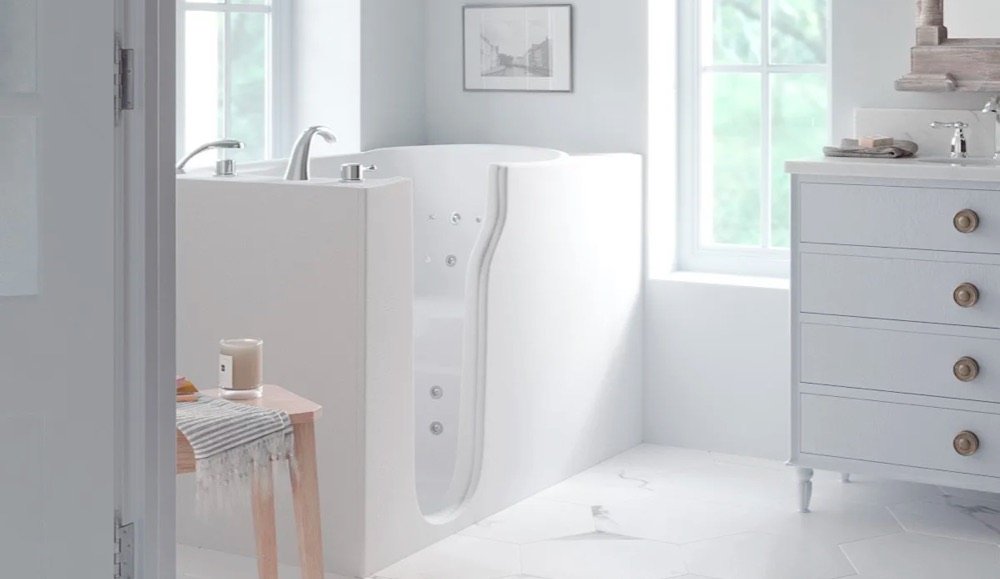
Powered doors represent a newer innovation in accessible bathing. These systems use motors to automate the opening and closing process, often controlled by a button or remote.
Key Advantages
- Ease of Use: Powered doors require little to no physical effort, making them ideal for users with limited strength or dexterity.
- Accessibility: These systems can often be operated with a single finger or even remotely, supporting greater independence.
- Modern Features: Some powered doors include safety sensors, automatic locking, and emergency release functions.
Downsides to Consider
- Higher Cost: The technology and installation involved make powered doors more expensive upfront.
- Maintenance Needs: Motors and electronics may require periodic servicing or replacement.
- Dependence on Power: In case of a power outage, some powered doors may not function, though many models include manual overrides.
- Complexity: More features can mean more potential points of failure.
Comparing Manual and Powered Door Options
When weighing manual vs powered walk-in tub doors, consider the following factors:
| Feature | Manual Door | Powered Door |
|---|---|---|
| Operation | Hand-operated latch or handle | Button or remote control |
| Accessibility | May require grip strength | Minimal effort required |
| Cost | Lower | Higher |
| Maintenance | Simple, infrequent | May need servicing |
| Power Dependency | None | Yes (with manual override) |
For a deeper dive into safety features, check out the walk-in tub safety certification checklist for what to look for when evaluating different models.
Safety, Comfort, and Installation Factors
Beyond the door mechanism, it’s important to consider overall tub safety and comfort. Features such as grab bars, non-slip surfaces, and proper water temperature controls all contribute to a safer bathing experience. For example, understanding best water temperature for walk-in tubs can help prevent burns and discomfort.
Installation may also differ between manual and powered doors. Powered models might require electrical wiring or battery installation, while manual doors are typically more straightforward. Always consult with a professional installer to ensure proper fit and function.
Maintenance and Warranty Considerations
Maintenance requirements can impact long-term satisfaction. Manual doors generally need little more than periodic cleaning and seal inspection. Powered doors, however, may require occasional motor checks or battery replacements. When shopping, review the manufacturer’s warranty terms. For more details, see understanding walk-in tub warranty terms to know what’s covered and for how long.
Who Should Choose Manual or Powered Doors?
The best choice depends on your unique needs:
- Manual doors are suitable for users who have adequate hand strength, want a lower-cost option, and prefer simplicity.
- Powered doors are ideal for those with limited mobility, caregivers assisting users, or anyone who values the convenience of automation.
It’s also worth considering future needs. If mobility may decrease over time, investing in a powered door could provide long-term value and independence.
Additional Resources and Expert Advice
For more information on accessible bathing solutions, you may want to explore the differences between walk-in baths and walk-in showers for aging in place. This can help you evaluate all options for a safer, more comfortable bathroom environment.
If you’re interested in the structural aspects, our guide to walk-in tub frame construction types explains the pros and cons of steel versus aluminum frames.
Frequently Asked Questions
Are powered walk-in tub doors safe during a power outage?
Most powered doors are designed with a manual override or emergency release mechanism, allowing users to open the door even if the power fails. Always confirm this feature before purchasing.
How do I maintain the seal on a manual walk-in tub door?
Regularly inspect the door seal for cracks or wear, clean it with mild soap, and avoid harsh chemicals. Replace the seal if it shows signs of damage to ensure a watertight fit.
Which is more cost-effective in the long run: manual or powered doors?
Manual doors generally have a lower upfront cost and require less maintenance. Powered doors offer greater accessibility but may incur higher initial and maintenance expenses over time.