

Creating the right environment for reading is about more than just choosing a comfortable chair or finding a quiet corner. The quality and placement of your lighting play a crucial role in ensuring both comfort and eye safety. Whether you’re reading for work, study, or leisure, understanding how to optimize lighting for safe reading can help prevent eye strain, improve focus, and make your reading sessions more enjoyable.
In this article, we’ll explore practical strategies for achieving optimal illumination in your reading spaces. From selecting the right bulb type and brightness to arranging fixtures for minimal glare, these tips are designed to promote clarity and comfort. If you’re also interested in home safety improvements, you might find our guide on walk-in shower grab bar weight ratings helpful for ensuring proper support in other areas of your home.
Why Proper Illumination Matters for Eye Health
The human eye is sensitive to both the intensity and quality of light. Insufficient or poorly directed lighting can lead to discomfort, headaches, and long-term vision problems. When you read in dim conditions, your eyes work harder to distinguish text, which can cause fatigue over time. On the other hand, overly bright or harsh lighting may create glare, making it difficult to focus on the page.
Using the right lighting for safe reading helps maintain visual comfort, reduces the risk of eye strain, and supports sustained concentration. It’s especially important for children, older adults, and anyone who spends extended periods reading.
Types of Lighting and Their Role in Reading Spaces
Understanding the different types of lighting can help you create a balanced environment for reading. Generally, lighting falls into three categories:
- Ambient Lighting: This is the main source of light in a room, such as ceiling fixtures or large lamps. It provides overall illumination but may not be sufficient for detailed tasks like reading.
- Task Lighting: Specifically designed to illuminate a particular area, task lighting includes desk lamps, reading lights, and adjustable floor lamps. This type is essential for comfortable reading.
- Accent Lighting: Used for decorative purposes, accent lighting highlights artwork or architectural features. While not directly related to reading, it can help reduce contrast and soften shadows in a room.
For more on the basic types of lighting and their uses, see this comprehensive overview of lighting types.
Choosing the Best Bulbs for Reading Comfort
The type of bulb you use has a significant impact on both the quality and safety of your reading environment. Here are some key factors to consider:
- Color Temperature: Bulbs are measured in Kelvins (K). For reading, a color temperature between 3,000K and 4,000K (warm to neutral white) is ideal. This range mimics natural daylight and is gentle on the eyes.
- Brightness: Measured in lumens, the right brightness depends on your age and the distance from the page. Generally, 450–800 lumens is suitable for most reading lamps.
- LED vs. Incandescent: LED bulbs are energy-efficient, long-lasting, and available in a variety of color temperatures. They also produce less heat, making them safer for close-up tasks.
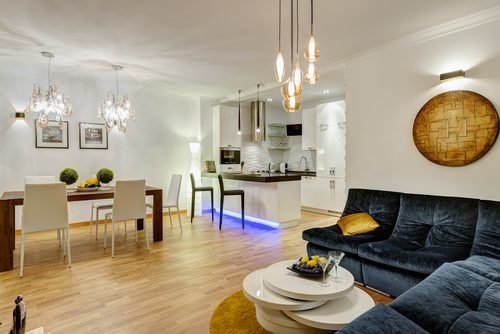
Positioning and Adjusting Your Reading Light
Placement of your light source is just as important as the type of bulb. To minimize shadows and glare, position your lamp so that the light falls directly onto your reading material without shining into your eyes. For right-handed readers, place the lamp on the left side; for left-handed readers, place it on the right. This reduces hand shadows across the page.
Adjustable lamps with flexible necks or arms allow you to direct light precisely where needed. If you use a floor lamp, ensure it is tall enough to cast light over your shoulder onto your book or device. For those who read in bed, wall-mounted or clip-on lights can provide focused illumination without disturbing others.
Reducing Glare and Eye Strain
Glare is a common culprit behind discomfort during reading. Here are some strategies to reduce glare and protect your eyes:
- Use lampshades or diffusers to soften direct light.
- Avoid shiny or reflective surfaces near your reading area.
- Combine ambient and task lighting to balance brightness and reduce harsh contrasts.
- Adjust screen brightness if reading on digital devices, and consider using blue light filters in the evening.
Special Considerations for Different Age Groups
As we age, our eyes require more light to see clearly. Children and older adults may benefit from brighter task lighting and adjustable fixtures. For seniors, glare reduction is especially important, as aging eyes are more sensitive to bright spots and reflections. Consider using dimmable LEDs or lamps with adjustable brightness to accommodate varying needs throughout the day.
For families, it’s helpful to create multiple reading zones with dedicated lights, so everyone can enjoy their preferred level of brightness without compromise.
Integrating Safe Lighting Into Your Home Design
Modern lighting solutions can blend seamlessly with your home’s décor while providing the necessary illumination for reading. Recessed LEDs, wall sconces, and under-cabinet lights are all effective options. Motion sensor night lights add convenience and safety, especially in bedrooms and hallways.
When planning your lighting layout, consider the placement of furniture and natural light sources. Position reading chairs and desks near windows to take advantage of daylight, but supplement with artificial light as needed for evening or cloudy days.
Frequently Asked Questions
What Is the Best Type of Light for Reading at Night?
The ideal choice for nighttime reading is a warm or neutral white LED bulb with a color temperature between 3,000K and 4,000K. This range provides enough brightness for clarity without being harsh on the eyes. Adjustable lamps or clip-on reading lights allow you to direct light precisely where needed, minimizing glare and shadows.
How Can I Prevent Eye Strain When Reading for Long Periods?
To reduce eye strain, use a combination of ambient and task lighting to create a balanced environment. Position your light source so it illuminates the page without shining directly into your eyes. Take regular breaks, blink often, and adjust screen settings if reading digitally. Using bulbs with the appropriate brightness and color temperature also helps maintain comfort.
Are LED Lights Safe for Reading?
Yes, LED lights are safe and effective for reading. They offer consistent brightness, low heat output, and are available in a range of color temperatures suitable for various needs. Opt for high-quality LEDs with a color rendering index (CRI) above 80 for the most natural and comfortable light.
Conclusion
Achieving the right lighting for safe reading involves a thoughtful combination of bulb selection, fixture placement, and glare reduction. By tailoring your lighting to your personal needs and preferences, you can create a comfortable, eye-friendly environment that supports both relaxation and productivity. For more tips on home safety and accessibility, explore our resources on topics like walk-in tub frame construction types and related guides.