
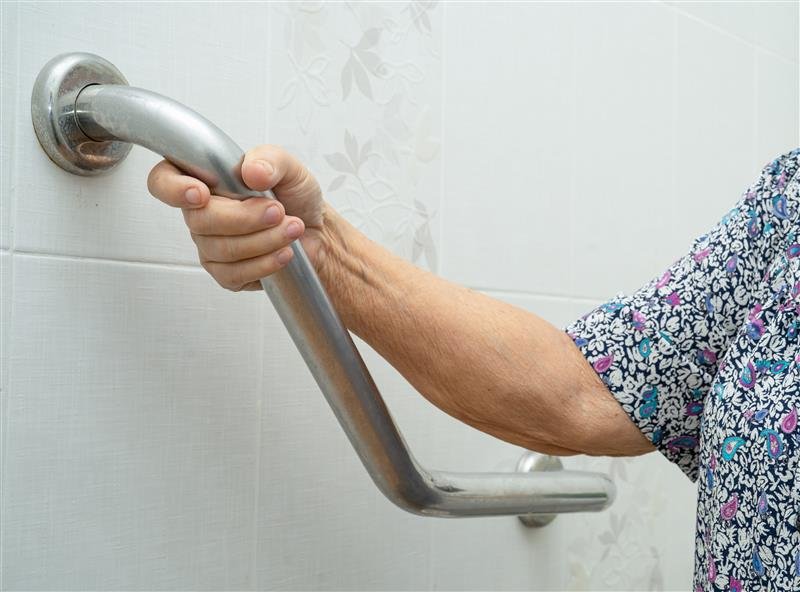
Falls are a leading cause of injury among older adults, often resulting in serious consequences that impact independence and quality of life. As people age, changes in balance, vision, and mobility can increase the risk of accidents at home. Fortunately, the right home safety equipment for seniors can significantly reduce these risks and help maintain a safe living environment. This guide explores essential products and practical tips to help older adults stay secure and confident in their own homes.
For those looking to make their living spaces safer, it’s important to consider a comprehensive approach. Simple modifications and the right assistive devices can make a substantial difference. If you’re interested in broader strategies, the aging in place home improvement checklist offers a thorough overview of home upgrades that support senior safety and comfort.
Why Fall Prevention Is Essential for Older Adults
Every year, millions of seniors experience falls at home, leading to injuries such as fractures, head trauma, and even long-term disability. The consequences extend beyond physical harm, often resulting in a loss of confidence and reduced independence. By investing in home safety equipment for seniors, families and caregivers can help minimize these risks and support aging in place.
Home modifications and assistive devices are not just about preventing accidents—they also promote peace of mind for both seniors and their loved ones. Proactive safety measures can help maintain mobility, encourage daily activity, and foster a sense of autonomy.
Key Areas to Address for Senior Home Safety
Certain locations in the home present a higher risk for slips and falls. Focusing on these areas ensures that preventive measures have the greatest impact:
- Bathrooms: Wet surfaces and limited space make bathrooms a common site for accidents.
- Stairways: Poor lighting and lack of support can increase the risk of tripping.
- Entryways: Uneven thresholds and clutter can cause unexpected falls.
- Living Areas: Rugs, cords, and furniture placement can create hazards.
Addressing these zones with the right senior safety equipment and modifications can make a significant difference.
Essential Home Safety Equipment for Seniors
There is a wide range of products designed to enhance safety and accessibility for older adults. Below are some of the most effective options for reducing fall risks at home.
Grab Bars and Bathroom Supports
Installing grab bars in key locations—such as beside the toilet, inside the shower, and near the bathtub—provides sturdy support for sitting, standing, and moving safely. These bars are available in various lengths and finishes to suit different needs and décor preferences.
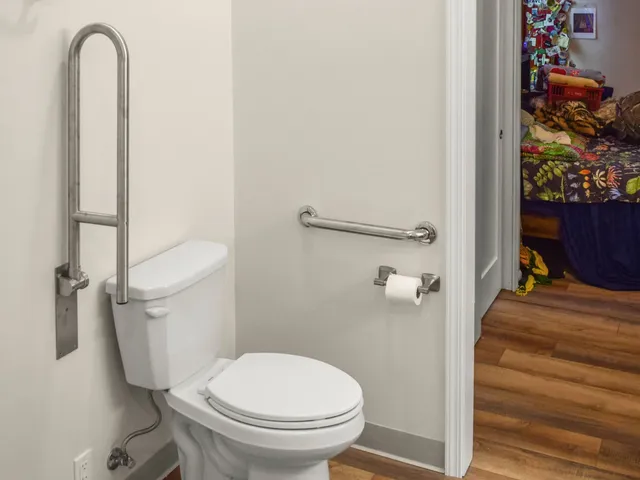
Grab bars are especially important in bathrooms, where wet floors can make surfaces slippery. For more details on how these devices improve safety, see this overview of grab bars in assisted living environments.
Toilet safety rails are another valuable addition, providing extra stability when sitting down or standing up. These rails are typically adjustable and can be installed without permanent modifications, making them suitable for renters or temporary needs.
Non-Slip Mats and Flooring Solutions
Slippery surfaces are a common hazard, particularly in bathrooms and kitchens. Non-slip mats with strong grip backing can be placed inside showers, bathtubs, and in front of sinks to reduce the risk of slipping. Additionally, consider replacing loose rugs with secured, low-pile options or using double-sided tape to keep them in place.
For those interested in more comprehensive upgrades, bathroom safety solutions for multigenerational homes provide practical ideas for creating safer shared spaces.
Mobility Aids and Walking Supports
Mobility devices such as canes, walkers, and rollators offer crucial support for seniors with balance or strength challenges. These aids are available in various designs, including lightweight folding models for easy storage and transport. Some walkers come equipped with built-in seats, baskets, or trays for added convenience.
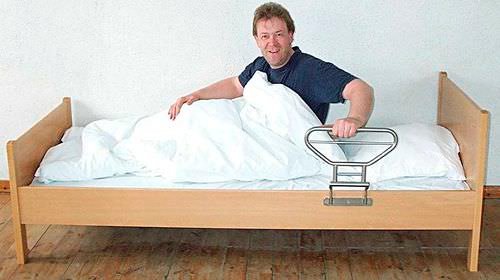
When selecting mobility aids, ensure the device is properly sized and adjusted for the user’s height and strength. Consulting with a physical therapist or occupational therapist can help identify the most suitable option.
Lighting and Visibility Enhancements
Poor lighting can make it difficult to see obstacles, especially at night. Upgrading to brighter, energy-efficient LED bulbs and adding nightlights in hallways, bathrooms, and bedrooms can help prevent trips and falls. Motion-activated lights are particularly helpful for seniors who may need to get up during the night.
Consider installing light switches at both ends of stairways and ensuring all pathways are well-lit. For more ideas on integrating technology, see smart home features that support senior mobility.
Stair and Entryway Modifications
Stairs and entryways are frequent sites of accidents for older adults. Installing sturdy handrails on both sides of staircases, adding non-slip treads, and ensuring steps are free of clutter can greatly improve safety. For entryways, consider adding ramps or threshold strips to eliminate tripping hazards.
If your home requires more extensive changes, easy home modifications for elderly safety offers practical solutions that can be implemented with minimal disruption.
Tips for Choosing and Installing Senior Safety Devices
Selecting the right home safety equipment for seniors involves more than just purchasing products. Here are some key considerations:
- Assess Individual Needs: Evaluate mobility, vision, and daily routines to identify the most relevant risks.
- Prioritize Quality and Durability: Choose products from reputable manufacturers with strong safety records.
- Professional Installation: For items like grab bars and ramps, proper installation is crucial for effectiveness and safety.
- Regular Maintenance: Check equipment periodically for signs of wear or damage and replace as needed.
- Consult Experts: Occupational therapists can provide personalized recommendations based on a home assessment.
Taking a proactive approach ensures that safety devices remain effective and continue to meet changing needs over time.
Additional Resources for Senior Home Safety
Beyond equipment, education and ongoing evaluation play a vital role in fall prevention. Encourage regular exercise to improve strength and balance, and review medications with a healthcare provider to minimize side effects that could affect stability.
For those planning larger renovations, building a safer bathroom for aging adults provides expert guidance on creating accessible, hazard-free spaces.
Frequently Asked Questions
What are the most important safety devices for preventing falls at home?
Some of the most effective devices include grab bars in bathrooms, non-slip mats, toilet safety rails, mobility aids like walkers or canes, and improved lighting throughout the home. These products address common hazards and provide essential support for daily activities.
How can I make a bathroom safer for an older adult?
Install grab bars near the toilet and inside the shower or bathtub, use non-slip mats, and consider a raised toilet seat or shower chair. Ensure the bathroom is well-lit and keep floors dry to reduce slipping risks.
Do I need professional help to install home safety equipment?
While some products, such as non-slip mats or nightlights, can be installed easily, others—like grab bars or ramps—should be professionally installed to ensure they are secure and effective. Consulting with an occupational therapist can also help identify the best solutions for your specific needs.
How often should I check or replace safety equipment?
It’s a good idea to inspect all safety devices regularly for signs of wear, damage, or instability. Replace any items that show signs of deterioration, and update equipment as mobility or health needs change.
Investing in the right home safety equipment for seniors is a practical and effective way to support independence and reduce the risk of falls. By addressing key areas of the home and choosing quality products, families can create a safer, more comfortable environment for their loved ones.