
Creating a safe living environment for older adults is essential for their well-being and independence. As people age, the risk of accidents in the home increases, especially from falls, slips, and other preventable mishaps. By understanding the most common hazards and implementing practical solutions, families can significantly reduce these risks. This guide offers elderly accident prevention tips that every household can use to support aging loved ones and foster a secure, comfortable home.
Many resources are available to help families make informed decisions about home safety. For a comprehensive approach to home upgrades and modifications, consider referencing the aging in place home improvement checklist, which covers essential improvements for senior safety.
Why Home Safety Matters for Seniors
Accidents at home are a leading cause of injury among older adults. Falls, burns, and even minor slips can have serious consequences, often leading to hospitalization or long-term health issues. According to the CDC, one in four Americans aged 65+ falls each year, and many of these incidents occur in familiar settings like the bathroom or kitchen. Taking proactive steps to address hazards can help seniors maintain their independence and quality of life.
Understanding the unique needs of elderly individuals is the first step in accident prevention. Factors such as reduced mobility, impaired vision, and slower reaction times make it crucial to adapt the living environment accordingly.
Key Elderly Accident Prevention Tips for the Home
Implementing a few targeted changes can dramatically improve safety for older adults. Here are some of the most effective strategies:
- Declutter walkways: Remove loose rugs, cords, and clutter from hallways and common areas to prevent tripping.
- Improve lighting: Ensure all rooms, stairways, and entryways are well-lit. Use nightlights in bedrooms and bathrooms.
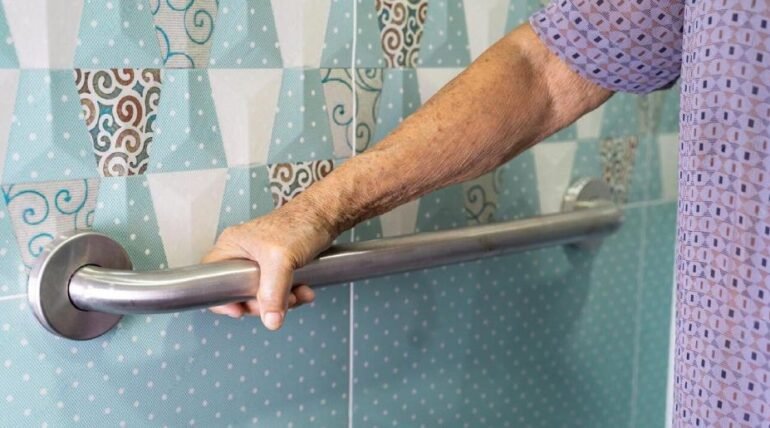
- Install grab bars and handrails: Place sturdy bars in bathrooms and along staircases to provide extra support.
- Non-slip surfaces: Use non-slip mats in the shower, bathtub, and kitchen to reduce the risk of slipping.
- Keep essentials within reach: Store frequently used items at waist level to avoid the need for climbing or bending.
- Regularly check safety devices: Test smoke detectors, carbon monoxide alarms, and emergency alert systems monthly.
For more ideas on how to create a safer living space, the home safety for elderly couples article offers additional insights on essential upgrades.
Bathroom Safety: A High-Risk Area
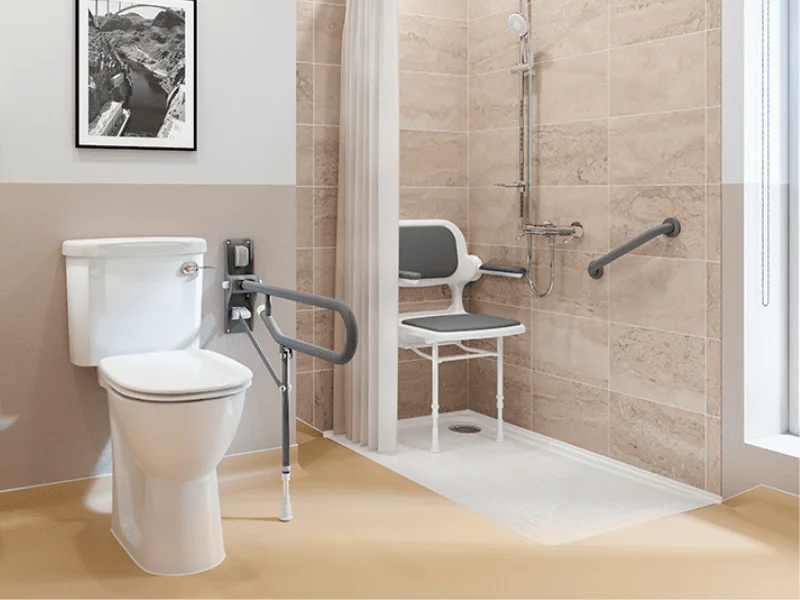
The bathroom is one of the most hazardous rooms for seniors due to slippery surfaces and limited space. Taking specific measures here can prevent many accidents:
- Install grab bars near the toilet and inside the shower or bathtub. These provide crucial support when sitting, standing, or moving.
- Use a shower chair or bench for added stability during bathing.
- Place non-slip mats both inside and outside the tub or shower.
- Consider raised toilet seats and toilet safety rails to make sitting and standing easier.
- Organize toiletries to keep them within easy reach, reducing the need to stretch or bend.
For more advice on organizing this space, see senior bathroom organization tips for easy mobility.
Grab bars are a simple yet effective way to enhance bathroom safety. To learn more about their benefits, visit this detailed guide on how bathroom grab bars enhance senior safety and mobility.
Reducing Fall Risks Throughout the Home
Falls are the most common cause of injury among seniors. By identifying and addressing risk factors, families can help prevent these incidents. Here are some practical suggestions:
- Secure loose carpets and use double-sided tape to keep rugs in place.
- Repair uneven flooring or thresholds that could cause trips.
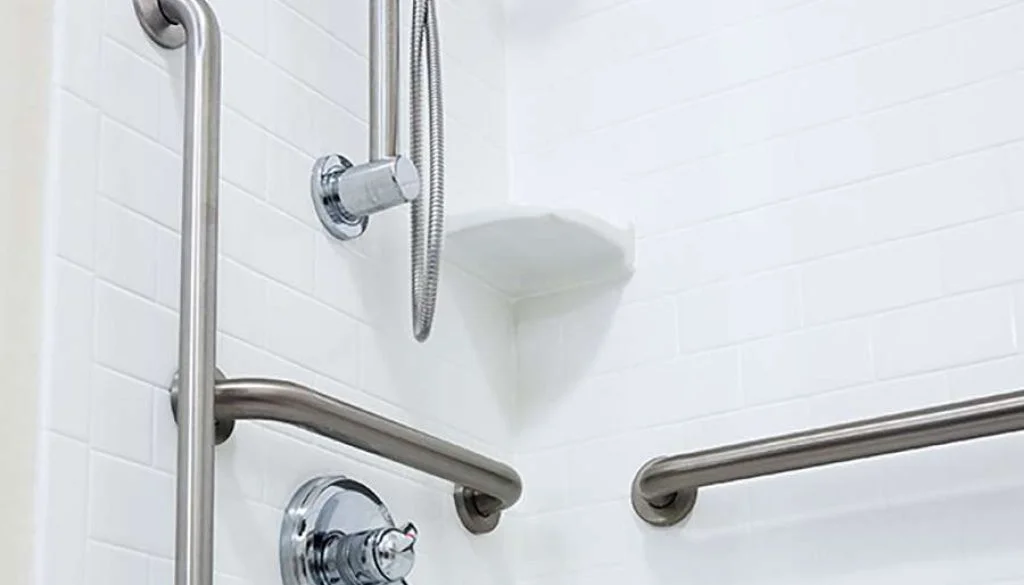
- Install handrails on both sides of stairways for extra support.
- Encourage the use of mobility aids like canes or walkers as needed.
- Arrange furniture to create clear, wide pathways for easy movement.
To better understand the underlying causes of falls, the article on understanding fall risks in older adults provides valuable information on risk factors and prevention strategies.
Kitchen and Living Area Safety
While bathrooms and stairways are high-risk zones, the kitchen and living areas also require attention. Here are some ways to enhance safety in these spaces:
- Organize kitchen tools and utensils for easy access, minimizing the need to reach high shelves.
- Use automatic shut-off appliances to prevent fires or burns.
- Keep floors dry and promptly clean up any spills.
- Arrange seating to provide sturdy support when standing or sitting.
For those considering broader home modifications, the retirement home safety modifications checklist is a helpful resource for planning upgrades that support long-term safety.
Maintaining Safety: Regular Checks and Communication
Accident prevention is an ongoing process. Regularly reviewing the home for hazards and making necessary adjustments is key. Encourage open communication with elderly family members about their needs and any difficulties they encounter. Involve them in decisions about safety improvements to ensure solutions are practical and comfortable for their daily routines.
Consider scheduling periodic safety checks, especially after any changes in health or mobility. This proactive approach can help identify new risks before they lead to accidents.
Frequently Asked Questions
What are the most common causes of accidents among seniors at home?
The most frequent causes include falls due to slippery surfaces, poor lighting, and cluttered walkways. Other risks involve burns in the kitchen, bathroom slips, and injuries from reaching or bending for items.
How can families encourage seniors to use safety devices?
Involving older adults in the selection and installation of safety equipment helps increase acceptance. Demonstrating the benefits and making sure devices are comfortable and easy to use also encourages regular use.
Are grab bars and safety rails difficult to install?
Many grab bars and safety rails are designed for easy installation, often requiring only basic tools. For best results and maximum security, consider professional installation, especially for wall-mounted bars in bathrooms.
What other resources are available for home safety planning?
In addition to the tips in this article, families can consult local aging agencies, occupational therapists, and online guides like the aging in place home improvement checklist for comprehensive advice.
By following these elderly accident prevention tips and regularly assessing the home environment, families can help their loved ones enjoy greater independence and peace of mind. Small changes today can make a significant difference in safety and quality of life for seniors.