
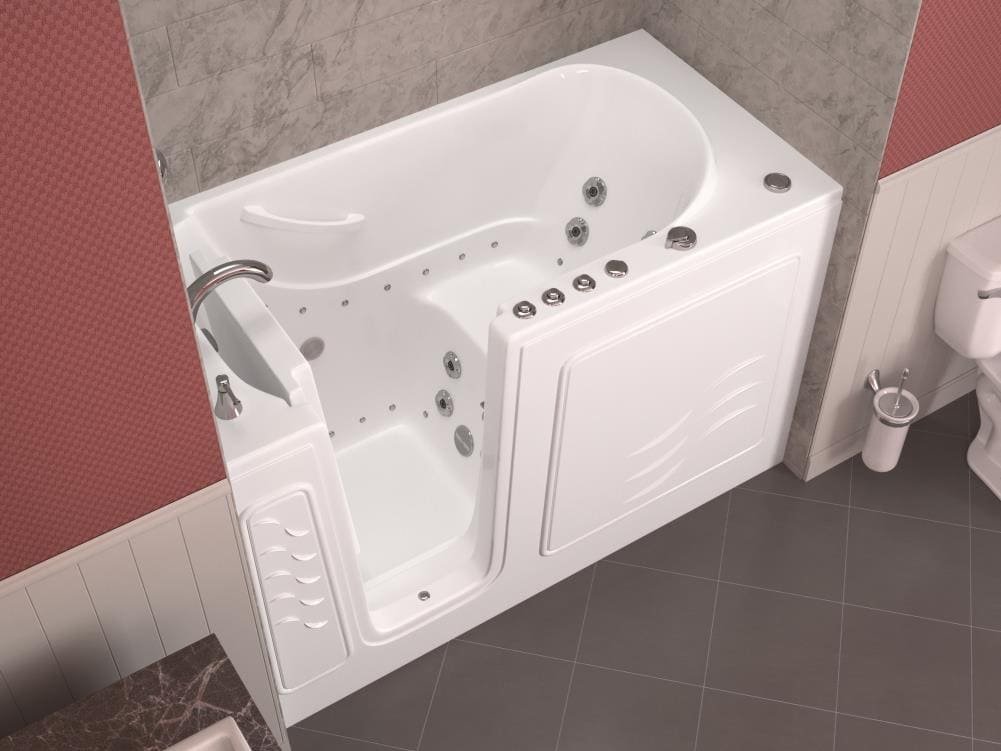
Choosing the right door style is a crucial decision when selecting a walk-in tub. The way the door swings—either inward or outward—affects not only the tub’s accessibility but also its safety, space requirements, and ease of use. For anyone considering a walk-in bathtub for themselves or a loved one, understanding the differences between these two door designs can help ensure a safer and more comfortable bathing experience.
In this guide, we’ll be comparing inward vs outward swinging doors for walk-in tubs, looking at their unique advantages, potential drawbacks, and the factors that might influence your choice. We’ll also touch on related safety features, maintenance tips, and how these options fit into broader bathroom accessibility solutions.
For those interested in related topics, you may also want to read about how to troubleshoot walk-in tub jet noise to ensure a peaceful and relaxing bath experience.
Understanding Door Mechanisms in Walk-In Bathtubs
Walk-in tubs are designed to provide safe, accessible bathing for people with mobility challenges. The door is a defining feature, allowing users to enter and exit without stepping over a high wall. There are two primary door types:
- Inward-swinging doors: These open into the tub, requiring the user to step in and pull the door closed behind them.
- Outward-swinging doors: These open out into the bathroom, allowing the user to push the door away from the tub to enter or exit.
Each design has its own set of benefits and considerations, which we’ll explore in detail below.
Advantages and Drawbacks of Inward-Swinging Doors
Many walk-in tubs feature inward-opening doors. This design is popular for several reasons, but it also comes with some limitations.
Benefits of Inward-Opening Doors
- Space-saving: Since the door opens into the tub, it doesn’t require extra clearance in the bathroom. This is ideal for smaller bathrooms or tight spaces.
- Enhanced water-tightness: The pressure of the water inside the tub pushes the door against its seal, helping prevent leaks during use.
- Simple operation: Many users find it easy to pull the door closed once inside, and the mechanism is generally straightforward.
Potential Limitations
- Emergency access: If a user falls or becomes incapacitated inside the tub, it may be difficult for a caregiver or emergency responder to open the door inward due to the person’s weight or obstruction.
- Entry and exit: The user must step into the tub and maneuver around the door, which can be challenging for those with limited mobility or who use mobility aids.
- Water drainage: The door cannot be opened until the tub is fully drained, as opening it with water inside could cause flooding.
Exploring Outward-Swinging Door Options
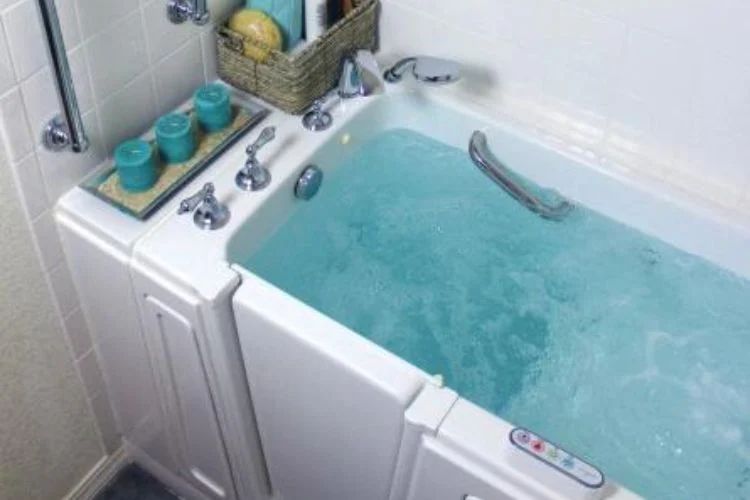
Outward-opening doors are increasingly common, especially in modern and premium walk-in tubs. They offer a different set of advantages and some unique challenges.
Key Benefits of Outward-Opening Doors
- Improved accessibility: These doors allow for easier entry and exit, particularly for wheelchair users or those who need to transfer from a seat or mobility aid.
- Emergency egress: In case of a fall or medical emergency, outward-swinging doors can be opened from the outside, making it easier for caregivers or responders to assist.
- Wider entry: Many outward-opening doors are designed to provide a broader entryway, reducing the need to maneuver around the door itself.
Considerations and Drawbacks
- Space requirements: These doors need clear space in the bathroom to swing open, which can be a challenge in smaller rooms.
- Seal reliability: Because water pressure pushes against the seal rather than into it, outward-opening doors require robust locking mechanisms and seals to prevent leaks.
- Potential obstructions: Bathroom fixtures, cabinets, or other obstacles may interfere with the door’s ability to open fully.

Comparing Inward vs Outward Swinging Doors: Which Is Right for You?
When comparing inward vs outward swinging doors for walk-in tubs, several factors should guide your decision:
| Feature | Inward-Swinging Door | Outward-Swinging Door |
|---|---|---|
| Space Efficiency | Ideal for small bathrooms | Requires more clearance |
| Accessibility | May be harder for wheelchair users | Better for transfers and mobility aids |
| Emergency Access | Can be difficult to open if blocked | Can be opened from outside |
| Water Seal | Water pressure improves seal | Needs strong locking mechanism |
| Entry/Exit | Requires stepping around door | Wider, unobstructed entry |
Ultimately, the best choice depends on your bathroom layout, mobility needs, and whether emergency access is a priority. If you have limited space, an inward-swinging door may be more practical. For those who use wheelchairs or require assistance, an outward-opening door can provide greater convenience and peace of mind.
Additional Considerations for Walk-In Tub Buyers
Beyond the door mechanism, there are other features and factors to keep in mind:
- Safety features: Look for tubs with non-slip floors, grab bars, and walk-in tub suction safety features to prevent entrapment.
- Hydrotherapy options: Many walk-in tubs offer jets for therapeutic massage. Learn more about walk-in tub foot massage jet benefits for circulation and comfort.
- Maintenance: Consider how easy it is to clean and maintain the tub, including the door seals and hardware.
- Installation requirements: Outward-swinging doors may require additional planning to ensure there’s enough space for safe operation.
For those interested in broader aging-in-place solutions, walk-in showers can also improve bathroom safety and accessibility.
Maintenance and Safety Tips
Proper care and regular checks are essential for the longevity and safe operation of your walk-in tub, regardless of door style. Here are some practical tips:
- Inspect door seals regularly for wear or damage to prevent leaks.
- Keep the door hinges and locking mechanisms clean and lubricated.
- Ensure the tub is fully drained before opening the door, especially with inward-swinging designs.
- Test safety features, such as grab bars and non-slip surfaces, periodically.
- Consider using microfiber towels for walk-in shower maintenance to keep surfaces clean and reduce slip risks.
Frequently Asked Questions
Are outward-swinging doors less watertight than inward-swinging doors?
Outward-opening doors require robust seals and locking mechanisms to prevent leaks, as water pressure pushes against the seal. Modern designs use high-quality materials and engineering to ensure water-tightness, but it’s important to check manufacturer specifications and reviews.
Which door style is better for wheelchair users?
Outward-swinging doors are generally more accessible for wheelchair users or those who need to transfer from a seat. They provide a wider, unobstructed entryway and make it easier for caregivers to assist if needed.
Can I install a walk-in tub with an outward-opening door in a small bathroom?
It depends on the available space. Outward-swinging doors require enough clearance to open fully without hitting other fixtures. If your bathroom is compact, measure carefully and consult with an installer to ensure the door can operate safely.
Conclusion
Both inward and outward-swinging doors offer distinct benefits for walk-in tubs. By considering your space, mobility needs, and safety priorities, you can select the door style that best fits your lifestyle. Take the time to compare features, consult with professionals, and read user feedback to make an informed decision for a safer and more comfortable bathing experience.