
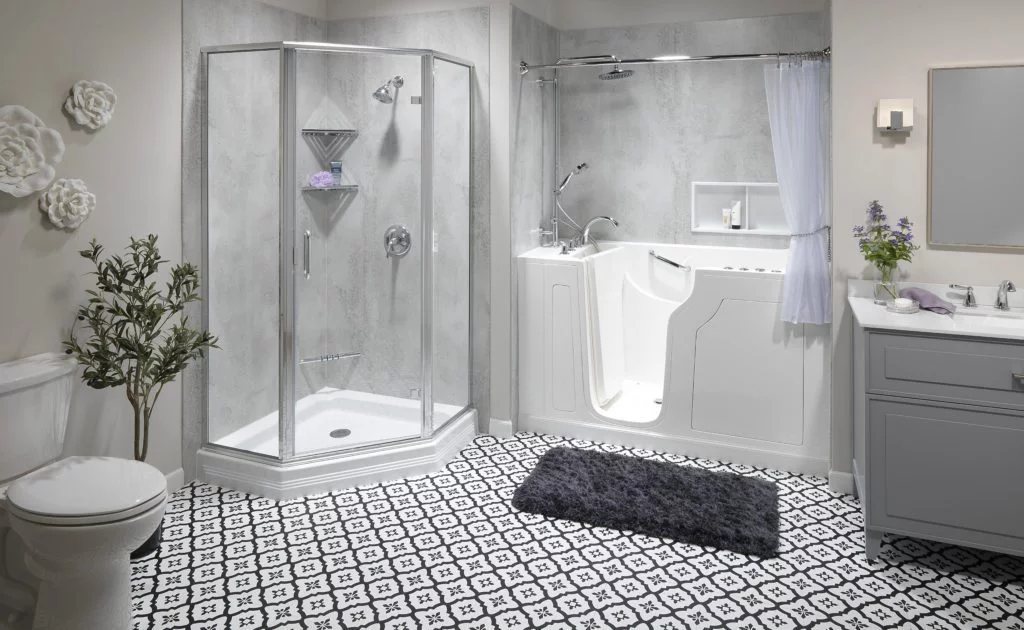
Slippery surfaces in the bathroom can be a serious hazard, especially in walk-in showers where water and soap combine to create a slick environment. Choosing the right non-slip flooring options for walk-in showers is crucial for anyone prioritizing safety, accessibility, and peace of mind. Whether you’re renovating for aging in place, improving accessibility, or simply want to prevent accidents, understanding the available choices can help you make the best decision for your space.
This article explores the most effective anti-slip surfaces, compares their features, and offers practical advice for installation and maintenance. For a broader look at accessible bathing, you might also find value in our guide on what are walk-in tubs, which covers the basics of walk-in tubs and their benefits.
Why Slip-Resistant Surfaces Matter in Walk-In Showers
Bathrooms are among the most common places for household falls, with walk-in showers presenting unique risks due to their open design and frequent water exposure. Selecting slip-resistant flooring helps reduce the likelihood of accidents, particularly for seniors, children, and those with mobility challenges. Beyond personal safety, these surfaces can also contribute to easier cleaning and long-term durability.
If you’re weighing different shower designs, our comparison of walk-in shower vs curbless shower discusses safety and style considerations that may influence your flooring choice.
Top Non-Slip Flooring Materials for Shower Safety
There are several reliable materials designed to minimize slips while maintaining a comfortable, attractive shower environment. Here are the most popular non-slip flooring options for walk-in showers:
Textured Porcelain and Ceramic Tiles
Tiles remain a favorite for their versatility and design options. For shower floors, it’s essential to choose tiles with a textured or matte finish, which offer more grip than glossy surfaces. Look for tiles rated for wet areas and check the slip-resistance rating (often indicated as a COF, or coefficient of friction). Smaller tiles with more grout lines can also enhance traction.
Slip-Resistant Vinyl Flooring
Modern vinyl flooring is available in slip-resistant varieties specifically engineered for wet environments. These sheets or planks often feature a textured surface and are easy to install, making them a practical choice for renovations. Vinyl is also warm underfoot and simple to maintain.
Natural Stone With Anti-Slip Treatment
Stone surfaces like slate, granite, or travertine add a luxurious touch but can be slippery when polished. Opt for honed or textured finishes, and consider applying a specialized anti-slip treatment to further improve safety. Regular resealing is important to maintain both appearance and slip resistance.
Shower-Specific Mats and Modular Flooring
For those who want a quick upgrade without a full remodel, high-quality shower mats or modular interlocking tiles can be placed directly on the existing floor. These products are designed to drain water efficiently and provide a grippy surface, making them ideal for renters or temporary solutions.
Comparing Durability, Maintenance, and Comfort
When evaluating anti-slip flooring for showers, it’s important to consider not just safety, but also how each material will perform over time. Here’s a quick comparison:
| Material | Slip Resistance | Maintenance | Comfort |
|---|---|---|---|
| Textured Tile | High (with proper rating) | Easy, regular cleaning | Firm, cool underfoot |
| Slip-Resistant Vinyl | High | Very easy | Soft, warmer feel |
| Natural Stone (Honed/Textured) | Moderate to High (with treatment) | Needs sealing | Varies by stone |
| Shower Mats/Modular Tiles | High | Removable, easy to clean | Soft, cushioned |
For more on shower wall materials that complement safe flooring, see our article on the best materials for walk-in shower walls.
Installation Tips for Safe Shower Floors
Proper installation is just as important as material choice. Here are some best practices:
- Ensure the subfloor is level and waterproofed before installing any surface.
- Use non-slip grout and sealants where possible.
- For tiles, opt for smaller sizes (2”x2” or less) to increase grout lines and grip.
- Follow manufacturer instructions for anti-slip treatments or coatings.
- Regularly inspect and maintain surfaces to prevent buildup of soap scum or mold, which can reduce traction.
Enhancing Shower Safety With Additional Features
While non-slip flooring options for walk-in showers are essential, combining them with other safety features can further reduce risks. Consider adding:
- Grab bars for stability and support
- Built-in or portable shower seats
- Handheld showerheads for flexible use
- Low-threshold or curbless entry for easier access
For a comprehensive overview of safety enhancements, our article on safety features of walk-in bathtubs covers additional ways to make your bathroom safer for everyone.
If you’re planning for aging in place or want to learn more about accessible design, the walk-in showers for seniors guide provides further insights into creating a safe and comfortable bathing environment.
Frequently Asked Questions
What is the best non-slip flooring for a walk-in shower?
The best choice depends on your needs and preferences. Textured porcelain or ceramic tiles, slip-resistant vinyl, and modular shower mats are all excellent options. Look for surfaces specifically rated for wet areas and prioritize those with a high slip-resistance rating.
How can I make my existing shower floor less slippery?
You can add anti-slip mats, apply a non-slip treatment or coating, or use modular interlocking tiles designed for wet environments. Regular cleaning to remove soap residue and mold will also help maintain traction.
Are natural stone floors safe for showers?
Natural stone can be safe if you choose a honed or textured finish and apply an anti-slip treatment. Polished stone is generally not recommended for wet areas due to its slick surface.
How often should I clean non-slip shower floors?
It’s best to clean shower floors at least once a week to prevent buildup of soap scum and mold, which can reduce slip resistance. Use non-abrasive cleaners to protect the surface texture.
Conclusion
Selecting the right non-slip flooring options for walk-in showers is a key step in creating a safer, more accessible bathroom. By understanding the strengths of each material and following proper installation and maintenance practices, you can significantly reduce the risk of slips and falls. Combine these surfaces with other safety features for the best results, and always keep accessibility and comfort in mind for every member of your household.