
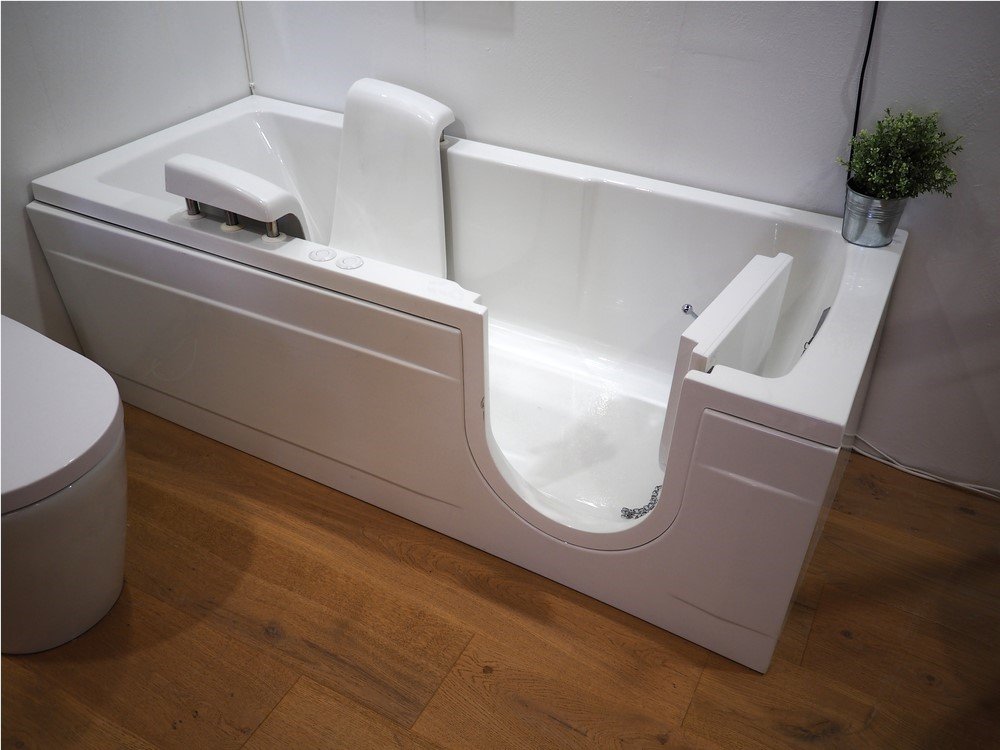
For those seeking effective ways to support muscle recovery and overall wellness at home, walk-in tubs offer a unique combination of comfort, safety, and therapeutic features. Whether you are an athlete, someone managing chronic pain, or simply looking to enhance your daily self-care routine, these specialized bathtubs can provide a range of advantages that go beyond traditional bathing. In this article, we’ll explore how walk-in tubs support muscle health, promote relaxation, and contribute to a safer and more enjoyable bathing experience.
Before diving into the specific advantages, it’s worth noting that walk-in tubs are designed with accessibility and safety in mind. Their low-entry threshold, built-in seating, and easy-to-use controls make them ideal for individuals of all ages and mobility levels. For those interested in additional features, such as foot massage jets, you can learn more about walk-in tub foot massage jet benefits and how they further enhance circulation and comfort.
How Walk-In Tubs Aid Muscle Recovery
One of the primary reasons people turn to walk-in tubs is their ability to support muscle recovery after exercise, injury, or daily strain. The combination of warm water immersion and hydrotherapy jets can help reduce muscle soreness, improve flexibility, and speed up the healing process.
- Hydrotherapy jets: Many walk-in tubs are equipped with adjustable jets that target specific muscle groups. These jets deliver a gentle or invigorating massage, helping to relieve tension and promote blood flow to sore areas.
- Warm water immersion: Soaking in warm water helps relax muscles, decrease stiffness, and ease joint pain. The buoyancy provided by the water also reduces pressure on the body, making movement easier and less painful.
- Consistent temperature control: Unlike standard bathtubs, walk-in models often feature precise temperature controls, allowing users to maintain the ideal warmth for therapeutic benefits.
For those who want to maximize the benefits of walk-in tubs for muscle recovery, using the tub after workouts or physical therapy sessions can be especially effective. The combination of heat and massage can help flush out lactic acid and reduce inflammation, supporting faster recovery times.
Wellness Advantages Beyond Muscle Relief
While the focus is often on muscle health, walk-in tubs also offer broader wellness benefits. Regular use can contribute to improved sleep, reduced stress, and enhanced overall quality of life.
- Stress reduction: The calming effect of a warm bath, combined with massage jets, can lower stress hormones and promote relaxation.
- Improved circulation: Hydrotherapy encourages better blood flow, which is essential for healing and maintaining healthy tissues.
- Enhanced sleep quality: A relaxing soak before bed can help regulate body temperature and signal to the body that it’s time to wind down, leading to deeper, more restful sleep.
- Joint and arthritis relief: For those with arthritis or chronic joint pain, the buoyancy and warmth of a walk-in tub can provide significant relief and improve mobility.
To further support wellness, consider using accessories like microfiber towels, which are easy to maintain and gentle on the skin. For more on this topic, see the benefits of microfiber towels for walk-in showers.

Safety and Accessibility Features
Walk-in tubs are designed to make bathing safer and more accessible for everyone, especially those with limited mobility or balance concerns. These features not only prevent accidents but also make it easier to enjoy the therapeutic benefits of hydrotherapy without worry.
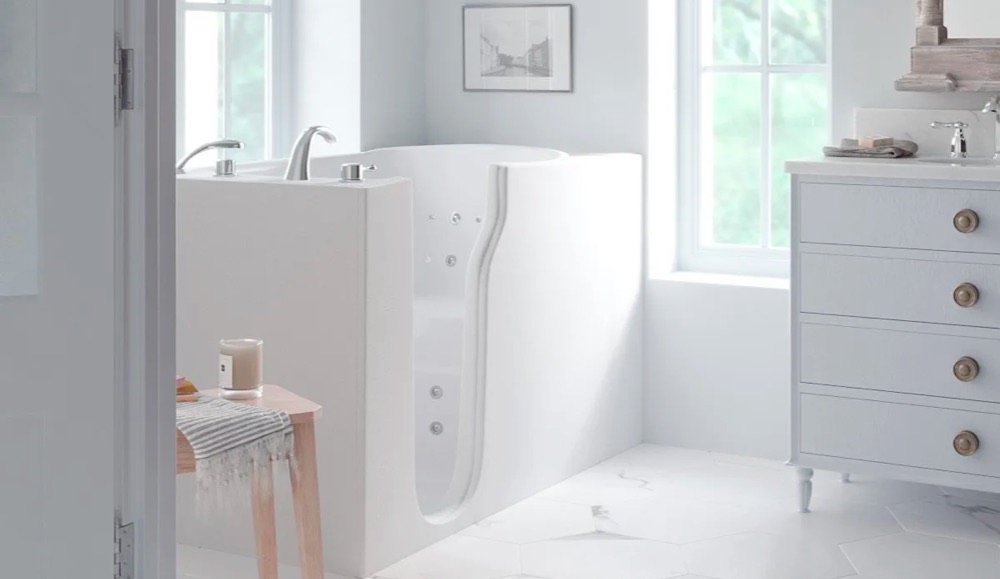
- Low-entry threshold: The door allows users to step in and out with minimal effort, reducing the risk of slips and falls.
- Built-in seating: A comfortable, contoured seat provides stability and support during bathing, making it easier to relax and benefit from the tub’s features.
- Non-slip surfaces: Many models include textured flooring to prevent slipping, even when wet.
- Grab bars and handrails: Strategically placed supports help users maintain balance and confidence while entering, exiting, or moving within the tub.
For those concerned about suction safety, it’s helpful to understand walk-in tub suction safety features and how they prevent entrapment and ensure a secure bathing experience.
Comparing Walk-In Tubs to Other Bathing Solutions
When considering options for muscle recovery and wellness, it’s important to compare walk-in tubs with other solutions such as standard bathtubs, showers, and spa facilities. Walk-in tubs stand out for their combination of accessibility, safety, and therapeutic features.
- Standard bathtubs: These often lack the safety and hydrotherapy features of walk-in models, making them less suitable for those with mobility issues or specific recovery needs.
- Showers: While convenient, showers do not provide the same level of immersion or targeted muscle relief. However, non-porous surfaces in walk-in showers can make cleaning easier, as discussed in walk-in shower non-porous surface benefits.
- Spa facilities: While spas offer hydrotherapy, they may not be accessible or practical for daily use. Walk-in tubs bring similar benefits into the comfort of your own home.
For a detailed comparison of walk-in tubs and showers, the differences between walk-in baths and walk-in showers for aging in place can provide additional insights.
Installation and Maintenance Considerations
Choosing the right walk-in tub involves considering installation requirements and ongoing maintenance. Most models are designed to fit standard bathroom spaces, but professional installation is recommended to ensure safety and proper function.
- Electrical and plumbing: Some walk-in tubs require dedicated electrical circuits for features like jets and heaters. Ensuring proper grounding is essential for safety; see how to check walk-in tub electrical grounding for more information.
- Cleaning: Many walk-in tubs are made from non-porous materials that resist mold and mildew, making them easier to clean and maintain.
- Routine checks: Regularly inspecting seals, jets, and controls helps keep the tub in optimal condition and extends its lifespan.
By following manufacturer guidelines and performing simple maintenance tasks, users can enjoy the therapeutic and wellness benefits of their walk-in tub for years to come.
Frequently Asked Questions
How often should I use a walk-in tub for muscle recovery?
Most people benefit from using their walk-in tub several times a week, especially after physical activity or therapy sessions. However, frequency can vary based on individual needs and health conditions. Consult with a healthcare provider for personalized recommendations.
Are walk-in tubs safe for people with limited mobility?
Yes, walk-in tubs are specifically designed to enhance safety for those with mobility challenges. Features like low-entry doors, built-in seating, and grab bars make entering and exiting the tub much safer than traditional bathtubs.
Can I install a walk-in tub in a small bathroom?
Many walk-in tubs are available in compact sizes to fit standard bathroom layouts. It’s important to measure your space and consult with a professional installer to ensure a proper fit and safe installation.
Do walk-in tubs help with conditions other than muscle soreness?
Absolutely. In addition to supporting muscle recovery, walk-in tubs can provide relief for arthritis, joint pain, and stress, and can promote better sleep and overall wellness.
What maintenance is required for a walk-in tub?
Routine cleaning with mild, non-abrasive cleaners is usually sufficient. Regularly check seals, jets, and controls to ensure everything is functioning properly. Refer to the manufacturer’s instructions for detailed care guidelines.