For older adults, the bathroom can present significant safety challenges. Slippery surfaces, limited mobility, and reduced balance all contribute to a higher risk of falls, especially in the shower. Investing in accessible shower solutions for seniors is a proactive way to minimize these hazards and support independence at home. This article explores practical upgrades, essential safety features, and expert tips to help families and caregivers create a safer bathing environment for their loved ones.
Understanding the unique needs of seniors is crucial when planning bathroom modifications. From installing grab bars to choosing non-slip flooring, each improvement can make a substantial difference in daily life. For a comprehensive approach to home safety, consider reviewing the aging in place home improvement checklist, which covers a range of accessibility upgrades beyond the bathroom.
Why Shower Safety Matters for Older Adults
Falls are a leading cause of injury among seniors, and the bathroom is one of the most common places these accidents occur. Wet floors, high thresholds, and limited support contribute to the risk. According to the CDC, one in four Americans aged 65+ falls each year, with many incidents happening during routine activities like bathing.
Implementing shower safety solutions is not just about preventing slips—it’s about preserving dignity, independence, and peace of mind for seniors and their families. By making targeted improvements, you can help reduce the likelihood of falls and support safer daily routines.
Key Features of Accessible Shower Solutions for Seniors
When considering upgrades, focus on features that address both mobility and safety. Here are some essential elements to include:
- Low-Threshold or Walk-In Showers: These designs eliminate the need to step over a high tub edge, making entry and exit much easier.
- Non-Slip Flooring: Specialized tiles or mats provide traction even when wet, significantly reducing the risk of slipping.
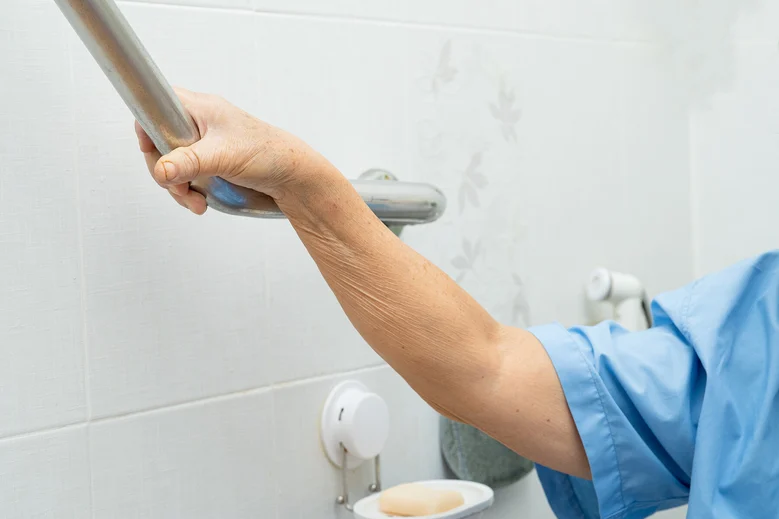
- Grab Bars: Securely installed bars offer support for standing, sitting, and moving within the shower area.
- Shower Seats or Benches: Allowing seniors to sit while bathing can prevent fatigue and falls.
- Handheld Showerheads: Adjustable and easy to use, these make it possible to shower while seated or standing.
- Proper Lighting: Bright, glare-free lighting helps seniors see obstacles and navigate safely.
For more ideas on how to make your bathroom safer, check out the bathroom accessibility upgrades that make a difference guide.
Choosing and Installing Grab Bars for Maximum Support
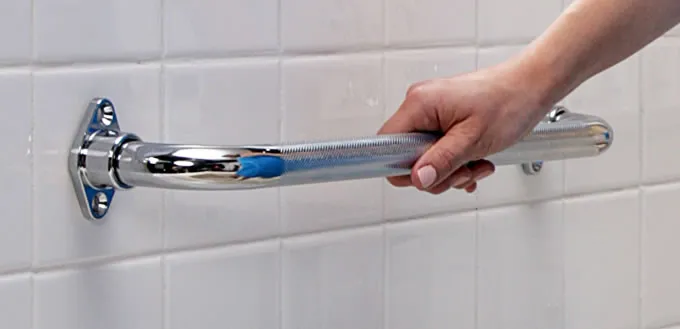
Grab bars are a cornerstone of accessible shower solutions for seniors. They provide reliable support for entering, exiting, and moving within the shower. When selecting grab bars, look for models that are:
- Made of rust-resistant materials
- Textured or knurled for better grip
- Properly sized for the intended space
Installation is just as important as the product itself. Bars should be anchored into wall studs or with proper mounting hardware to ensure they can support weight. For a step-by-step overview, refer to this detailed grab bar installation guide.
Strategic placement is key. Common locations include:
- Vertically at the shower entrance for support when stepping in or out
- Horizontally along the side wall for stability while standing or sitting
- Near the shower controls for safe access
For additional insights on maintaining independence and safety, the senior independence and bathroom safety resource offers practical advice for families and caregivers.
Additional Tips for Preventing Slips in the Shower
Beyond installing accessible shower solutions for seniors, there are several other steps you can take to enhance safety:
- Keep the floor dry: Use absorbent bath mats outside the shower to catch drips and prevent puddles.
- Declutter the shower area: Remove unnecessary bottles or items that could be tripping hazards.
- Adjust water temperature: Set the water heater to a safe maximum (around 120°F) to prevent burns.
- Ensure easy access: Store towels, soap, and other essentials within reach to avoid overreaching or bending.
- Schedule regular maintenance: Check for leaks, loose tiles, or worn-out mats and replace them as needed.
Understanding the underlying risks is also important. The article on understanding fall risks in older adults provides valuable information on why seniors are more susceptible to slips and how to address these issues holistically.
Integrating Accessible Showers into a Whole-Home Safety Plan
While bathroom modifications are essential, a comprehensive home safety strategy should address all living areas. Consider evaluating entryways, hallways, and bedrooms for similar hazards. The improving quality of life through accessibility guide offers actionable steps for making every room safer and more comfortable for seniors.
Collaborating with occupational therapists or home modification specialists can help identify specific needs and recommend tailored solutions. Many local organizations and nonprofits offer assessments and installation services for families seeking expert support.
Frequently Asked Questions
What are the most important features to look for in a senior-friendly shower?
Key features include a low or no-threshold entry, non-slip flooring, sturdy grab bars, a shower seat, and a handheld showerhead. These elements work together to reduce fall risks and make bathing more comfortable for older adults.
How do I know where to install grab bars in the shower?
Grab bars should be placed where support is most needed—typically at the entrance, along the side wall, and near the controls. For best results, consult a professional or follow a trusted installation guide to ensure proper placement and secure mounting.
Can accessible shower solutions be added to any bathroom?
Most bathrooms can be modified to improve accessibility, though the extent of changes may depend on the existing layout and available space. Even small updates, such as adding grab bars and non-slip mats, can make a big difference. For larger renovations, consult with a home accessibility specialist.
Are there financial assistance programs for bathroom safety upgrades?
Some local agencies, nonprofits, and government programs offer grants or low-cost loans for home modifications. It’s worth researching resources in your area or contacting organizations focused on senior safety and accessibility.
Investing in accessible shower solutions for seniors is a practical step toward creating a safer, more comfortable home. By combining thoughtful design with proven safety features, you can help your loved ones maintain their independence and well-being for years to come.