
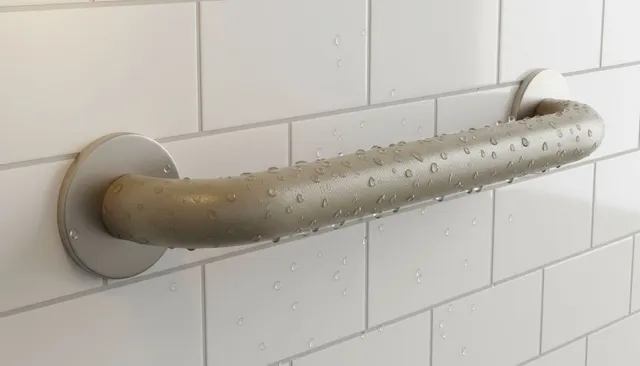
As people live longer and choose to remain in their own homes, creating safe living environments for aging populations has become a top priority for families, caregivers, and communities. The right home modifications and safety measures can significantly reduce the risk of falls, injuries, and daily challenges, allowing older adults to maintain independence and quality of life.
Designing spaces that support aging adults involves more than just adding a few grab bars. It requires a thoughtful approach to accessibility, comfort, and adaptability. Whether you’re planning for your own future or helping a loved one, understanding the essential elements of a secure home is the first step toward successful aging in place.
For a practical checklist to assess and improve your home’s safety, see the aging in place home improvement checklist for seniors. This resource covers essential upgrades and tips for making any residence more secure and comfortable for older adults.
Key Features of Secure Homes for Older Adults
Establishing a secure environment for seniors means addressing common hazards and anticipating future needs. Here are some of the most important features to consider:
- Non-slip flooring: Replace or treat slippery surfaces, especially in kitchens and bathrooms.
- Good lighting: Install bright, glare-free lights in hallways, staircases, and entryways to prevent trips and falls.
- Clear pathways: Remove clutter and ensure walkways are wide enough for mobility aids.
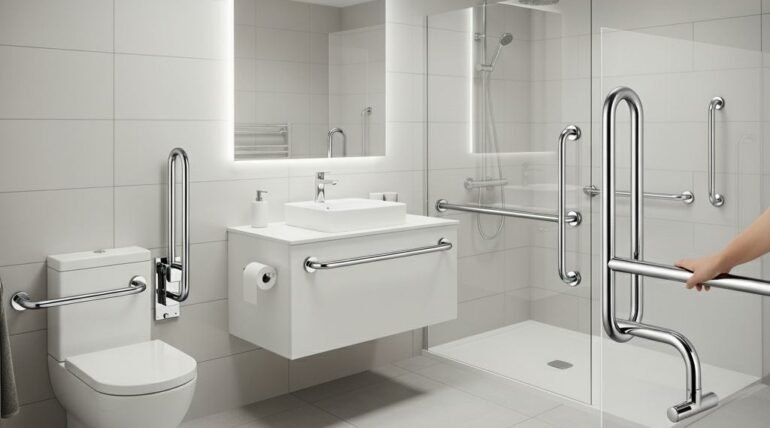
- Accessible bathrooms: Add grab bars, shower seats, and raised toilet seats for safety and ease of use.
- Lever-style handles: Replace round doorknobs and faucet handles with levers for easier operation.
- Stair safety: Install sturdy railings on both sides and consider ramps or stairlifts if needed.
These modifications not only reduce the risk of accidents but also support confidence and autonomy for aging individuals.
Bathroom Upgrades for Safety and Comfort
The bathroom is one of the most common locations for falls and injuries among older adults. Implementing bathroom safety solutions is essential for a truly supportive home. Installing grab bars near the toilet and in the shower, using non-slip mats, and ensuring easy access to bathing areas are all effective strategies.
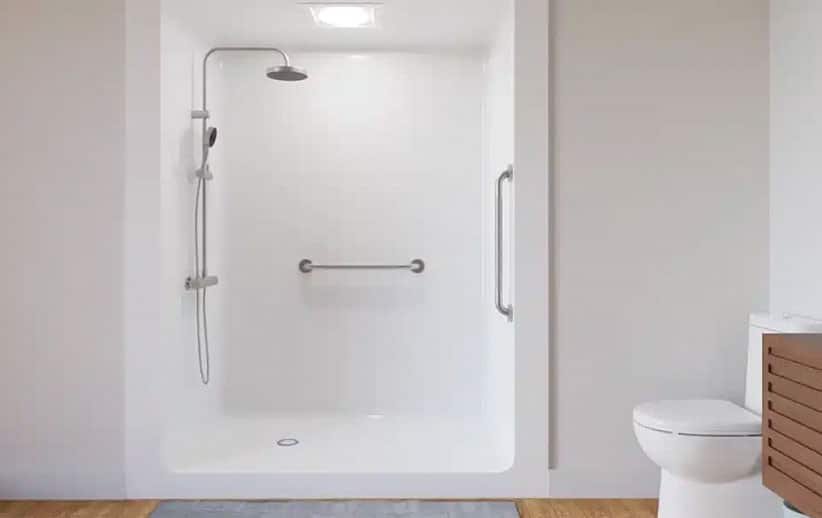
For more ideas on adapting bathrooms for multiple generations, explore bathroom safety solutions for multigenerational homes. This guide covers practical upgrades that benefit everyone in the household, not just seniors.
When installing grab bars, placement is crucial. For expert advice on where to position them for maximum benefit, see this comprehensive guide to grab bar installation.
Adapting Living Spaces for Mobility and Accessibility
Mobility challenges can develop gradually, making it important to design homes that are flexible and adaptable. Some effective strategies for safe living environments for aging populations include:
- Widening doorways to accommodate walkers or wheelchairs
- Removing thresholds or installing low-profile transitions between rooms
- Ensuring that furniture is arranged to allow easy movement
- Placing commonly used items within easy reach to avoid unnecessary bending or stretching
Smart technology can further enhance safety and independence. For example, automated lighting, voice-activated assistants, and remote monitoring systems can help seniors manage daily tasks and stay connected with caregivers. For more on this topic, see smart home features that support senior mobility.
Fall Prevention and Emergency Preparedness
Falls are a leading cause of injury among older adults, but many incidents can be prevented with proactive measures. In addition to home modifications, consider these fall prevention tips:
- Encourage regular exercise to maintain strength and balance
- Schedule routine vision and hearing checks
- Review medications with a healthcare provider to identify side effects that may increase fall risk
- Keep emergency contact information easily accessible
- Install medical alert systems for immediate assistance if needed
Emergency preparedness also means having a plan for power outages, natural disasters, or medical emergencies. Make sure that all household members know what to do and where to find essential supplies.
Simple Modifications for Daily Living
Not all improvements require major renovations. Many easy home modifications for elderly safety can be completed in a weekend and make a significant difference:
- Adding nightlights in bedrooms and hallways
- Securing loose rugs or removing them entirely
- Installing handrails on both sides of stairs
- Using contrasting colors to highlight steps and edges
- Lowering closet rods and shelves for easier access
For a step-by-step approach to simple upgrades, check out easy home modifications for elderly safety. These tips help make any home safer and more comfortable for older adults.
Supporting Independence and Dignity
Creating a supportive home is about more than just safety—it’s about fostering independence and dignity. Involving older adults in decisions about their living environment helps ensure that changes meet their preferences and needs. Regularly reassess the home as circumstances change, and be open to new solutions that can improve comfort and security.
For those considering more extensive renovations, resources like building a safer bathroom for aging adults provide in-depth guidance on planning and executing accessible upgrades.
Frequently Asked Questions
What are the most important safety features for seniors living at home?
Key features include non-slip flooring, grab bars in bathrooms, good lighting, clear pathways, lever-style handles, and sturdy stair railings. These elements help prevent falls and make daily activities easier.
How can technology help create safer living spaces for older adults?
Smart home devices such as automated lighting, voice assistants, and remote monitoring systems can enhance safety, provide reminders, and allow for quick communication with caregivers or emergency services.
Where should grab bars be installed in the bathroom?
Grab bars are most effective when placed near the toilet, inside and just outside the shower or bathtub, and along any walls where extra support may be needed. For detailed placement tips, refer to this grab bar installation guide.
How often should home safety be reassessed for aging adults?
It’s recommended to review home safety at least once a year or whenever there is a change in mobility, health status, or living arrangements. Regular assessments ensure that the environment continues to meet the individual’s needs.