

Bathroom safety is a top concern for anyone considering a walk-in tub, especially for seniors and those with mobility challenges. One of the most important factors to evaluate is how slip-resistant the tub floor and seat are. Walk-in tub slip resistance ratings help consumers compare products and make informed decisions, but understanding what these ratings mean—and how they’re measured—can be confusing. This guide breaks down the essentials of slip resistance, focusing on the role of the Coefficient of Friction (COF), so you can confidently choose a safer bathing solution.
Alongside slip resistance, there are other safety features to consider, such as grab bars and frame construction. For example, you can learn more about walk-in shower grab bar weight ratings to ensure comprehensive bathroom safety.
What Is Slip Resistance and Why Does It Matter?
Slip resistance refers to how well a surface prevents slipping when it’s wet or soapy. In walk-in tubs, this is critical because the combination of water, soap, and smooth surfaces can increase the risk of falls. Tub manufacturers use various materials and surface textures to improve traction, but the effectiveness of these features is measured using standardized slip resistance ratings.
Understanding these ratings can help you compare different models and select a tub that minimizes the risk of accidents. For those seeking additional peace of mind, reviewing a walk-in tub safety certification checklist can provide further guidance on what to look for in a safe bathing environment.
How the Coefficient of Friction (COF) Is Used in Ratings
The Coefficient of Friction (COF) is the primary measurement used to determine how slip-resistant a tub’s surface is. COF is a number that represents the amount of friction between two surfaces—in this case, your foot (or a test object) and the tub floor. The higher the COF, the more slip-resistant the surface.
There are two main types of COF:
- Static COF: Measures the friction needed to start movement between two surfaces.
- Dynamic COF: Measures the friction when one surface is already moving over another.
For walk-in tubs, static COF is most relevant because it reflects the initial grip when stepping into or out of the tub.
Interpreting Walk-In Tub Slip Resistance Ratings
Most slip resistance ratings for walk-in tubs are based on standardized tests, such as those outlined by the American National Standards Institute (ANSI) or the American Society for Testing and Materials (ASTM). These tests simulate real-world conditions, including wet and soapy surfaces, to provide a realistic measure of safety.
Here’s a general guide to interpreting COF values:
| COF Value | Slip Resistance Level | Suitability |
|---|---|---|
| Below 0.40 | Poor | Not recommended for wet areas |
| 0.40 – 0.59 | Moderate | Acceptable for some residential use |
| 0.60 and above | Good | Recommended for bathrooms and walk-in tubs |
Industry guidelines, such as those from the Americans with Disabilities Act (ADA), often recommend a minimum static COF of 0.60 for wet surfaces in accessible bathing environments.
Factors That Affect Slip Resistance in Walk-In Tubs
While COF is the main metric, several factors can influence the actual slip resistance of a walk-in tub:
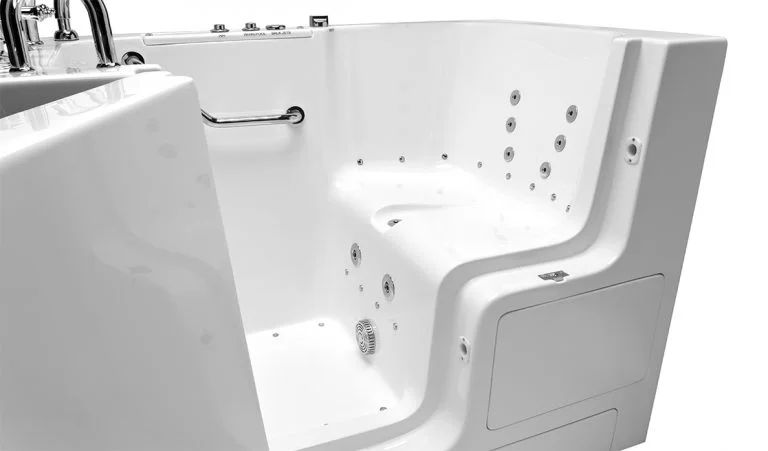
- Surface Texture: Tubs with molded or textured floors and seats generally offer better grip than smooth surfaces.
- Material: Acrylic, fiberglass, and gelcoat surfaces may have different slip characteristics. Some manufacturers add anti-slip coatings or embedded textures for extra safety.
- Maintenance: Soap scum, oils, and cleaning residues can reduce slip resistance over time. Regular cleaning with non-slip-safe products is essential.
- Design Features: Built-in seating, grab bars, and low thresholds can further reduce the risk of slipping by providing support and stability.
For a deeper dive into tub construction, see this overview of walk-in tub frame construction types and how they impact durability and safety.
Comparing Ratings: What to Look for When Shopping
When evaluating walk-in tubs, look for published slip resistance ratings or COF values in the product specifications. If this information isn’t provided, ask the manufacturer for details about their testing methods and results. Reputable brands will often highlight compliance with ADA or ASTM standards.
Other tips for comparing models include:
- Check for independent certifications or lab test results.
- Read customer reviews for real-world feedback on traction and safety.
- Ask about warranty coverage for slip-resistant surfaces—some coatings may wear over time.
- Consider additional safety features, such as built-in grab bars or anti-slip mats.
Beyond Ratings: Enhancing Bath Safety
While slip resistance is a crucial factor, it’s only one part of a comprehensive safety strategy. Consider these additional steps:
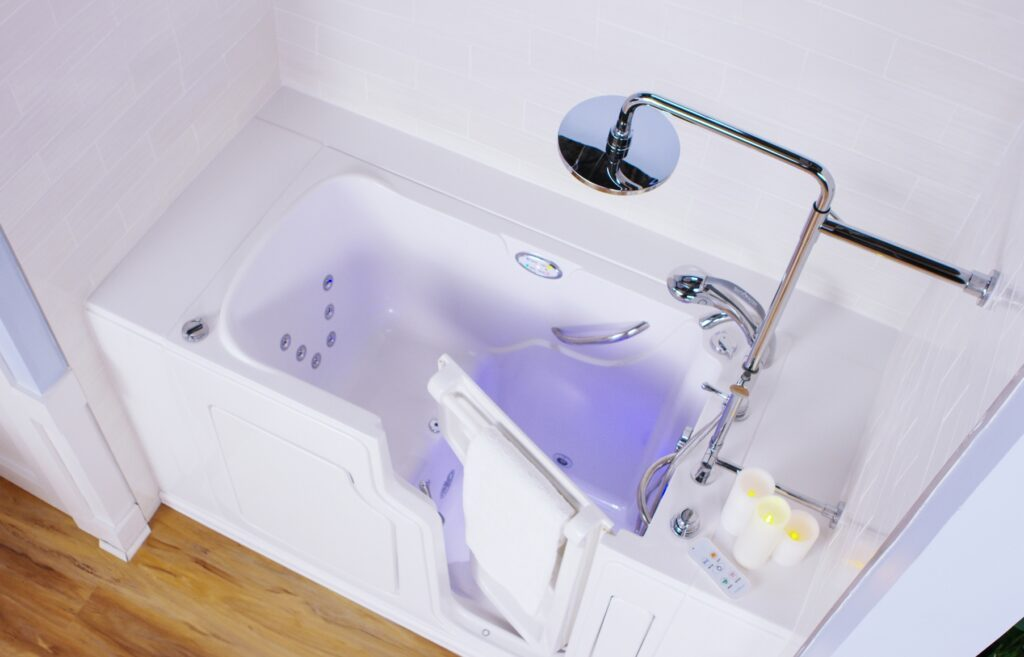
- Install grab bars at entry points and near the seat for extra support. For more on this, see the walk-in shower grab bar weight ratings guide.
- Use non-slip mats or adhesive strips if the tub floor feels too smooth.
- Keep the tub clean and free of residue that could reduce traction.
- Ensure the water temperature is safe to avoid burns or sudden movements. For guidance, check out advice on the best water temperature for walk-in tubs.
- Review warranty terms to understand coverage for slip-resistant surfaces. More details can be found in the walk-in tub warranty terms article.
Industry Standards and Certifications
When researching walk-in tubs, look for products that meet or exceed industry standards for slip resistance. The ADA recommends a minimum static COF of 0.60 for accessible bathing surfaces. Some tubs may also carry certifications from organizations like ASTM or ANSI, which indicate that they’ve been tested for safety and performance.
Manufacturers who comply with these standards often provide documentation or labels on their products. This transparency can give you added confidence in your purchase.
Resources for Further Research
If you’re interested in exploring more about bathroom safety for seniors, this comprehensive guide to walk-in showers for seniors offers additional tips and product recommendations.
Frequently Asked Questions
What is a good slip resistance rating for a walk-in tub?
A static COF of 0.60 or higher is generally recommended for walk-in tubs, especially in wet conditions. This level aligns with ADA guidelines and provides a safer surface for stepping in and out of the tub.
How can I improve the slip resistance of my existing walk-in tub?
If your tub feels slippery, you can add non-slip mats, adhesive strips, or apply an anti-slip coating designed for bathtubs. Regular cleaning to remove soap scum and oils will also help maintain traction.
Are slip resistance ratings the only factor to consider for walk-in tub safety?
No, while slip resistance is essential, you should also consider features like grab bars, seat design, threshold height, and water temperature controls. Reviewing a safety certification checklist can help ensure your tub meets all important safety criteria.
Do all walk-in tubs publish their slip resistance ratings?
Not all manufacturers provide detailed COF values or slip resistance ratings. If this information isn’t available, ask the manufacturer directly or look for third-party certifications that indicate the tub has been tested for safety.