
Many older adults face challenges maintaining their homes as they age. Limited mobility, fixed incomes, and the need for safer living spaces can make repairs and upgrades difficult to manage. Fortunately, there are a variety of county home improvement assistance for seniors programs designed to help older residents stay safe and comfortable in their own homes.
These local initiatives can provide financial aid, free repairs, and accessibility modifications for eligible homeowners. Understanding how these resources work and how to access them can make a significant difference in quality of life and long-term independence.
For those looking for more options, our comprehensive guide on free home repairs for elderly provides additional information about available programs and how to qualify.
Understanding Local Home Repair Support for Older Adults
Counties across the United States recognize the importance of helping seniors maintain safe and accessible homes. These local government programs often focus on essential repairs, safety upgrades, and modifications that allow older adults to age in place. Some initiatives are run directly by county agencies, while others are managed in partnership with non-profit organizations or funded through federal grants.
Typical services may include:
- Fixing leaking roofs, windows, or doors
- Repairing or replacing heating and cooling systems
- Installing wheelchair ramps or grab bars
- Improving lighting and electrical safety
- Addressing plumbing or structural issues
Eligibility requirements and the scope of assistance can vary by location. Some counties prioritize low-income homeowners, while others focus on those with disabilities or at risk of injury due to unsafe living conditions.
Types of County Assistance Programs for Senior Homeowners
There are several types of county home improvement assistance for seniors available, each with its own application process and benefits. Understanding these options can help older adults and their families find the right support.
- Grant Programs: Many counties offer grants that do not need to be repaid. These are often used for critical repairs, accessibility modifications, or energy efficiency improvements.
- Low-Interest Loans: Some local governments provide loans with favorable terms to help seniors cover the cost of major repairs or upgrades.
- Volunteer-Based Repairs: Non-profit organizations may partner with counties to provide free labor for minor repairs or maintenance, with materials funded by local grants.
- Weatherization Assistance: Programs may focus on improving insulation, sealing drafts, or upgrading heating systems to reduce utility costs and increase comfort.
For a detailed look at financial support, see our low income senior home improvement programs guide.
How to Qualify for Senior Home Repair Assistance
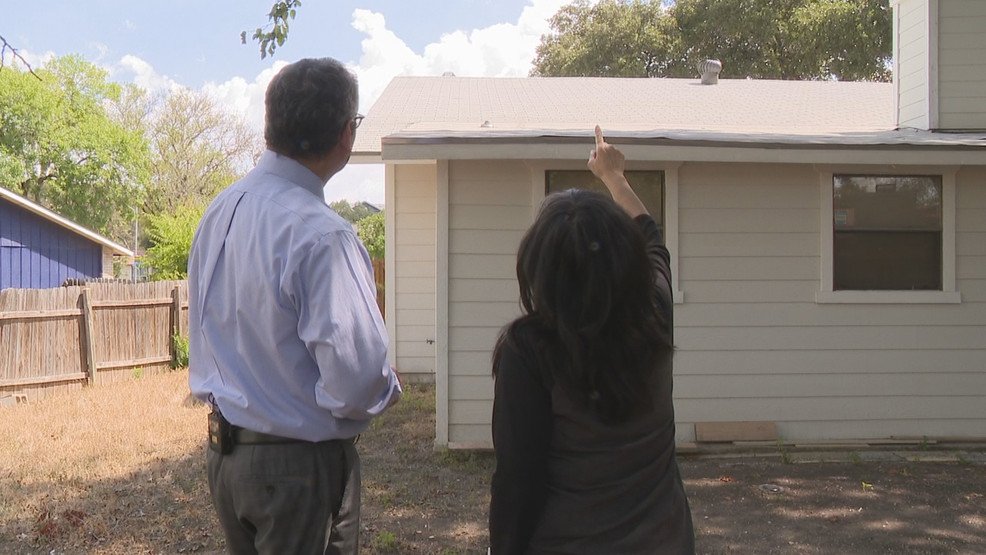
Eligibility for county-based home repair help usually depends on several factors. Most programs require applicants to be above a certain age, typically 60 or 62. Income limits are common, with priority given to those on a fixed or low income. Homeownership is also a standard requirement, and the property must often be the applicant’s primary residence.
Additional criteria may include:
- Proof of age and residency
- Documentation of income or benefits
- Evidence of need, such as unsafe conditions or health risks
- Willingness to allow inspections or assessments
Some counties also consider household size, disability status, or whether the applicant is a veteran. It’s important to check with your local agency for specific requirements and deadlines.
Applying for Local Home Improvement Programs
The application process for county home improvement assistance for seniors typically involves several steps:
- Contact your county’s housing or aging services department for information on available programs.
- Gather necessary documents, such as proof of income, identification, and homeownership.
- Complete the application form, either online or in person.
- Schedule a home assessment if required. Inspectors may visit to evaluate repair needs and safety concerns.
- Wait for approval and funding decisions. Some programs have waiting lists or limited annual budgets.
If you need help with accessibility or lighting, our article on lighting for garden safety explains how proper illumination can prevent falls and make outdoor areas safer for seniors.
Additional Resources and Tips for Seniors Seeking Help
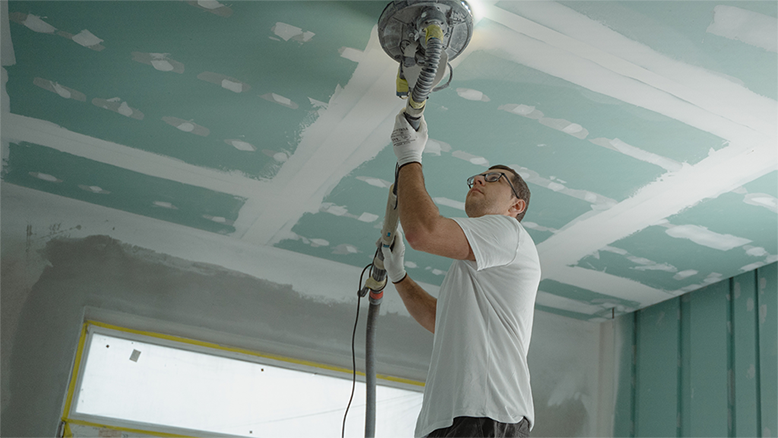
In addition to county-level programs, there are state and federal resources that can supplement local assistance. Non-profit organizations, such as Rebuilding Together and Habitat for Humanity, often collaborate with counties to deliver free or low-cost repairs. Utility companies may offer weatherization or energy efficiency upgrades for eligible seniors as well.
For a broader overview of available support, the ElderLife Financial home repair and modification assistance guide provides detailed information on national and regional programs.
Here are some practical tips for navigating the process:
- Start early, as funding can be limited and applications may take time to process.
- Keep all paperwork organized, including correspondence with agencies and receipts for repairs.
- Ask about additional services, such as accessibility assessments or fall prevention upgrades.
- Explore related topics like lighting for rainy conditions or lighting for water hazards to further improve home safety.
Frequently Asked Questions
What types of repairs are usually covered by county programs?
Most local initiatives focus on essential repairs that address health and safety concerns. This can include fixing roofs, electrical hazards, plumbing issues, heating and cooling systems, and making accessibility modifications like ramps or grab bars.
Are renters eligible for home improvement help?
Most county programs are designed for homeowners, but some may offer limited assistance to renters, especially for accessibility modifications. It’s best to check with your local agency for specific guidelines.
How long does it take to receive assistance?
The timeline varies by county and program demand. Some applications are processed within a few weeks, while others may have waitlists due to limited funding. Applying early and providing complete documentation can help speed up the process.