
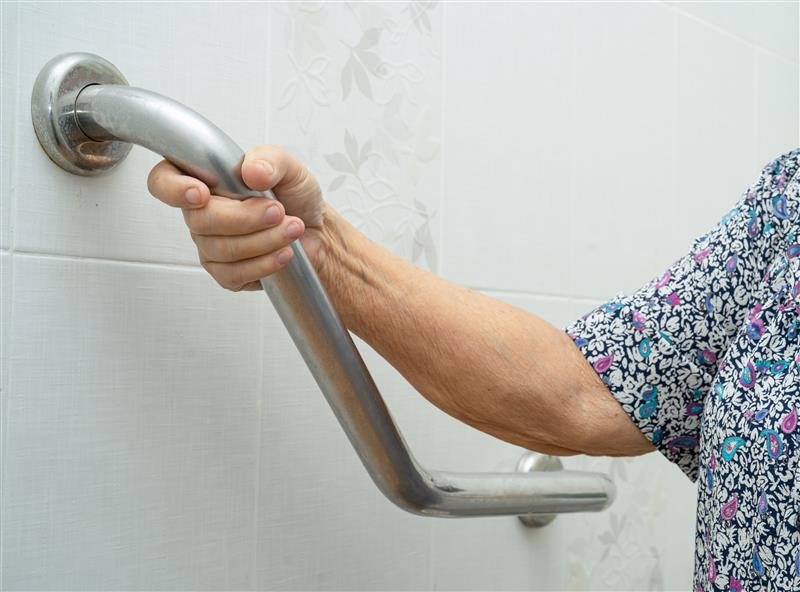
Empowering older adults to remain in their own homes safely and comfortably is a growing priority for families and communities. Independent living support for seniors encompasses a range of solutions, from home modifications and assistive devices to community resources and technology. These supports help older adults maintain autonomy, reduce fall risk, and enjoy a higher quality of life.
Whether you’re a senior, a caregiver, or a concerned family member, understanding the available options can make a significant difference. This guide explores practical strategies, essential products, and expert tips for creating a safer, more accessible home environment for aging adults.
For a comprehensive checklist of practical upgrades and safety improvements, see the aging in place home improvement checklist. This resource provides step-by-step guidance on adapting living spaces to meet the evolving needs of older adults.
Why Home-Based Support Matters for Older Adults
Most seniors express a strong preference to remain at home as they age. However, daily living can become challenging due to mobility limitations, chronic health conditions, or cognitive changes. Independent living support for seniors addresses these challenges by:
- Enhancing safety and reducing the risk of falls or injuries
- Promoting confidence and self-sufficiency
- Reducing reliance on institutional care
- Supporting mental and emotional well-being
By making targeted changes and utilizing the right resources, families can help seniors maintain their routines and social connections in familiar surroundings.
Essential Home Modifications for Senior Independence
Adapting the home environment is one of the most effective ways to support aging in place. Common modifications include:
- Installing grab bars and handrails in bathrooms and hallways
- Adding non-slip flooring and removing tripping hazards
- Improving lighting in entryways, staircases, and work areas
- Widening doorways for wheelchair or walker access
- Lowering countertops and cabinets for easier reach
For more tips on simple upgrades, explore easy home modifications for elderly safety. These changes not only improve safety but also foster greater independence for seniors living at home.
Bathroom Safety: A Top Priority
The bathroom is a common site for slips and falls, making it a critical area for targeted improvements. Installing sturdy grab bars near the toilet and shower, using non-slip mats, and ensuring adequate lighting are essential steps. For families with multiple generations under one roof, bathroom safety solutions for multigenerational homes offer practical ideas for creating accessible spaces for everyone.
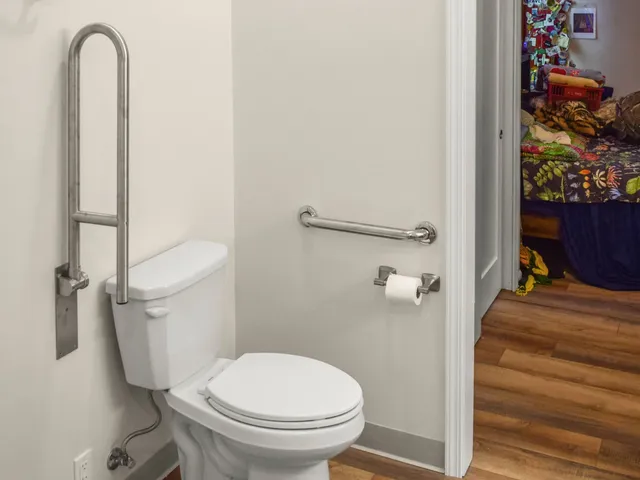
Grab bars are a simple yet highly effective way to prevent falls. According to this overview of grab bar safety benefits, these devices provide crucial stability and confidence for seniors when moving around the bathroom.
Assistive Devices and Technology for Daily Living
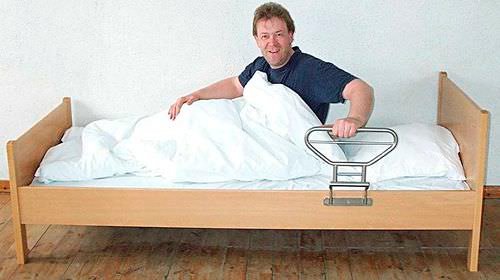
Modern technology and adaptive equipment can make a significant difference in supporting older adults at home. Popular options include:
- Shower chairs and raised toilet seats
- Reachers and dressing aids
- Personal emergency response systems (PERS)
- Medication reminders and automatic pill dispensers
- Smart home devices for lighting, temperature, and security
For those interested in the latest innovations, smart home features that support senior mobility can further enhance safety and convenience, allowing seniors to control their environment with ease.
Community Resources and In-Home Services
Beyond physical modifications and devices, a wide range of community-based services can help seniors live independently. These may include:
- Meal delivery and nutrition programs
- Transportation services for medical appointments and errands
- Home health aides and personal care assistants
- Occupational therapy for home safety assessments
- Social and recreational programs to reduce isolation
Many local agencies on aging and nonprofit organizations offer guidance and referrals to these services. Staying connected to community resources is a key part of a holistic approach to independent living support for seniors.
Tips for a Safer, More Comfortable Home
Small changes can have a big impact on daily life for older adults. Consider these practical tips:
- Keep pathways clear and free of clutter
- Place frequently used items within easy reach
- Use contrasting colors to highlight steps and edges
- Install lever-style door handles for easier use
- Schedule regular home safety reviews
For more detailed advice on creating a secure environment, the guide to building a safer bathroom for aging adults offers expert recommendations tailored to the needs of seniors.
Frequently Asked Questions
What are the most important home modifications for senior safety?
Key changes include installing grab bars in bathrooms, improving lighting, removing tripping hazards, and ensuring easy access throughout the home. These adjustments significantly reduce the risk of falls and support independent living.
How can technology help older adults live independently?
Assistive devices such as personal emergency response systems, medication reminders, and smart home features allow seniors to manage daily tasks more easily and call for help if needed. These tools promote safety and peace of mind for both seniors and their families.
Where can I find help with home modifications and support services?
Local agencies on aging, nonprofit organizations, and occupational therapists can provide assessments and connect families with resources for home modifications, in-home care, and community support programs.