
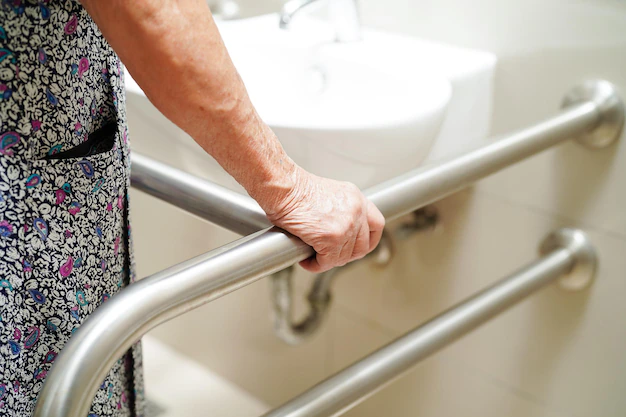
As people age, their homes often need adjustments to remain safe, comfortable, and supportive of independent living. Senior care and home modifications are essential for reducing fall risks, improving accessibility, and enabling older adults to maintain their quality of life. From simple upgrades like grab bars to more comprehensive changes such as accessible bathrooms, these improvements can make a significant difference for seniors and their families.
Understanding which changes offer the most impact—and how to implement them—can be overwhelming. This guide explores practical solutions, expert recommendations, and resources to help you create a safer, more livable environment for aging adults. For a comprehensive checklist of essential upgrades, the aging in place home improvement checklist is an excellent starting point for planning modifications tailored to individual needs.
Why Home Modifications Matter for Aging Adults
Many seniors wish to remain in their own homes as they age, a concept known as “aging in place.” However, traditional home layouts may not accommodate the changing needs that come with aging. Reduced mobility, balance issues, and chronic health conditions can make everyday tasks challenging and increase the risk of accidents. By investing in home modifications for seniors, families can create safer, more accessible spaces that support independence and peace of mind.
Some of the most common hazards in homes include slippery bathroom floors, narrow doorways, and stairs without handrails. Addressing these risks proactively can prevent injuries and hospitalizations, ultimately supporting seniors’ desire to live at home for as long as possible.
Essential Safety Upgrades for the Bathroom
The bathroom is one of the most critical areas to address when considering senior care and home modifications. Wet surfaces, tight spaces, and the need to transfer in and out of tubs or onto toilets create unique safety challenges. Here are some practical upgrades to consider:
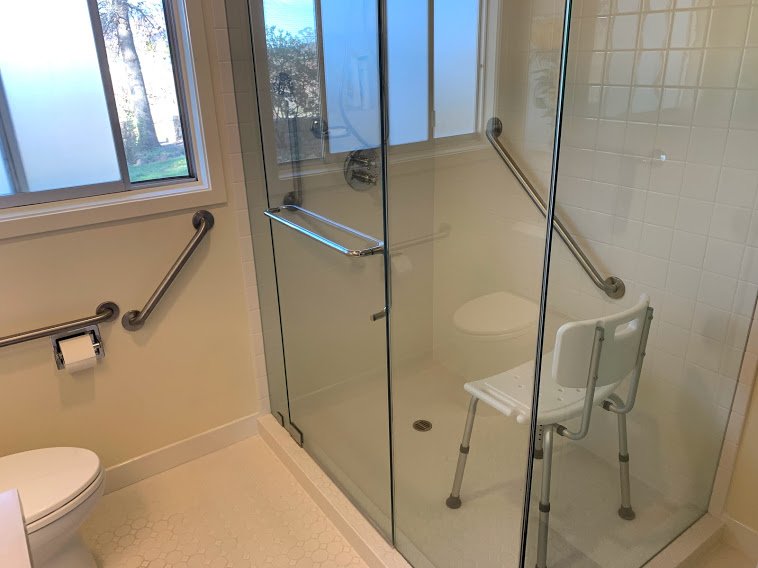
- Grab Bars: Installing sturdy grab bars near the toilet and in the shower or bathtub provides essential support for standing, sitting, and moving safely.
- Non-Slip Flooring: Replacing slick tiles with textured, non-slip surfaces reduces the risk of falls.
- Walk-In Showers: Removing barriers like high tub walls and opting for a walk-in shower with a low threshold improves accessibility.
- Shower Seats: Adding a fold-down seat or portable shower chair allows seniors to bathe comfortably and safely.
- Raised Toilet Seats and Safety Rails: These additions make it easier for those with limited mobility to use the toilet independently.
For more ideas on creating a safer environment, see bathroom safety solutions for multigenerational homes and building a safer bathroom for aging adults.
Making Entrances and Hallways Safer
Beyond the bathroom, entrances and hallways are key areas where home modifications for seniors can have a major impact. Steps, narrow passages, and poor lighting can all contribute to falls or make it difficult for those using mobility aids to navigate.
- Ramps: Installing ramps at entryways eliminates the need to climb stairs and accommodates wheelchairs or walkers.
- Widened Doorways: Expanding doorways to at least 32 inches allows easier access for mobility devices.
- Lever-Style Handles: Replacing round doorknobs with lever handles makes doors easier to open for those with arthritis or limited hand strength.
- Improved Lighting: Adding bright, glare-free lighting in hallways and at entrances helps prevent trips and falls.
- Clear Pathways: Removing clutter and securing rugs reduces tripping hazards throughout the home.
For additional tips on simple, effective changes, the article on easy home modifications for elderly safety provides practical advice for families.
Smart Technology and Modern Solutions
Modern technology offers new ways to enhance senior care and home modifications. Smart home devices can increase safety, convenience, and peace of mind for both seniors and caregivers. Some popular options include:
- Voice-Activated Assistants: Devices like smart speakers allow seniors to control lights, thermostats, and security systems without needing to move around the house.
- Video Doorbells: These provide added security and let residents see who is at the door without getting up.
- Automated Lighting: Motion-activated lights reduce the risk of falls at night or in dark areas.
- Medical Alert Systems: Wearable devices can call for help in case of a fall or emergency.
To learn more about integrating technology for mobility and safety, see smart home features that support senior mobility.

Choosing the Right Products and Installation
Not all safety products are created equal. When selecting items like grab bars, toilet safety rails, or non-slip flooring, it’s important to look for products that meet safety standards and are installed correctly. For example, grab bars should be anchored into wall studs to support weight, and non-slip mats should be securely placed to avoid sliding.
For a detailed overview of the benefits and installation tips, refer to this comprehensive guide on bathroom grab bars for elderly safety. Consulting with professionals or occupational therapists can also help ensure modifications are tailored to the specific needs of the resident.
Planning and Funding Home Modifications
Making a home safer for seniors can range from affordable DIY projects to larger renovations. Start by evaluating the most pressing needs—such as bathroom safety or entrance accessibility—and prioritize changes based on risk and budget. Many communities offer grants, low-interest loans, or nonprofit assistance for aging-in-place upgrades. Research local programs or consult with your area agency on aging for support.
It’s also helpful to involve the senior in decision-making, ensuring that changes align with their preferences and routines. Small adjustments, like rearranging furniture or adding nightlights, can be just as impactful as larger renovations.
Frequently Asked Questions
What are the most important home modifications for seniors?
The most critical changes include installing grab bars in bathrooms, adding ramps at entrances, improving lighting, and removing tripping hazards. These upgrades address the most common sources of falls and accessibility challenges.
How can I make a bathroom safer for an elderly family member?
Focus on adding non-slip flooring, grab bars near the toilet and shower, a raised toilet seat, and a shower chair. Ensure all fixtures are securely installed and consider replacing a bathtub with a walk-in shower for easier access.
Are there financial resources to help pay for senior home modifications?
Yes, many communities offer assistance through grants, low-interest loans, or nonprofit organizations. Contact your local agency on aging or search for programs dedicated to helping seniors remain safely in their homes.
Prioritizing senior care and home modifications is an investment in safety, comfort, and independence. By taking proactive steps and leveraging available resources, families can help their loved ones age with dignity and confidence in the place they call home.