
Maintaining safe bathroom routines for elderly adults is a crucial aspect of supporting independence and dignity as we age. The bathroom is one of the most common places for slips, falls, and injuries among seniors. For caregivers and family members, understanding how to create a secure and accessible environment can make daily hygiene tasks less stressful and much safer. This guide covers practical steps, essential equipment, and daily habits that help reduce risks and promote confidence for older adults and those assisting them.
From installing sturdy grab bars to establishing clear routines, there are many ways to minimize hazards. Early planning and thoughtful modifications can make a significant difference, whether you are caring for a loved one at home or helping someone transition to aging in place. For a broader look at home safety improvements, you may also find the aging in place home improvement checklist helpful as you consider changes throughout the house.
Why Bathroom Safety Matters for Seniors
Bathrooms present unique challenges for older adults due to slippery surfaces, tight spaces, and the need to move between sitting and standing positions. According to the CDC, falls are the leading cause of injury among seniors, and many of these incidents occur in the bathroom. Establishing safe bathroom routines is not just about preventing accidents—it’s about preserving autonomy and reducing anxiety for both seniors and their caregivers.
Common hazards include:
- Wet floors from showers or sinks
- Low toilet seats that are difficult to rise from
- Lack of stable handholds
- Poor lighting and cluttered pathways
Addressing these risks with the right equipment and habits can make daily routines smoother and safer.
Essential Equipment for Safer Bathroom Habits
One of the most effective ways to support safe bathroom routines for elderly adults is to install assistive devices and make simple modifications. Here are some key items to consider:
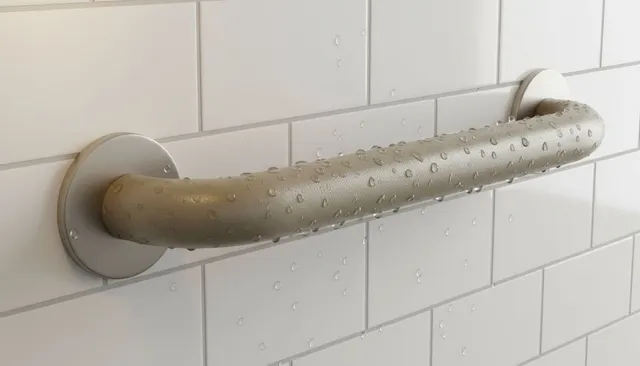
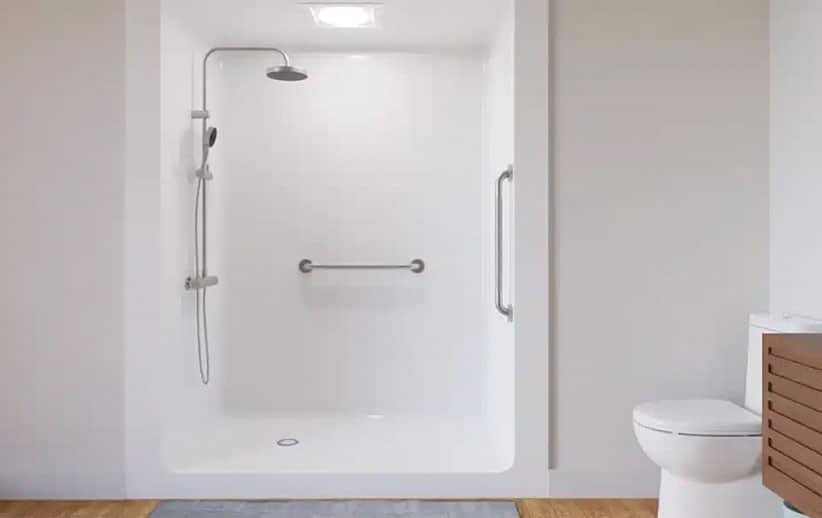
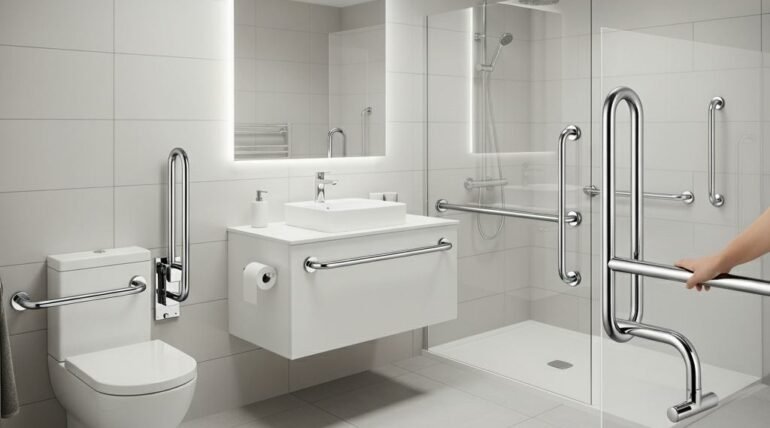
- Grab Bars: Securely mounted bars near the toilet, shower, and bathtub provide crucial support for balance and transfers.
- Non-Slip Mats: Placing these inside and outside the shower or tub helps prevent slipping.
- Raised Toilet Seats: These make it easier to sit and stand, reducing strain on knees and hips.
- Shower Chairs or Benches: Allowing seniors to sit while bathing can reduce fatigue and risk of falls.
- Handheld Showerheads: These make it easier to bathe while seated and allow for better control.
- Toilet Safety Rails: Provide extra stability for transfers on and off the toilet.
For more ideas on creating a secure environment, explore bathroom safety solutions for multigenerational homes to see how families are adapting spaces for all ages.
Daily Routines That Promote Safety and Independence
Establishing consistent habits is just as important as installing safety equipment. Here are some practical routines that support both seniors and caregivers:
- Keep Pathways Clear: Remove rugs, cords, or clutter that could cause tripping.
- Check Lighting: Ensure the bathroom is well-lit at all times, especially at night. Consider motion-sensor lights for added convenience.
- Set Up Supplies in Reach: Place soap, towels, and toiletries within easy reach to avoid unnecessary stretching or bending.
- Use a Shower Chair: Encourage sitting while bathing to reduce fatigue and risk of slipping.
- Establish a Routine: Try to bathe and use the toilet at consistent times each day, which can help with predictability and reduce confusion.
- Monitor for Wet Floors: Wipe up spills immediately and use non-slip mats to keep surfaces dry.
Caregivers should communicate openly and encourage seniors to express any discomfort or concerns. Small adjustments can make a big difference in confidence and safety.
Installing and Maintaining Grab Bars
Grab bars are a cornerstone of safe bathroom routines for elderly adults. Proper placement and installation are essential for effectiveness. According to guidance on where to install grab bars in the bathroom, bars should be placed near the toilet, inside the shower or tub, and along any walls where support is needed for transfers.
Tips for installation and maintenance:
- Use professional installation or follow manufacturer instructions carefully to ensure bars are anchored securely into wall studs.
- Choose bars with a textured grip for added safety.
- Regularly check for looseness or wear and replace as needed.
- Clean grab bars frequently to prevent buildup of soap or water residue.
For more comprehensive advice on adapting bathrooms, see building a safer bathroom for aging adults for step-by-step recommendations.
Supporting Caregivers in Daily Bathroom Assistance
Caregivers play a vital role in ensuring the safety and comfort of seniors during bathroom routines. Here are some strategies to help:
- Respect Privacy: Always knock and announce your presence. Offer as much independence as possible, stepping in only when needed.
- Use Proper Lifting Techniques: When assisting with transfers, use your legs—not your back—and consider transfer aids if necessary.
- Communicate Clearly: Explain each step before assisting and check in frequently to ensure comfort.
- Encourage Participation: Let seniors do as much as they can safely, which helps maintain their confidence and skills.
- Monitor for Signs of Discomfort: Watch for changes in mobility, balance, or mood that may signal the need for additional support or equipment.
For more ideas on making the home safer and more comfortable, see easy home modifications for elderly safety for practical tips beyond the bathroom.
Additional Tips for Reducing Bathroom Hazards
- Install lever-style faucets for easier use by those with arthritis or limited grip strength.
- Keep water heater temperatures below 120°F to prevent scalding.
- Label hot and cold taps clearly.
- Use contrasting colors for fixtures and grab bars to assist those with visual impairments.
- Schedule regular safety checks to ensure all equipment remains in good condition.
Frequently Asked Questions
What are the most important bathroom safety features for seniors?
The most critical features include securely installed grab bars, non-slip mats, raised toilet seats, shower chairs, and good lighting. These modifications help prevent falls and make daily routines easier for older adults.
How can caregivers help seniors maintain independence in the bathroom?
Caregivers can encourage seniors to participate in their routines as much as possible, provide clear instructions, and use assistive devices like grab bars and shower chairs. Respecting privacy and offering gentle support are also key.
Where should grab bars be installed in the bathroom?
Grab bars should be placed near the toilet, inside the shower or tub, and along walls where extra support is needed for standing or transferring. For detailed placement advice, refer to this guide on grab bar installation.
What daily habits can reduce bathroom accidents for elderly adults?
Keeping the bathroom clutter-free, ensuring floors are dry, using non-slip mats, and maintaining a consistent routine all help reduce the risk of accidents. Regularly checking that safety equipment is secure is also important.
Conclusion
Establishing safe bathroom routines for elderly adults is essential for reducing injuries and supporting independent living. By combining the right equipment, thoughtful modifications, and consistent daily habits, both seniors and caregivers can enjoy greater peace of mind. For those looking to further enhance home safety, consider exploring smart home features that support senior mobility for additional solutions tailored to aging in place.