
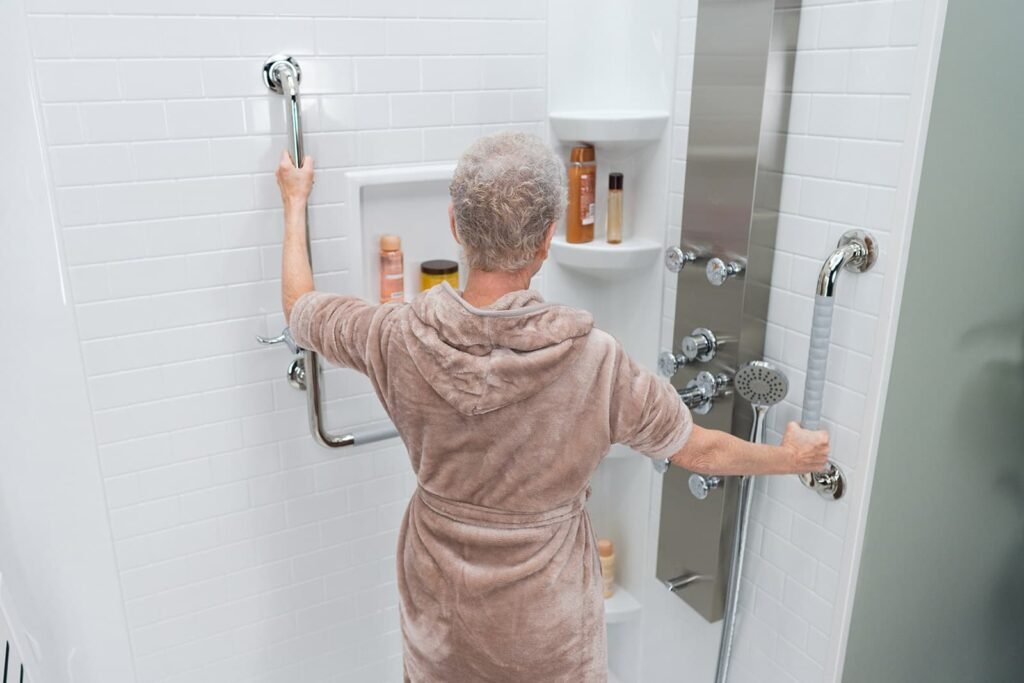
As adults age, the risk of falls and injuries at home increases significantly. Implementing best practices for senior home safety is essential for maintaining independence, confidence, and well-being. A safe home environment not only helps prevent accidents but also provides peace of mind for both seniors and their loved ones.
Falls are the leading cause of injury among older adults, often resulting in hospitalizations, long-term health issues, or loss of independence. Fortunately, many hazards can be addressed with thoughtful planning, practical modifications, and ongoing attention to daily routines. This article covers proven strategies, essential safety upgrades, and actionable steps to reduce risks throughout the home.
For a comprehensive approach to home modifications, see the aging in place home improvement checklist, which offers a room-by-room guide to making living spaces safer and more accessible for older adults.
Why Home Safety Matters for Older Adults
Home should be a place of comfort, not risk. As mobility, vision, and balance change with age, everyday tasks can become more challenging. Simple hazards—like loose rugs, poor lighting, or cluttered walkways—can quickly turn into serious threats. By understanding the unique needs of seniors and applying senior home safety best practices, families can help prevent accidents before they happen.
- Falls are common: According to the CDC, one in four Americans aged 65+ falls each year.
- Injuries can be severe: Hip fractures, head injuries, and other complications are frequent outcomes.
- Prevention is possible: Most hazards are preventable with proactive measures and regular assessments.
Key Areas to Address for Fall Prevention
Effective fall prevention starts with identifying and eliminating risks in all areas of the home. Here are the most important spaces to focus on:
Bathroom Safety Upgrades
The bathroom is one of the most hazardous places for seniors due to slippery surfaces and tight spaces. Installing grab bars, non-slip mats, and raised toilet seats are among the best practices for senior home safety in this area. For more detailed solutions, explore bathroom safety solutions for multigenerational homes.
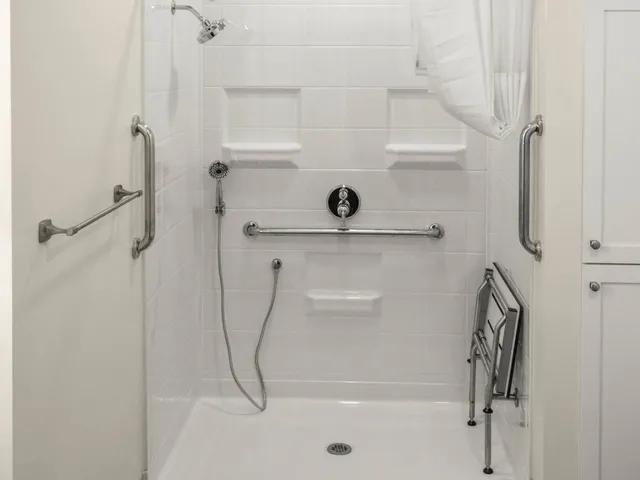
- Install sturdy grab bars near the shower, tub, and toilet.
- Use non-slip mats both inside and outside the shower or tub.
- Consider a walk-in shower or tub with a low threshold.
- Ensure lighting is bright and easy to control.
For more information on the benefits and installation of grab bars, see this comprehensive guide to grab bars for elderly safety.
Living Room and Bedroom Adjustments
These high-traffic areas should be free of clutter and tripping hazards. Arrange furniture to allow clear pathways, and avoid extension cords or loose rugs that could cause falls. Place frequently used items within easy reach to minimize stretching or bending.
- Secure rugs with non-slip backing or remove them entirely.
- Keep walkways clear of furniture and clutter.
- Use nightlights to illuminate the path between bedroom and bathroom.
- Choose chairs with arms and firm cushions for easier sitting and standing.
Kitchen Safety Measures
The kitchen presents unique risks, including slippery floors and the potential for burns or cuts. Store heavy or frequently used items at waist level, and ensure that appliances are easy to operate. Use non-slip mats in front of the sink and stove, and keep floors dry at all times.
- Install lever-style handles on faucets for easier use.
- Keep a fire extinguisher within easy reach.
- Label or color-code important controls for clarity.
Simple Modifications That Make a Big Difference
Many effective senior home safety best practices involve simple, affordable changes. These upgrades can often be completed in a single afternoon and provide immediate benefits.
- Lighting: Replace dim bulbs with brighter, energy-efficient LEDs. Add motion-sensor lights in hallways and entryways.
- Handrails: Ensure both sides of stairways have sturdy handrails. Repair loose steps and secure carpeting.
- Entryways: Install ramps or threshold strips for easier wheelchair or walker access.
- Technology: Consider smart home features such as voice-activated lights or emergency alert systems. For more ideas, see smart home features that support senior mobility.
Maintaining Safety: Ongoing Checks and Support
Home safety is not a one-time task. Regularly review the environment and routines to address new risks as needs change. Involve family members, caregivers, or professionals in periodic assessments.
- Schedule seasonal safety reviews to check for wear and tear.
- Encourage open communication about new challenges or concerns.
- Stay updated on the latest products and solutions for senior safety.
For additional ideas on easy upgrades, see easy home modifications for elderly safety.

Encouraging Independence and Confidence
Implementing best practices for senior home safety is about more than preventing accidents—it’s about supporting autonomy and quality of life. When seniors feel secure in their homes, they are more likely to stay active, social, and engaged. Involving older adults in safety decisions and modifications ensures that solutions are tailored to their preferences and routines.
For those considering larger renovations, building a safer bathroom for aging adults provides in-depth guidance on accessible design and product selection.
Frequently Asked Questions
What are the most important safety features to add for seniors living at home?
Key features include grab bars in the bathroom, non-slip flooring, improved lighting, handrails on stairs, and clear, clutter-free pathways. These upgrades address the most common causes of falls and injuries.
How often should a home safety assessment be done for an older adult?
It’s recommended to review home safety at least once a year, or whenever there is a change in health, mobility, or living arrangements. Seasonal checks help catch new hazards, such as wet leaves or ice at entryways.
Are there affordable ways to improve home safety without major renovations?
Yes, many effective changes are low-cost, such as installing grab bars, using non-slip mats, adding nightlights, and rearranging furniture for better access. These simple steps can make a significant difference in reducing fall risk.
Taking proactive steps to create a safer home environment empowers seniors to live independently and comfortably for years to come. By following these practical guidelines and regularly updating safety measures, families can help ensure that home remains a secure and welcoming place for aging loved ones.