
Creating a bathroom that is both safe and comfortable is essential for people of all ages and abilities. Accessible bathroom features for daily living not only support independence for seniors and those with mobility challenges, but also provide peace of mind for families and caregivers. By integrating practical modifications and thoughtful design, anyone can transform a standard bathroom into a supportive space that enhances daily routines and reduces the risk of accidents.
Whether you’re considering upgrades for yourself, a loved one, or planning for the future, understanding the most effective accessibility solutions is the first step. For a broader look at home modifications that support aging in place, the aging in place home improvement checklist offers valuable guidance on creating a safer and more comfortable living environment.
Why Prioritize Accessible Bathroom Features?
Bathrooms are among the most common areas for slips and falls, especially for older adults and individuals with limited mobility. Incorporating accessible bathroom features for daily living can dramatically reduce hazards and make daily routines easier. These upgrades are not just about safety—they also promote dignity, independence, and comfort.
Accessible design is increasingly important in multigenerational homes and for anyone planning to age in place. For families seeking more comprehensive solutions, bathroom safety solutions for multigenerational homes provide additional insights into creating universally usable spaces.
Essential Elements for a Safer Bathroom
There are several key features that can make a bathroom more accessible and user-friendly. These modifications range from simple additions to more significant renovations, each contributing to a safer and more comfortable environment.
Grab Bars and Support Rails
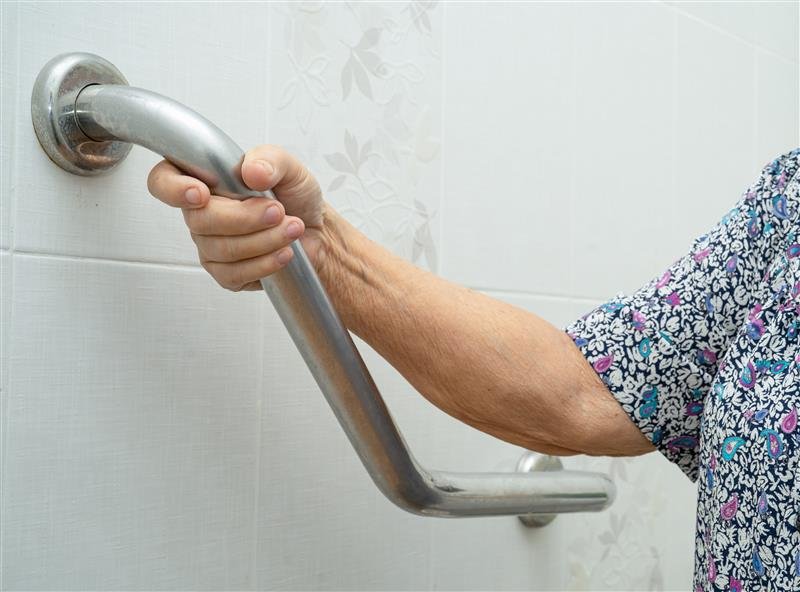
One of the most effective ways to improve bathroom safety is by installing sturdy grab bars and support rails. These fixtures provide reliable handholds for getting in and out of the shower, standing from the toilet, or steadying oneself on slippery floors. According to this resource on grab bar safety for seniors, these simple additions can significantly lower the risk of falls and injuries.
Toilet Accessibility Upgrades
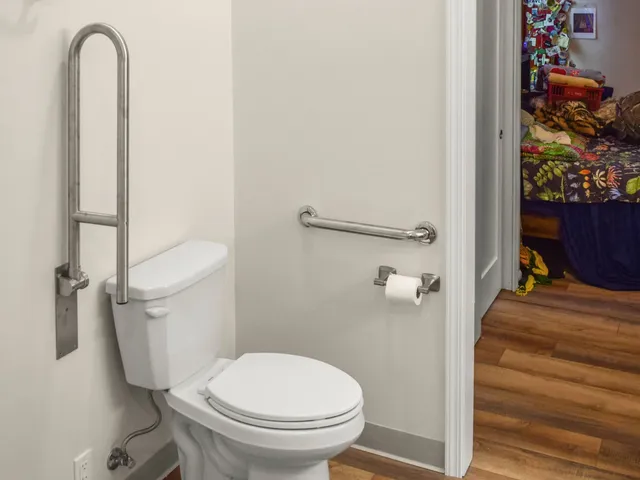
Standard toilets can be difficult to use for those with limited strength or balance. Raising the height of the toilet or adding safety rails can make transfers easier and safer. Elevated toilet seats and side rails are simple yet effective solutions. For more comprehensive ideas, see the bathroom accessibility upgrades that make a difference guide for additional inspiration.
Shower and Bathtub Modifications
Traditional tubs and showers often have high thresholds and slippery surfaces, making them challenging for those with mobility issues. Installing a walk-in shower or a low-threshold bathtub can greatly improve accessibility. Non-slip mats, shower chairs, and handheld showerheads are also valuable additions that increase comfort and safety during bathing routines.
Consider lever-style faucets and anti-scald valves to prevent burns and make temperature control easier for everyone. These upgrades are particularly helpful for individuals with arthritis or limited hand strength.
Flooring and Lighting Considerations
Flooring plays a crucial role in bathroom safety. Choose slip-resistant tiles or add non-slip mats to reduce the risk of falls. Ensure that all rugs are securely anchored and avoid loose mats that could become tripping hazards.
Proper lighting is equally important. Bright, even illumination helps users see obstacles and navigate the space confidently. Install nightlights or motion-sensor lights for added safety during nighttime visits.
Smart Storage and Clear Pathways
Clutter can be a significant hazard in any bathroom. Keep pathways clear by using wall-mounted shelves, recessed cabinets, and accessible storage solutions. Place frequently used items within easy reach to minimize bending or stretching. This not only improves safety but also makes daily routines more efficient and comfortable.
Benefits of Accessible Bathroom Design
Investing in accessible bathroom features for daily living offers numerous advantages:
- Increased independence: Users can manage personal care tasks with less assistance.
- Enhanced safety: Reduces the risk of slips, falls, and injuries.
- Greater comfort: Thoughtful design makes routines less physically demanding.
- Future-proofing: Accommodates changing needs over time, supporting aging in place.
For more tips on making your home safer and more comfortable, explore easy home modifications for elderly safety and discover practical ways to enhance every room.
Choosing the Right Features for Your Needs
Every individual and household is unique, so it’s important to assess specific needs before making changes. Consult with occupational therapists or accessibility experts to identify the most beneficial modifications for your situation. Prioritize features that address the most common challenges, such as stability, reach, and ease of use.
Remember, even small changes—like adding a grab bar or improving lighting—can make a significant difference in daily comfort and safety. For a checklist of essential features, see bathroom safety features every senior should consider.
Frequently Asked Questions
What are the most important accessible bathroom features for seniors?
The most critical features include grab bars, non-slip flooring, raised toilet seats, and walk-in showers. These elements help prevent falls and make daily routines easier for those with limited mobility.
How can I make my bathroom safer without a full renovation?
Simple upgrades like installing grab bars, adding non-slip mats, improving lighting, and using a shower chair can greatly enhance safety and accessibility without major construction.
Are accessible bathroom features beneficial for families with children?
Yes, many accessibility upgrades—such as slip-resistant flooring, lever handles, and clear pathways—benefit users of all ages, making the bathroom safer and more convenient for everyone in the household.