
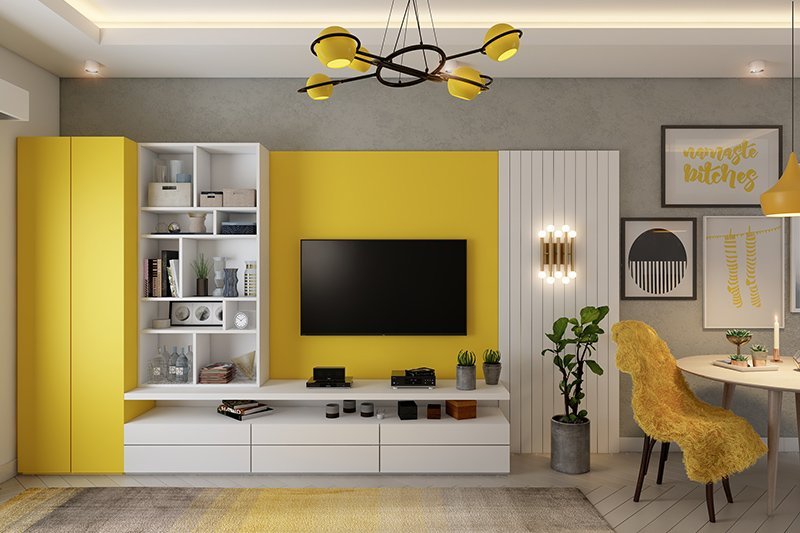
Creating safe, accessible, and comfortable indoor environments starts with thoughtful illumination. Lighting for walkable surfaces is a crucial aspect of interior design that directly impacts safety, navigation, and the overall usability of homes, offices, and public spaces. Properly lit pathways, hallways, and transition zones help prevent trips and falls, especially for older adults or those with limited mobility. Beyond safety, well-designed lighting enhances the ambiance and functionality of every room.
Whether you are updating your living room, planning a renovation, or considering accessibility upgrades, understanding the principles of effective lighting for walkways and floors is essential. This article explores practical strategies, fixture types, and design considerations to ensure that every step indoors is both secure and visually comfortable.
For those interested in broader accessibility features, understanding the importance of walk-in shower grab bar weight ratings can further enhance safety in bathrooms and wet areas.
Why Proper Illumination Matters for Indoor Pathways
Insufficient or poorly placed lighting can lead to shadows, glare, and visual confusion, increasing the risk of accidents. Lighting for walkable surfaces is not just about brightness—it’s about uniformity, contrast, and the strategic placement of fixtures to highlight changes in floor level, steps, or transitions between rooms.
- Accident Prevention: Well-lit floors and corridors reduce the likelihood of slips, trips, and falls.
- Accessibility: Clear lighting supports those with visual impairments or mobility challenges.
- Comfort: Even, glare-free light makes movement more comfortable and less stressful, especially at night.
- Wayfinding: Illuminated routes guide people safely through unfamiliar or complex spaces.
Types of Fixtures for Safe Indoor Walking Areas
Choosing the right fixtures is fundamental for effective lighting of walkways and floors. Here are some common options:
- Recessed Downlights: These fixtures are installed in ceilings and provide focused, downward light. They are ideal for hallways, corridors, and entryways.
- Wall Sconces: Mounted at eye level, sconces can reduce harsh shadows and add ambient light to narrow spaces.
- Step Lights: Installed along stairs or sunken areas, these lights highlight elevation changes and prevent missteps.
- Motion Sensor Night Lights: Automatically activate in low light or when movement is detected, offering hands-free safety during nighttime hours.
- Floor-Level LED Strips: Subtle and energy-efficient, these can be placed along baseboards or under cabinets to softly illuminate walking paths.
For a comprehensive overview of fixture types and their best uses, see this guide to indoor lighting types.
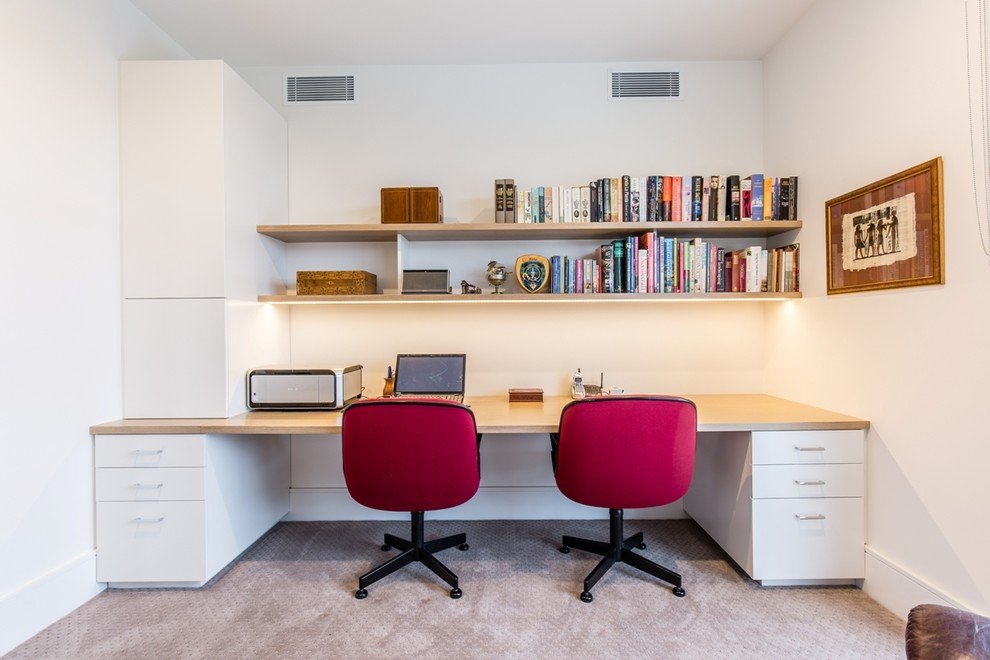
Design Strategies for Safer Indoor Surfaces
Effective lighting design for walkways and floors requires more than just fixture selection. Consider these strategies:
- Layered Lighting: Combine ambient, task, and accent lighting to eliminate dark spots and create visual interest. For example, pair overhead lights with wall sconces or floor-level LEDs.
- Consistent Color Temperature: Use bulbs with similar color temperatures (measured in Kelvins) to maintain a cohesive look and avoid visual confusion.
- Minimize Glare: Choose fixtures with diffusers or frosted covers to soften light and reduce harsh reflections on glossy floors.
- Highlight Hazards: Place additional lighting near steps, thresholds, or changes in flooring material to draw attention to potential trip points.
- Smart Controls: Install dimmers, timers, or motion sensors to adjust lighting levels automatically based on time of day or occupancy.
Common Mistakes to Avoid
Even with the best intentions, certain pitfalls can undermine the safety and effectiveness of lighting for walkable areas:
- Over-lighting: Excessive brightness can cause glare and discomfort, making it harder to see obstacles.
- Uneven Illumination: Inconsistent lighting creates shadows that obscure hazards.
- Poor Placement: Fixtures placed too high, too low, or too far apart may leave parts of the floor in darkness.
- Ignoring Maintenance: Burned-out bulbs or dirty fixtures reduce light output and compromise safety.
Lighting for Special Areas: Stairs, Entrances, and Bathrooms
Some indoor spaces require extra attention due to increased risk of slips or falls:
- Staircases: Use step lights or wall-mounted fixtures to illuminate each tread. Avoid casting shadows on steps.
- Entrances and Foyers: Bright, welcoming light helps guests adjust when moving from outdoors to indoors.
- Bathrooms: Combine ceiling fixtures with night lights or motion-activated LEDs for safe nighttime navigation. For more on bathroom safety, review walk-in tub warranty terms to ensure your fixtures are covered.
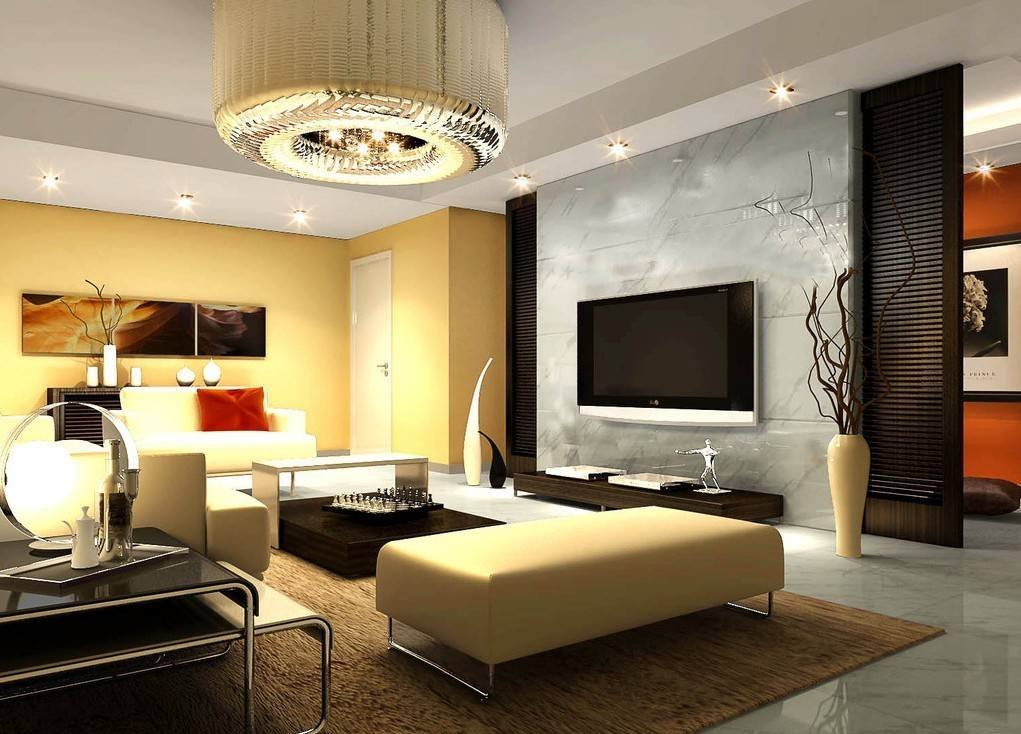
Energy Efficiency and Sustainability
Modern lighting solutions not only improve safety but also help reduce energy consumption. LED fixtures are the preferred choice for most indoor applications due to their long lifespan, low heat output, and minimal energy use. Motion sensors and timers further optimize efficiency by ensuring lights are only on when needed.
When planning upgrades, consider the environmental impact of your choices. Opt for fixtures with recyclable components and use dimmable bulbs to adjust light levels based on activity and time of day.
Integrating Lighting with Other Accessibility Features
Lighting should be part of a holistic approach to indoor safety. Combine well-lit walkways with non-slip flooring, handrails, and clear signage for maximum accessibility. For those interested in bathroom upgrades, understanding walk-in tub faucet types and flow rates can further enhance both safety and convenience in wet areas.
Frequently Asked Questions
What is the best type of lighting for walkways inside the home?
The most effective approach is to use a combination of recessed downlights for general illumination and floor-level LED strips or step lights for highlighting pathways and elevation changes. Motion sensor night lights are also helpful for nighttime safety.
How bright should indoor walkway lighting be?
Aim for a light level of 100–200 lux for general walkways and corridors. Stairs and areas with elevation changes may require brighter, focused lighting to clearly define each step. Avoid excessive brightness to reduce glare.
How can I make my indoor lighting more energy efficient?
Use LED bulbs and fixtures, install motion sensors or timers, and choose dimmable options to adjust brightness as needed. Regularly clean fixtures and replace old bulbs to maintain optimal efficiency.
Are there specific lighting recommendations for homes with seniors?
Yes, homes with older adults benefit from even, shadow-free lighting, motion-activated night lights, and clear illumination of steps and thresholds. Avoid abrupt changes in light levels and ensure switches are easily accessible.
Conclusion
Thoughtful lighting for walkable surfaces transforms indoor spaces into safer, more welcoming environments. By selecting the right fixtures, layering light sources, and addressing special areas like stairs and bathrooms, you can significantly reduce the risk of accidents and improve daily comfort. Combine these lighting strategies with other accessibility features for a holistic approach to home safety and usability.