
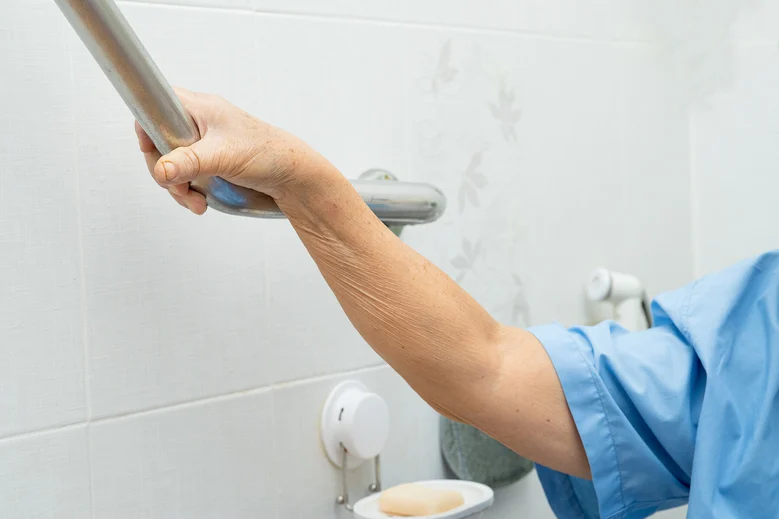
Ensuring a safe and accessible bathroom is one of the most important responsibilities for family caregivers supporting older adults or loved ones with mobility challenges. The bathroom is a common site for slips and falls, but with the right modifications and equipment, it can be transformed into a safer, more comfortable space. This guide provides practical bathroom accessibility tips for family caregivers, covering essential upgrades, product recommendations, and expert advice to help you create a supportive environment at home.
For those looking to make broader home improvements, the aging in place home improvement checklist offers a comprehensive overview of ways to enhance safety and independence throughout the house. Focusing on the bathroom, however, is a crucial first step for many families.
Why Bathroom Accessibility Matters for Caregivers
For caregivers, the bathroom can be a source of daily stress and concern. Wet surfaces, tight spaces, and hard-to-reach fixtures all increase the risk of accidents. By implementing bathroom accessibility upgrades, caregivers can reduce hazards and support their loved one’s dignity and independence.
Accessible bathrooms not only help prevent injuries but also make daily routines smoother and less physically demanding for both the caregiver and the person receiving care. Simple changes can make a significant difference in confidence and quality of life.
Key Areas to Address for a Safer Bathroom
When planning improvements, focus on the following areas to maximize safety and accessibility:
- Entryways and Doorways: Ensure doors are wide enough for walkers or wheelchairs and easy to open.
- Floors: Use non-slip mats and remove loose rugs that could cause tripping.
- Lighting: Install bright, glare-free lighting to improve visibility.
- Toilet and Shower Access: Add supports and consider height adjustments for easier transfers.
- Reachable Storage: Place toiletries and towels within easy reach to minimize bending or stretching.
For more detailed guidance on creating a safer environment, see the bathroom safety solutions for multigenerational homes resource.
Essential Equipment and Modifications
There are several products and modifications that can greatly improve bathroom safety. Here are some of the most effective options for family caregivers to consider:
Grab Bars: A Must-Have for Stability
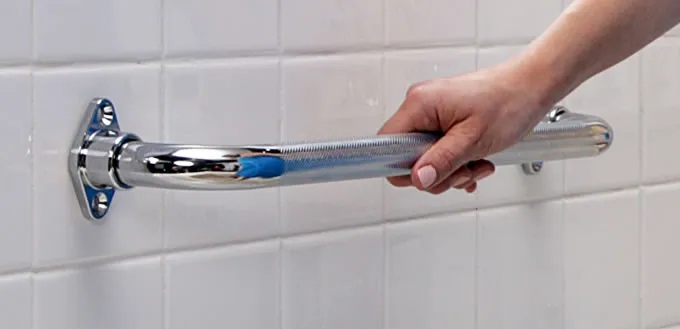
Installing sturdy grab bars in key locations—such as beside the toilet and inside the shower—provides crucial support for anyone with balance or mobility issues. Proper installation is essential for safety; for step-by-step instructions, refer to this grab bar installation guide.
Toilet Safety Rails and Raised Seats
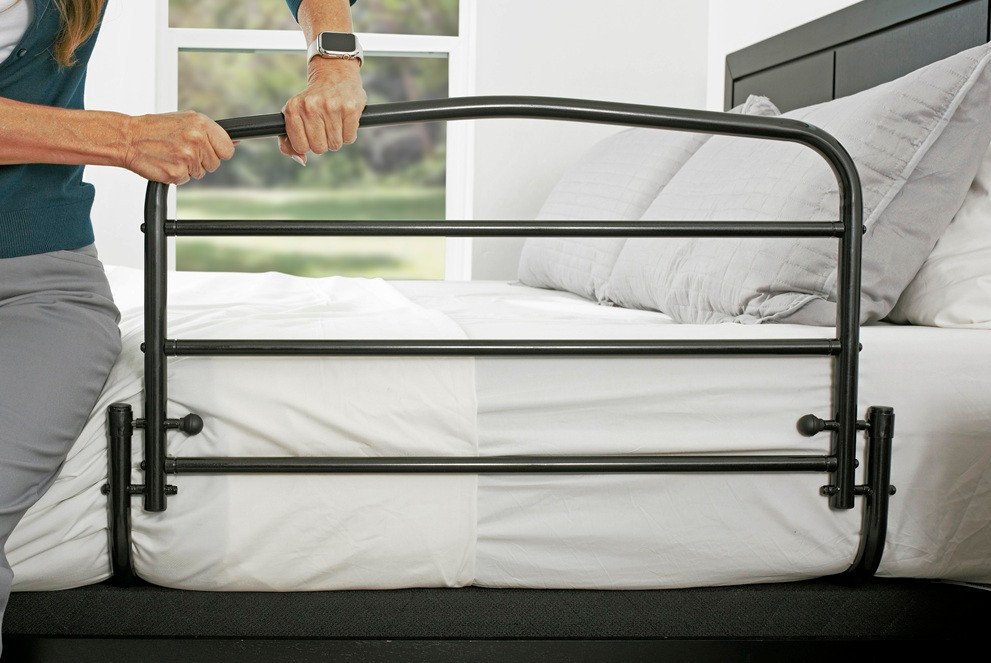
Many older adults find it difficult to sit down or stand up from a standard-height toilet. Adding a raised toilet seat or installing toilet safety rails can make transfers much easier and safer. These supports offer stability and reduce the risk of falls, especially for those with limited lower body strength.
Non-Slip Surfaces and Mats
Slippery floors are a leading cause of bathroom injuries. Place non-slip mats inside and outside the tub or shower, and use adhesive strips on tile floors. Always ensure mats lay flat to prevent tripping. Removing throw rugs and keeping the floor dry are simple but effective precautions.
Accessible Showers and Bathtubs
Step-in tubs and curbless showers allow for easier entry and exit. If a full remodel isn’t possible, a sturdy shower chair or bench can provide a safe place to sit while bathing. Handheld showerheads also make it easier for caregivers to assist with bathing while minimizing movement.
Improved Lighting and Clear Pathways
Good lighting is essential for visibility, especially at night. Install nightlights or motion-sensor lights to guide the way. Keep pathways clear of obstacles, and make sure the bathroom is easy to navigate, even with a walker or wheelchair.
For more ideas on effective upgrades, explore bathroom accessibility upgrades that make a difference for families and seniors.
Practical Steps for Caregivers to Enhance Bathroom Safety
Implementing bathroom accessibility tips for family caregivers doesn’t have to be overwhelming. Start with a walk-through of the space, identifying potential hazards and areas for improvement. Involve your loved one in the process to ensure solutions meet their needs and preferences.
- Assess the Space: Look for slippery surfaces, hard-to-reach items, and tight corners.
- Prioritize Changes: Focus on high-impact modifications like grab bars and non-slip mats first.
- Consult Professionals: Occupational therapists can provide personalized recommendations.
- Educate Everyone: Make sure all family members and visitors understand how to use new equipment safely.
- Review Regularly: As needs change, revisit your setup to ensure ongoing safety and comfort.
Understanding the unique risks faced by older adults is also important. For further reading, see understanding fall risks in older adults to learn more about prevention strategies.
Additional Resources and Support
Family caregivers can benefit from connecting with local agencies, support groups, and healthcare professionals for guidance on home modifications. Many communities offer grants or programs to help cover the cost of accessibility improvements.
For a deeper dive into specific features, the article on bathroom safety features every senior should consider highlights additional options that may be right for your situation.
Frequently Asked Questions
What are the most important bathroom modifications for seniors?
The most impactful changes include installing grab bars, using non-slip mats, adding toilet safety rails or raised seats, and improving lighting. These upgrades address the most common sources of falls and make daily routines safer for both caregivers and loved ones.
How do I choose the right grab bar for my bathroom?
Look for grab bars that are ADA-compliant, made of sturdy materials, and long enough to provide support where needed. Placement is key—install bars near the toilet, shower, and any area where extra stability is required. For installation advice, consult a comprehensive grab bar installation guide.
Can I make a bathroom safer without a full remodel?
Yes, many effective safety improvements—such as adding grab bars, non-slip mats, and toilet safety rails—can be made without major renovations. These solutions are affordable, easy to install, and can greatly reduce the risk of accidents.