
Ensuring bathroom accessibility for wheelchair users is essential for safety, independence, and comfort at home. Adapting a bathroom to meet mobility needs can seem overwhelming, but with the right modifications, it’s possible to create a space that is both functional and welcoming. This article covers practical solutions, essential products, and expert tips to help make bathrooms safer and more accessible for individuals who use wheelchairs.
From grab bars to roll-in showers, there are many ways to improve maneuverability and reduce fall risks. Whether you’re planning a full renovation or looking for quick upgrades, understanding the key elements of accessible design is the first step. For those interested in broader home safety improvements, you may also find value in our guide on home safety for elderly couples.

Why Accessible Bathrooms Matter
Bathrooms are one of the most hazardous areas in any home, especially for those with limited mobility. Slippery floors, tight spaces, and hard-to-reach fixtures can all contribute to accidents. By focusing on bathroom accessibility for wheelchair users, families can help prevent injuries and promote self-reliance.
Accessible design isn’t just about compliance with regulations—it’s about dignity and quality of life. Modifications can make daily routines easier and less stressful, supporting both physical and emotional well-being.
Key Features of Wheelchair-Friendly Bathrooms
Creating a wheelchair-accessible bathroom involves more than just widening the door. Here are the most important features to consider:
- Wide Doorways and Clear Floor Space: A minimum 32-inch doorway and at least 60 inches of turning space allow for easy entry and maneuvering.
- Roll-In Showers: Curbless showers with non-slip flooring and handheld showerheads provide safe, independent bathing.
- Grab Bars: Securely installed bars near the toilet, shower, and tub offer stability and support during transfers.
- Accessible Sinks and Counters: Wall-mounted sinks with open space underneath allow wheelchair users to roll up close.
- Raised Toilets and Safety Rails: Higher toilet seats and sturdy rails make transfers easier and reduce strain.
For more detailed organization strategies, check out our article on senior bathroom organization tips.
Grab Bars: Essential for Safety and Support
One of the most effective ways to improve bathroom accessibility for wheelchair users is by installing grab bars. These sturdy supports provide leverage and stability, making it safer to transfer between a wheelchair and bathroom fixtures.
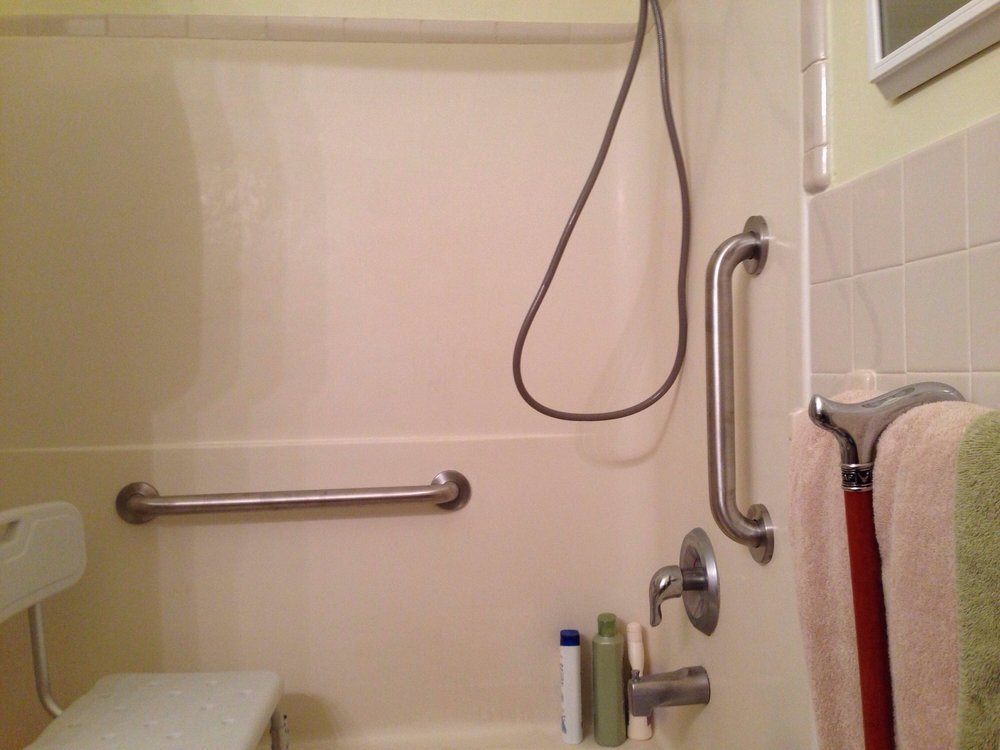
When choosing grab bars, look for models that are ADA-compliant and professionally installed for maximum security. Placement is key—bars should be positioned where support is needed most, such as beside the toilet and inside the shower. For a comprehensive overview, see this room-by-room guide to grab bars.
Adapting Showers and Bathtubs for Mobility
Traditional tubs and showers often have high thresholds that are difficult or impossible to cross in a wheelchair. Converting to a roll-in or walk-in shower with a low or no threshold is one of the most impactful upgrades for accessibility. Non-slip tiles, built-in benches, and handheld showerheads further enhance safety and convenience.
For those who prefer a bathtub, consider models with side doors or transfer benches. Always ensure that water controls are within easy reach and that the floor remains dry to prevent slips.

Toilets and Sinks: Making Daily Tasks Easier
Standard toilets are often too low for easy transfers from a wheelchair. Installing a raised toilet or adding a thick seat cushion can help. Pair these with sturdy toilet safety rails for extra support. Sinks should be mounted at a height that allows users to roll underneath, with lever-style faucets that are easy to operate with limited dexterity.
Accessible vanities and storage solutions also make a difference. Keep toiletries and supplies within arm’s reach, and avoid under-sink cabinets that block wheelchair access. For more ideas on adapting your space, visit our post on retirement home safety modifications.
Additional Tips for a Safer, More Accessible Bathroom
- Lighting: Bright, glare-free lighting helps prevent accidents and makes it easier to see obstacles.
- Non-Slip Mats: Place mats with rubber backing in front of the sink, toilet, and shower to reduce slipping hazards.
- Door Hardware: Replace knobs with lever handles for easier operation.
- Emergency Alert Systems: Consider installing a waterproof call button or alarm for added peace of mind.
Technology can also play a role in improving bathroom safety. Explore our guide to bathroom assistance technology for elderly for more on smart solutions.
Choosing the Right Products and Professional Help
When selecting products for an accessible bathroom, prioritize quality, durability, and ease of use. Look for ADA-compliant fixtures and consult with occupational therapists or certified aging-in-place specialists for personalized recommendations. Professional installation is often necessary for grab bars, roll-in showers, and other structural changes to ensure safety and code compliance.
Don’t hesitate to seek expert advice—an experienced contractor can help you navigate the process and avoid common pitfalls. For those comparing different mobility aids, our article on support rails vs other mobility aids provides helpful insights.
FAQ: Common Questions About Accessible Bathrooms
What are the minimum requirements for a wheelchair-accessible bathroom?
At a minimum, an accessible bathroom should have a doorway at least 32 inches wide, 60 inches of turning space, a roll-in shower or accessible tub, grab bars, and fixtures that can be reached from a seated position. Non-slip flooring and adequate lighting are also essential.
How do I choose the best grab bars for my bathroom?
Look for grab bars that are ADA-compliant, made of durable materials, and professionally installed into wall studs. Placement should be based on the user’s specific needs—typically near the toilet, shower, and tub. For a detailed overview, see this room-by-room guide to grab bars.
Can I make my bathroom more accessible without a full remodel?
Yes, there are many ways to improve accessibility without major renovations. Installing grab bars, adding a raised toilet seat, using a shower chair, and rearranging storage can all make a significant difference. For more tips, see our post on senior bathroom organization tips.
Are there financial assistance programs for bathroom modifications?
Some local and national programs offer grants or low-interest loans for home modifications. Check with your local government, disability organizations, or insurance provider to see what options are available in your area.
Improving bathroom accessibility for wheelchair users is a worthwhile investment in safety, independence, and peace of mind. With thoughtful planning and the right products, anyone can create a bathroom that meets the needs of all users.