
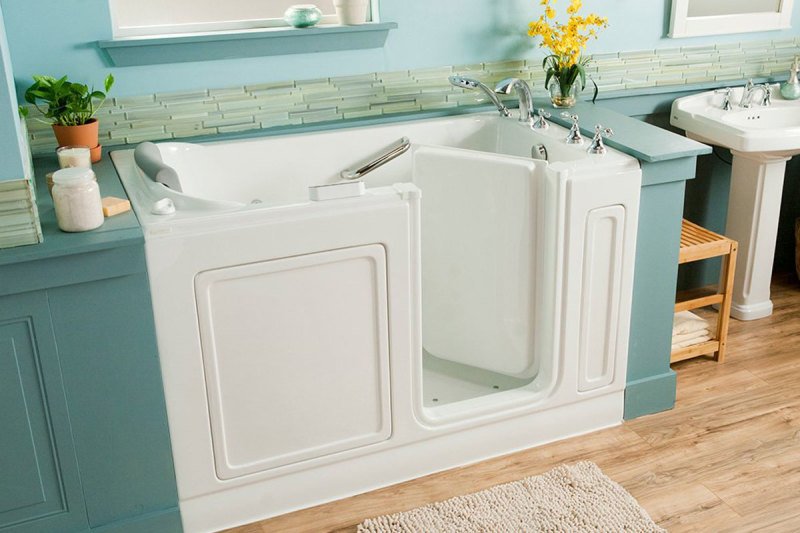
Choosing the best walk-in tub door orientation options is a key decision when upgrading your bathroom for safety, accessibility, and comfort. The direction your tub door swings—left-hand or right-hand—affects not only installation but also daily use, especially for those with mobility challenges. Understanding the differences and what to consider can help you select the most practical and safe solution for your home.
Many homeowners focus on features like jets, grab bars, and anti-slip flooring, but the direction of the door swing is just as important. The right orientation can make entering and exiting the tub easier, reduce the risk of slips, and ensure the tub fits perfectly within your bathroom layout. Before you decide, it’s helpful to learn about the main factors that influence this choice and how to match the orientation to your needs and space.
For more on keeping your walk-in tub safe and functional, you might also want to read about how to check walk-in tub electrical grounding for added peace of mind.
Understanding Left-Hand and Right-Hand Door Swings
The terms “left-hand” and “right-hand” refer to the direction the door opens when you face the tub. If the hinges are on the left and the door swings open to your left, it’s a left-hand door. If the hinges are on the right and the door swings open to your right, it’s a right-hand door. This orientation is crucial for both safety and convenience, especially in bathrooms with limited space or specific accessibility needs.
Manufacturers typically offer both options, but the best choice depends on your bathroom’s layout, the location of fixtures, and the user’s dominant hand or mobility requirements. Some tubs also feature outward- or inward-swinging doors, which can further impact the ideal orientation for your space.
Key Factors When Choosing Door Orientation
When evaluating walk-in tub door orientation options, consider these important factors:
- Bathroom Layout: The placement of walls, vanities, toilets, and other fixtures can dictate which orientation is more practical. For example, if a toilet is on the right side of the tub, a left-hand door may provide easier access.
- User Mobility: The primary user’s dominant hand, mobility limitations, and transfer method (from a wheelchair or walker) should influence the decision. Some users find it easier to maneuver with a door that opens toward their stronger side.
- Safety and Accessibility: The goal is to minimize the risk of tripping or falling. The right door orientation allows for a smoother entry and exit, especially for those with limited movement or balance issues.
- Plumbing and Drain Location: The position of plumbing lines and drains may affect which side is more feasible for the door swing, especially during installation or remodeling.
Benefits of Left-Hand and Right-Hand Doors
Both left-hand and right-hand doors offer distinct advantages, depending on your unique situation. Here’s a closer look at the benefits of each:
| Left-Hand Door | Right-Hand Door |
|---|---|
| Fits bathrooms with obstructions on the right side | Ideal for layouts with left-side obstacles |
| May be easier for left-handed users | Often preferred by right-handed users |
| Can simplify transfer from left-side entry points | Works well for right-side transfers |
Ultimately, the best orientation is the one that aligns with your bathroom’s layout and the user’s comfort and safety needs.
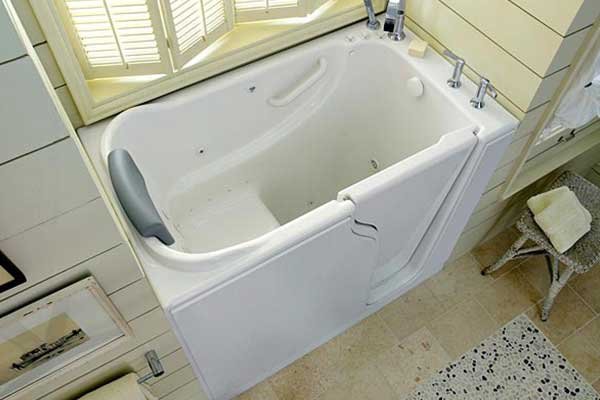
Installation Considerations for Door Orientation
Proper installation is essential for maximizing the benefits of your chosen door orientation. Here are some installation tips to keep in mind:
- Measure Carefully: Double-check the available space on both sides of the tub to ensure the door can open fully without hitting any obstacles.
- Account for Accessibility Aids: If you use grab bars, transfer benches, or other aids, make sure the door orientation allows for easy access to these features.
- Consult a Professional: A licensed installer can help you determine the best orientation based on your plumbing, bathroom layout, and personal needs.
For those interested in additional safety features, learning about walk-in tub suction safety features can further enhance your bathing experience.
Comparing Inward vs. Outward Swinging Doors
In addition to left- and right-hand options, walk-in tubs may have doors that swing inward or outward. Each style has its own set of pros and cons:
- Inward-Swinging Doors: These are common and require less clearance in the bathroom. The water pressure helps seal the door, reducing the risk of leaks. However, inward doors may be harder to open in an emergency if the tub is full.
- Outward-Swinging Doors: These are easier for users with mobility aids or wheelchairs, as they don’t require stepping around the door. They need more space in the bathroom and may require a stronger seal to prevent leaks.
When choosing between inward and outward swings, consider both the available space and the user’s ability to maneuver safely.
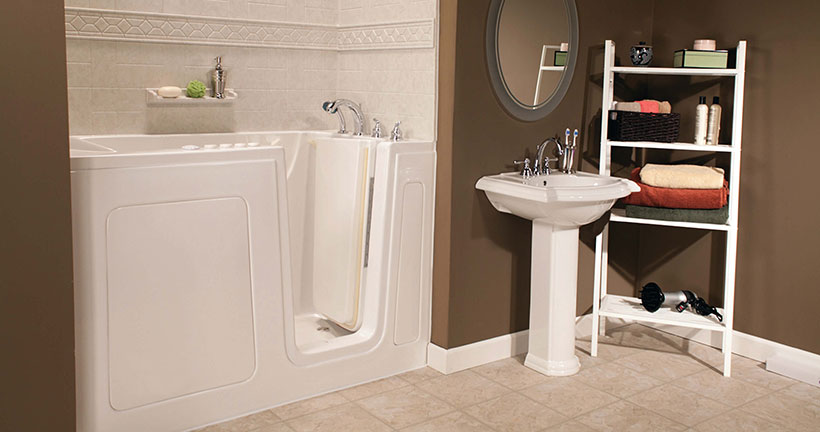
Additional Features to Consider
While the direction of the door is a primary concern, don’t overlook other features that can enhance your walk-in tub experience:
- Jet Systems: Hydrotherapy jets can improve circulation and relaxation. For more information, see the article on walk-in tub foot massage jet benefits.
- Non-Slip Surfaces: Safety flooring and textured surfaces reduce the risk of slipping when entering or exiting the tub.
- Grab Bars and Seating: Built-in grab bars and comfortable seating are essential for stability and support.
- Easy-to-Reach Controls: Controls should be accessible from a seated position, regardless of door orientation.
Upgrading your bathroom with a walk-in tub can also increase your home’s value and provide peace of mind. For more insights on the benefits of these upgrades, check out this comprehensive guide to bathroom upgrades and walk-in tubs.
Making the Right Choice for Your Home
Deciding between left-hand and right-hand door swings is a personal choice that depends on your bathroom’s configuration and your specific needs. Take time to measure your space, consider the user’s mobility, and consult with professionals if needed. A well-chosen door orientation can make daily bathing safer and more comfortable, especially for seniors or anyone with limited mobility.
Remember to review all features and options before making a final decision. If you encounter issues with your tub, such as noise or vibration, resources like how to troubleshoot walk-in tub jet noise can be helpful for ongoing maintenance.
Frequently Asked Questions
How do I determine if I need a left-hand or right-hand walk-in tub door?
Stand facing the location where the tub will be installed. If you want the door to open toward your left, choose a left-hand door; if you prefer it to open to your right, select a right-hand door. Consider obstacles, user preference, and ease of entry when making your decision.
Are there safety differences between left-hand and right-hand door orientations?
The safety level is generally the same, provided the door opens into a clear, unobstructed space. The most important factor is that the user can enter and exit the tub comfortably and securely, without tripping hazards or tight squeezes.
Can walk-in tubs be customized for unique bathroom layouts?
Yes, many manufacturers offer customization options for door orientation, size, and additional features. Always measure your space carefully and consult with a professional installer to ensure the best fit and function for your needs.