
Proper illumination is one of the most effective ways to reduce risks in spaces where slips, trips, and accidents are more likely to occur. Whether you’re concerned about staircases, bathrooms, garages, or outdoor walkways, choosing the right lighting for hazardous areas can make a significant difference in home safety. This article explores practical solutions, product types, and placement strategies to help you create a safer living environment for everyone in your household.
Many homeowners focus on aesthetics when selecting fixtures, but in high-risk zones, functionality and visibility should come first. The right lighting not only prevents accidents but also makes daily routines easier for people of all ages and abilities. For those interested in other home safety upgrades, you might also want to learn about how to check walk-in tub electrical grounding for added peace of mind.
Why Lighting Matters in High-Risk Zones
Accidents often happen in poorly lit spaces. Areas such as stairways, entryways, basements, bathrooms, and garages are particularly prone to hazards. Insufficient illumination can hide obstacles, water spills, or uneven surfaces, increasing the risk of falls and injuries. By installing lighting for hazardous areas, you can:
- Improve visibility for all ages, especially at night or during power outages.
- Highlight potential dangers such as steps, wet floors, or sharp corners.
- Support independent living for seniors or those with mobility challenges.
- Enhance security by deterring intruders and making outdoor areas safer to navigate.
Best Types of Fixtures for Risk-Prone Spaces
Not all lights are created equal. When selecting fixtures for hazardous locations, consider the following options for maximum safety and reliability:
- LED Recessed Lights: These provide even, glare-free illumination and are ideal for hallways, stairs, and bathrooms. They’re energy-efficient and have a long lifespan.
- Motion Sensor Night Lights: Perfect for bedrooms, hallways, and bathrooms, these lights activate automatically when movement is detected, reducing the chance of stumbling in the dark.
- Bollard and Pathway Lights: For outdoor walkways and garden paths, bollard lights help guide the way and prevent trips or falls.
- Wall-Mounted Sconces: These can be installed at eye level to reduce shadows and brighten up entryways or stairwells.
- Task Lighting: In kitchens, garages, and workshops, focused task lights make it easier to see what you’re doing and avoid accidents with tools or appliances.
For a deeper dive into fixture types and their uses, check out this overview of home lighting categories.
Key Areas That Require Special Attention
Some parts of the home are more prone to hazards than others. Here’s how to address the most common trouble spots with effective lighting solutions:
Staircases and Hallways
Stairs are a leading cause of household injuries. Install lighting for hazardous areas such as bright overhead fixtures or LED strips along the handrail. Consider motion-activated lights for added convenience at night. Ensure switches are accessible at both the top and bottom of the stairs.
Bathrooms and Wet Zones
Water and slippery surfaces make bathrooms especially risky. Use waterproof, sealed fixtures rated for damp environments. Recessed ceiling lights and illuminated mirrors can reduce shadows, while night lights help with late-night trips. For more on bathroom safety, see our article on walk-in tub suction safety features.
Garages, Basements, and Utility Rooms
These spaces often have uneven floors and limited natural light. Use bright, overhead fixtures and supplement with portable work lights or under-cabinet LEDs. Ensure all switches are easy to reach and consider motion sensors for hands-free operation.
Outdoor Lighting for Walkways and Entrances
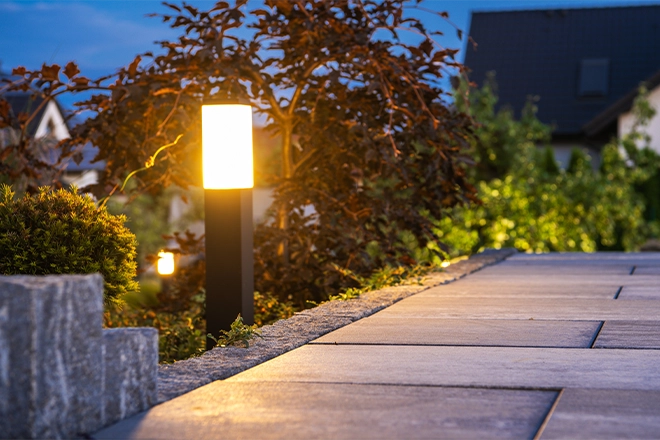
Exterior paths, steps, and entryways are common sites for slips and falls, especially in wet or icy conditions. Use weatherproof fixtures such as bollard lights, pathway markers, and motion-activated floodlights to ensure safe passage after dark. Properly placed outdoor lighting can also deter trespassers and improve overall security.

Tips for Choosing and Installing Safe Lighting
- Prioritize brightness: Select bulbs with adequate lumens for the size and function of the space. Too little light can be as dangerous as too much glare.
- Opt for cool or daylight color temperatures: These provide clearer visibility than warm, yellowish lights, especially in work areas.
- Use dimmers and timers: Adjustable controls allow you to tailor lighting levels for different times of day and activities.
- Install switches at accessible heights: This is especially important for children, seniors, or those with limited mobility.
- Regularly check and maintain fixtures: Replace burnt-out bulbs promptly and clean covers to prevent dust buildup, which can reduce brightness.
Integrating Lighting with Other Safety Features
Lighting is just one part of a comprehensive home safety plan. Combine it with non-slip mats, handrails, and clear signage in high-risk zones. For those with walk-in tubs or showers, consider learning about the benefits of microfiber towels for walk-in showers to further reduce slip risks and maintain cleanliness.
Frequently Asked Questions
What is the best type of lighting for stairways?
For stairways, use bright, evenly distributed fixtures such as LED recessed lights or wall-mounted sconces. Motion-activated night lights are also helpful for nighttime use. Ensure that both the top and bottom of the stairs are well lit and that switches are easily accessible.
How can I make my bathroom safer with lighting?
Choose waterproof, sealed fixtures rated for damp locations. Install overhead lights and illuminated mirrors to reduce shadows. Consider adding motion sensor night lights for safe navigation at night, and keep switches within easy reach.
Are motion sensor lights effective for hazardous areas?
Yes, motion sensor lights are highly effective in reducing accidents in areas like hallways, bathrooms, and outdoor paths. They automatically illuminate when movement is detected, ensuring that you never have to fumble for a switch in the dark.
How often should I check my lighting fixtures for safety?
Inspect all fixtures at least twice a year. Replace bulbs promptly, clean covers, and check for signs of wear or damage, especially in damp or outdoor locations. Regular maintenance ensures that your lighting continues to provide optimal safety.
By focusing on the right lighting for hazardous areas and integrating it with other safety measures, you can significantly reduce the risk of accidents and create a more comfortable, accessible home for everyone.