
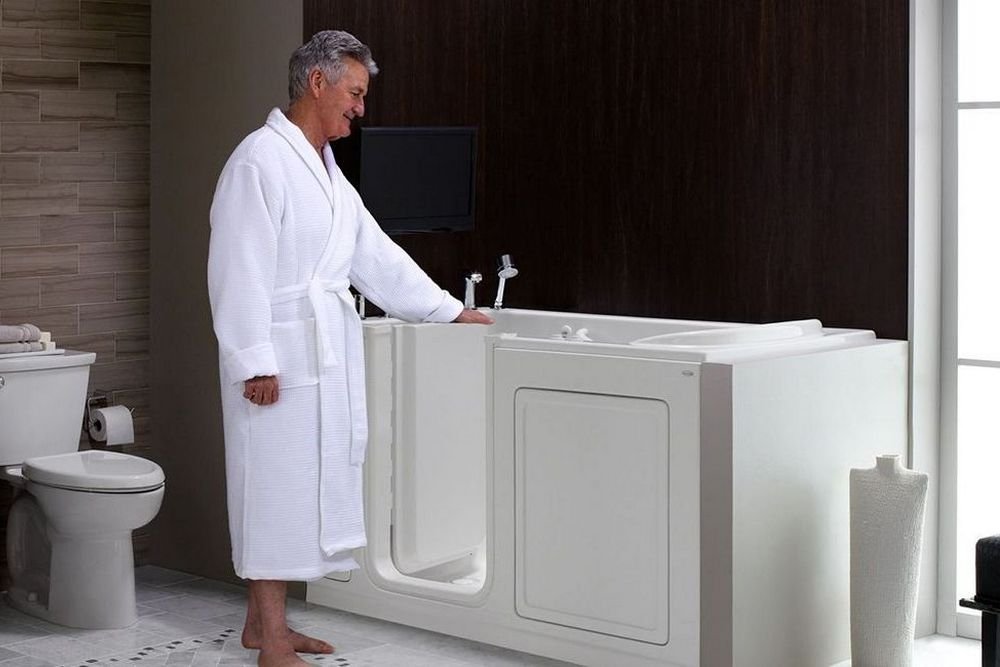
Choosing the right walk-in tub is a significant decision for anyone seeking safety, comfort, and accessibility in their bathroom. For individuals with mobility challenges or those who require additional support, understanding the difference between bariatric and standard walk-in tubs is essential. These two categories of bathtubs are designed with different users in mind, offering unique features, dimensions, and benefits. This article breaks down the key distinctions, helping you determine which type best fits your needs or those of your loved ones.
Before diving into the details, it’s also important to consider related safety features, such as walk-in shower grab bar weight ratings, which can further enhance bathroom accessibility and support.
Understanding Bariatric Walk-In Tubs
Bariatric walk-in tubs are specifically engineered for users who need a higher weight capacity and more spacious bathing area. These tubs are built with reinforced frames, wider doors, and larger seating to accommodate individuals who may find standard tubs restrictive or unsafe. The design prioritizes both comfort and durability, ensuring that users feel secure while entering, exiting, and bathing.
- Weight Capacity: Typically supports 500 pounds or more, compared to the 250–300 pounds of most standard models.
- Seat Width: Offers wider seats (often 24–30 inches) for added comfort and stability.
- Door Size: Features a broader door opening, making transfers easier for those with limited mobility or larger body frames.
- Reinforced Construction: Uses heavy-duty materials and enhanced frame designs to support additional weight.
These features make bariatric tubs a practical solution for users who need extra space and strength in their bathing environment. They are also ideal for caregivers assisting individuals with mobility limitations, as the extra room simplifies the process.
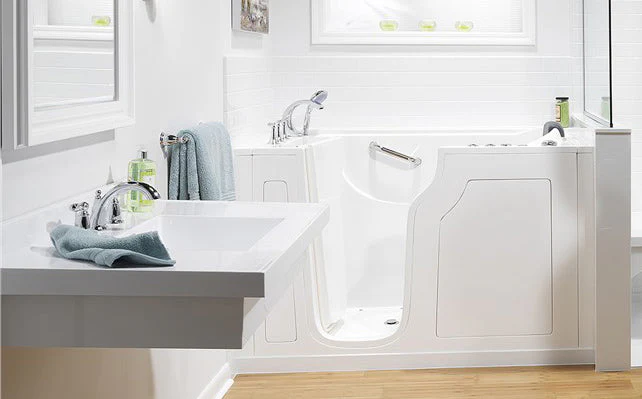
Key Features of Standard Walk-In Tubs
Standard walk-in tubs are designed for the general population, focusing on safety and ease of use for seniors and those with mild to moderate mobility issues. While they may not offer the same spaciousness as bariatric models, they still provide essential accessibility features.
- Compact Design: Fits into most existing bathroom spaces without requiring major renovations.
- Standard Weight Limit: Usually accommodates up to 250–300 pounds.
- Safety Features: Includes low-entry thresholds, slip-resistant floors, and built-in grab bars.
- Therapeutic Options: Many models offer hydrotherapy jets, heated seating, and other wellness features.
For many users, a standard walk-in tub provides the right balance of accessibility and comfort without the need for the additional space and reinforcement found in bariatric options.
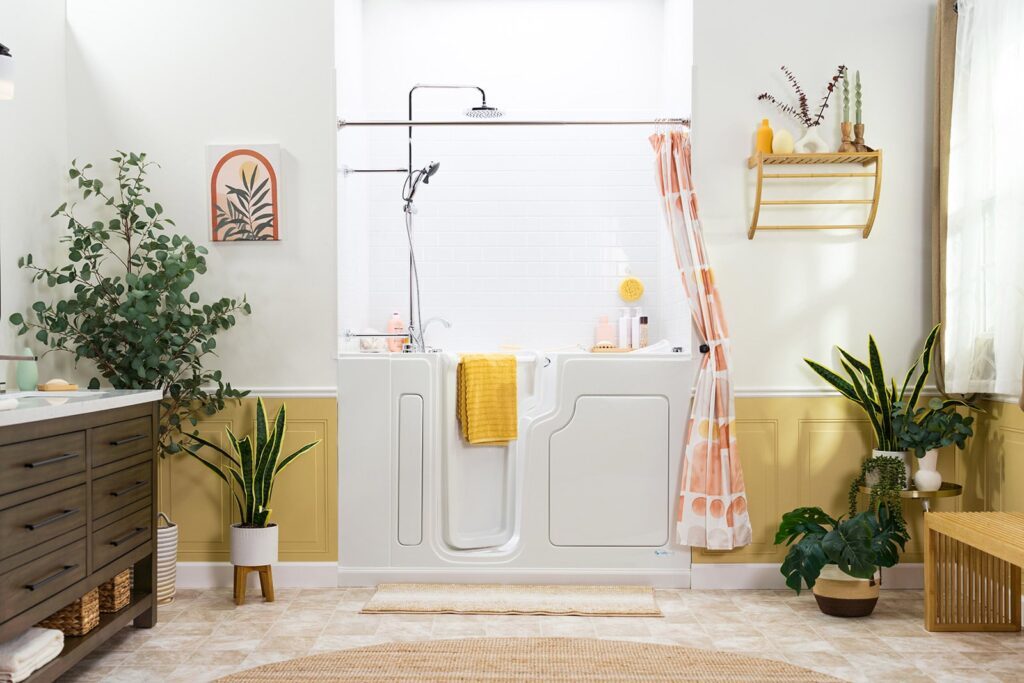
Comparing Bariatric and Standard Walk-In Tub Designs
When evaluating the difference between bariatric and standard walk-in tubs, the most noticeable contrasts are in size, support, and user experience. Bariatric tubs are larger and sturdier, while standard models are more compact and suited for average-sized individuals.
| Feature | Bariatric Walk-In Tub | Standard Walk-In Tub |
|---|---|---|
| Weight Capacity | 500+ lbs | 250–300 lbs |
| Seat Width | 24–30 inches | 17–21 inches |
| Door Width | Wider, easier access | Standard width |
| Installation Space | Requires more room | Fits most bathrooms |
| Frame Construction | Reinforced, heavy-duty | Standard support |
For those interested in the technical aspects of tub construction, learning about walk-in tub frame construction types can provide further insight into how these products are built to handle different needs.
Who Should Choose a Bariatric or Standard Walk-In Tub?
Selecting between these two types depends on the user’s physical requirements, bathroom space, and personal preferences. Bariatric models are ideal for individuals who need extra support, have a larger body frame, or require assistance from caregivers. Standard walk-in tubs are suitable for those who prioritize a compact fit and have average mobility needs.
- Bariatric Tubs: Best for users over 300 pounds, those needing more space, or anyone seeking maximum stability.
- Standard Tubs: Well-suited for most seniors, people with mild mobility concerns, and homeowners with limited bathroom space.
Consulting with a professional installer or occupational therapist can help determine the most appropriate option for your situation.
Additional Considerations When Choosing a Walk-In Tub
Beyond size and weight capacity, there are other important factors to consider:
- Warranty: Review the details of your tub’s warranty. For more information, see understanding walk-in tub warranty terms.
- Therapeutic Features: Some tubs offer aromatherapy, hydrotherapy, and heated surfaces. Explore aromatherapy options for walk-in bathtubs for added relaxation.
- Cleaning and Maintenance: Regular cleaning is essential for safety and hygiene. Learn about how to sanitize a walk-in shower for best practices.
- Installation Requirements: Bariatric tubs may require structural modifications due to their size and weight.
- Budget: Bariatric models are typically more expensive due to their reinforced construction and larger dimensions.
For older adults or those with specific accessibility needs, exploring walk-in showers designed for older people can also be a valuable alternative or complement to walk-in tubs.
Frequently Asked Questions
What is the main distinction between bariatric and standard walk-in tubs?
The primary difference lies in size, weight capacity, and construction. Bariatric tubs are built to support higher weights and offer more space, while standard models are designed for average-sized users and fit most bathrooms.
Do bariatric walk-in tubs require special installation?
Yes, due to their larger size and heavier construction, bariatric tubs may need additional floor reinforcement or modifications to the bathroom layout. It’s important to consult with a qualified installer before purchase.
Are there therapeutic features available in both types?
Many bariatric and standard walk-in tubs offer similar therapeutic options, such as hydrotherapy jets, heated seating, and aromatherapy. However, always check the specific model for available features.
How do I maintain and clean my walk-in tub?
Regular cleaning with non-abrasive products is recommended. For detailed instructions, refer to guides on how to sanitize a walk-in shower and adapt the advice to your tub’s materials.
Is a bariatric tub more expensive than a standard model?
Generally, yes. The reinforced construction and larger size of bariatric tubs contribute to higher costs compared to standard walk-in tubs.
Understanding the difference between bariatric and standard walk-in tubs is key to making an informed choice for your home. By considering your unique needs, space, and budget, you can select a tub that ensures safety, comfort, and long-term satisfaction.